

Overview
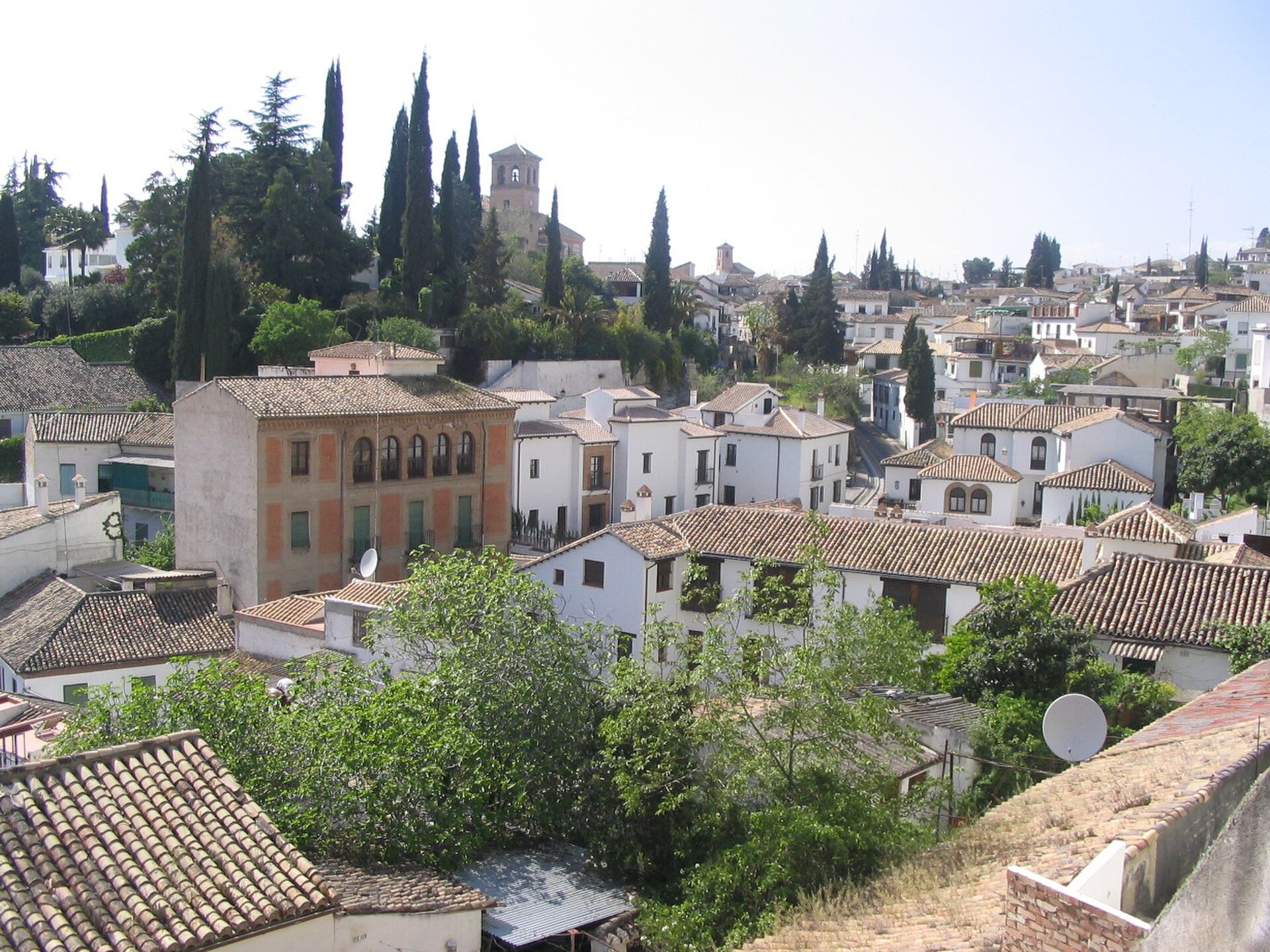
Sprawling across the hill facing the Alhambra, the Albaicín is Granada's oldest continuously inhabited neighborhood and one of the best-preserved medieval Moorish quarters anywhere in Europe. Its tangled labyrinth of cobblestone alleys, whitewashed houses, and hidden plazas earned UNESCO World Heritage status in 1994 alongside the Alhambra itself. The neighborhood traces its roots to the Zirid dynasty of the 11th century, and waves of Moorish refugees from reconquered cities swelled its population over the following centuries, leaving behind an extraordinary density of historic architecture. Walking here feels like stepping through a living archaeological record of Islamic, Christian, and Roma cultural layers, all compressed within a few steep hillside blocks. Discover more about Granada or browse our complete Spain travel guide.
Local Life
Navigate the maze: The neighborhood was deliberately designed to confuse invaders — even Google Maps struggles with its medieval street plan. Access private carmenes: Some guides have relationships with homeowners who open their walled garden estates for small groups. Moorish history in context: A guide connects the cisterns, walls, and gate remnants into a coherent picture of daily life in medieval al-Andalus. Local knowledge: The best tea houses, authentic restaurants, and artisan workshops aren't on tourist maps — guides know which doors to knock on. Cultural sensitivity: The neighborhood's Roma community and Sacromonte cave dwellings have complex histories that deserve thoughtful explanation
Walking Routes
Mirador de San Nicolás: The postcard viewpoint where the entire Alhambra stretches before you with snow-capped Sierra Nevada peaks behind — arguably the most famous view in all of Spain. Plaza Larga: The neighborhood's social heart, where locals gather at cafe terraces beneath a medieval archway and a lively Saturday market fills the square. Calle Calderería Nueva: Granada's "tea street" lined with Moroccan-style tea houses, hookah lounges, and shops selling leather goods, lamps, and spices from across North Africa. Arab baths: Several hammams offer traditional bathing rituals with hot and cold pools, steam rooms, and massage in beautifully tiled surroundings. Hidden carmenes: Walled garden houses unique to Granada — plain whitewashed exteriors concealing elaborate courtyards with fountains, fruit trees, and cascading flowers. Church of San Salvador: Built directly on the foundations of the neighborhood's main mosque, with the original courtyard and cistern still visible
When to Visit
Access: Open 24 hours — it's a living neighborhood with residents, shops, and restaurants. Best time for views: Sunset at Mirador de San Nicolás (arrive 30 minutes early to secure a spot). Best time for walking: Morning (9-11 AM) when streets are quiet and temperatures are mild. Market day: Saturday morning at Plaza Larga features a small but lively local market. Avoid: Midday in summer when the steep, shadeless streets become punishing in Granada's heat
Admission and Costs
Walking the neighborhood: Free (public streets and plazas). Guided walking tour: €12-25 per person (1.5-3 hours, groups of 8-15). Private guide: €80-150 for up to 6 people (2-3 hours). Arab baths (hammam): €30-50 per person including massage, or €15-20 bath only. Tea house experience: €3-6 per person for Moroccan-style mint tea with pastries. Flamenco show (cave venue): €20-35 per person in Sacromonte, often combined with Albaicín tours
Tips for Visitors
Wear proper footwear: The cobblestones are polished smooth and become slippery when wet — flat shoes with good grip are essential. Prepare for steep climbs: The walk from Plaza Nueva to Mirador de San Nicolás gains significant elevation; take it slowly and enjoy the views on the way up. Keep valuables secure: Petty pickpocketing can occur, particularly around Mirador de San Nicolás at sunset when crowds gather. Respect residents: This is a real neighborhood — keep noise down, don't peer into private homes, and ask before photographing locals. Combine with Sacromonte: The adjacent cave neighborhood is a natural extension of an Albaicín walk and home to Granada's flamenco traditions. Eat where locals eat: Skip the viewpoint restaurants and look for places tucked away on side streets where menus are handwritten and portions are generous