
.jpg)
What makes Lisbon worth visiting?
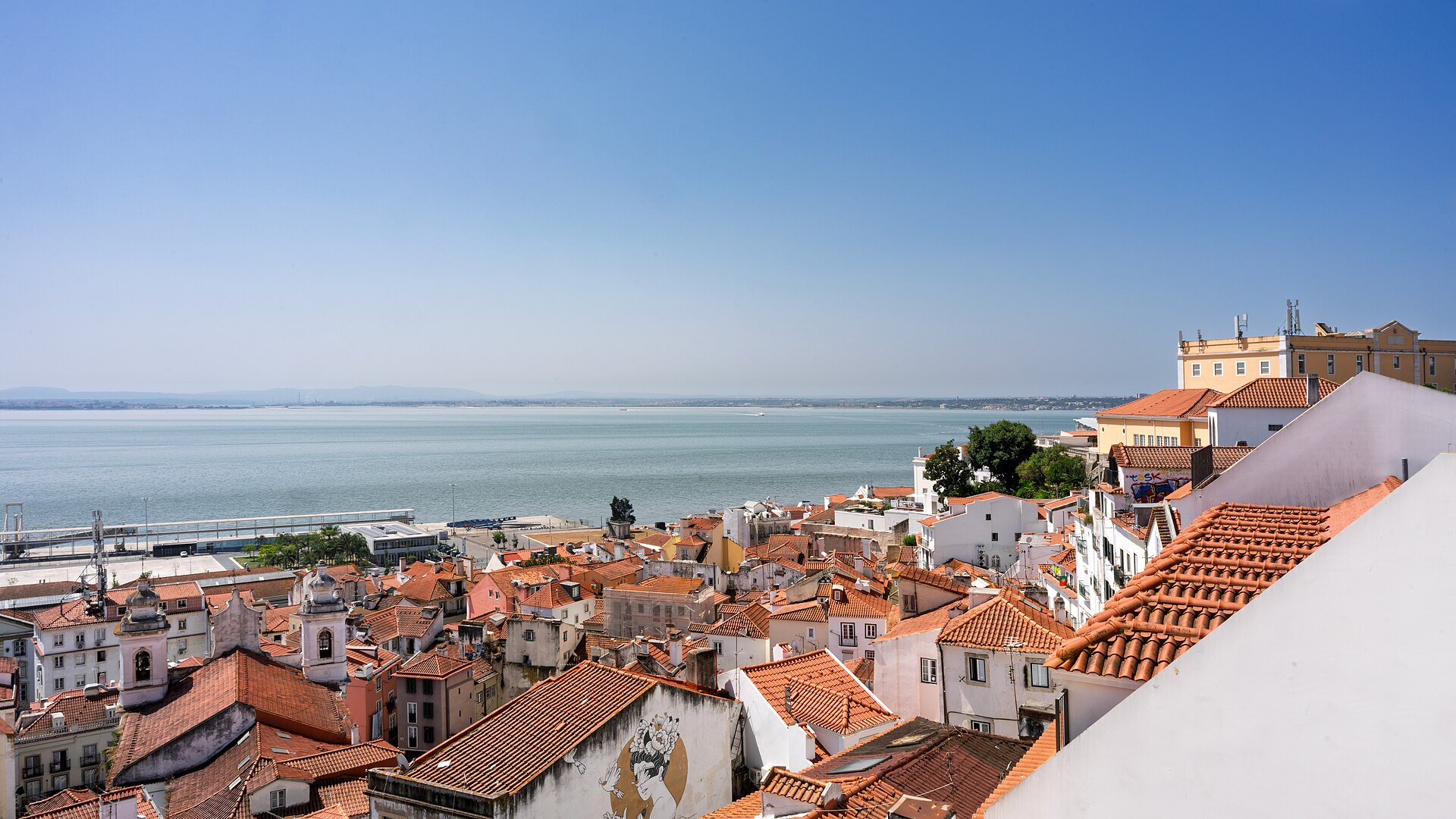
Lisbon sprawls across seven steep hills where terracotta rooftops cascade down to the wide Tagus estuary. It is one of Europe's oldest capitals — predating Rome, Paris, and London — and that layered history is visible everywhere, from the Phoenician-era foundations beneath Alfama's streets to the Manueline stonework of Jerónimos Monastery. The 1755 earthquake leveled much of the city, but the Marquis of Pombal rebuilt it on a rational grid in Baixa, creating an unlikely contrast with the Moorish-era winding alleys just uphill. Today Lisbon blends crumbling grandeur with street art, sardine festivals with Michelin-starred seafood, and fado melancholy with all-night rooftop bars in Bairro Alto. The yellow tram 28 rattles through its narrowest streets, miradouros (viewpoints) punctuate every neighborhood, and the soft Atlantic light gives the city's azulejo-covered facades a glow that photographers chase from dawn to dusk.
What are the top attractions in Lisbon?
- Belém Tower at golden hour — The fortified tower catches sunset light reflected off the Tagus estuary.
- Fado in Alfama — Hear Portugal's soul music in a tiny tavern where the singer stands arm's length away.
- Jerónimos Monastery cloisters — Manueline stone carved into ropes, sea creatures, and exotic plants from newly discovered lands.
- São Jorge Castle ramparts — Walk the Moorish walls for a 360-degree panorama from the Ponte 25 de Abril to the Alfama rooftops.
- Tram 28 — The vintage yellow tram threads through Lisbon's steepest, narrowest streets — ride it with a guide who knows when to hop on and off.
- Pastel de nata trail — Guides lead tastings beyond the famous Pastéis de Belém to lesser-known bakeries with equally exceptional custard tarts.
Alfama
Lisbon's soul district — fado, Moorish alleys & hilltop miradouros
🏛️Belém Tower
Manueline fortress at the edge of the known world
⛪Jerónimos Monastery
Manueline glory in stone — where Portugal celebrated its maritime conquests
🏰São Jorge Castle
Moorish ramparts with the finest panorama in Lisbon
How much does a tour guide cost in Lisbon?
Lisbon has a thriving guide scene — here's how to find the right fit:
| Tour Type | Price | Details |
|---|---|---|
| Group Walking Tours | €10-20 | Per person, 2-3 hours |
| Private Half-Day | €100-200 | Up to 6 people, 4 hours |
| Private Full-Day | €200-400 | Up to 6 people, 8 hours |
| Fado & Food Evening | €60-120 | Per person, includes tastings |
When is the best time to visit Lisbon?
- March-May — Mild weather, blooming jacarandas, manageable crowds before summer rush.
- September-October — Warm evenings, festival season winding down, golden light across the Tagus.
- Early mornings — Hit Belém Tower and Jerónimos Monastery at opening to beat coach groups.
- Avoid July-August — For sightseeing (35°C+ on shadeless hilltops), though evenings stay lively.
How do you get around Lisbon?
- Comfortable shoes are non-negotiable — Lisbon's cobblestoned hills are steep and slippery — flat, grippy soles only.
- Tram 28 pickpockets — The famous route attracts crowds and skilled thieves — a guide helps you ride safely or suggests alternatives.
- Lisboa Card — Covers public transport, trams, and free entry to 39 museums — guides can advise whether the 24/48/72-hour pass suits your plans.
- Tipping — 10% for private guides, €3-5 per person for group tours if satisfied.
- Ginjinha — Cherry liqueur served in chocolate cups at hole-in-the-wall bars — a guide knows the best spots in Rossio.
- Day trip to Sintra — Sintra is 40 minutes by train — combine both in a well-planned guided itinerary.
Frequently Asked Questions
What is the best time to visit Lisbon?
March-May: Mild weather, blooming jacarandas, manageable crowds before summer rush. September-October: Warm evenings, festival season winding down, golden light across the Tagus.
How much does a tour guide cost in Lisbon?
Group Walking Tours: €10-20 (Per person, 2-3 hours). Private Half-Day: €100-200 (Up to 6 people, 4 hours). Private Full-Day: €200-400 (Up to 6 people, 8 hours).
How do you get around Lisbon?
Lisbon has metro (4 lines), iconic trams (especially Tram 28), buses, funiculars for the hills, and ferries across the Tagus.