

Overview
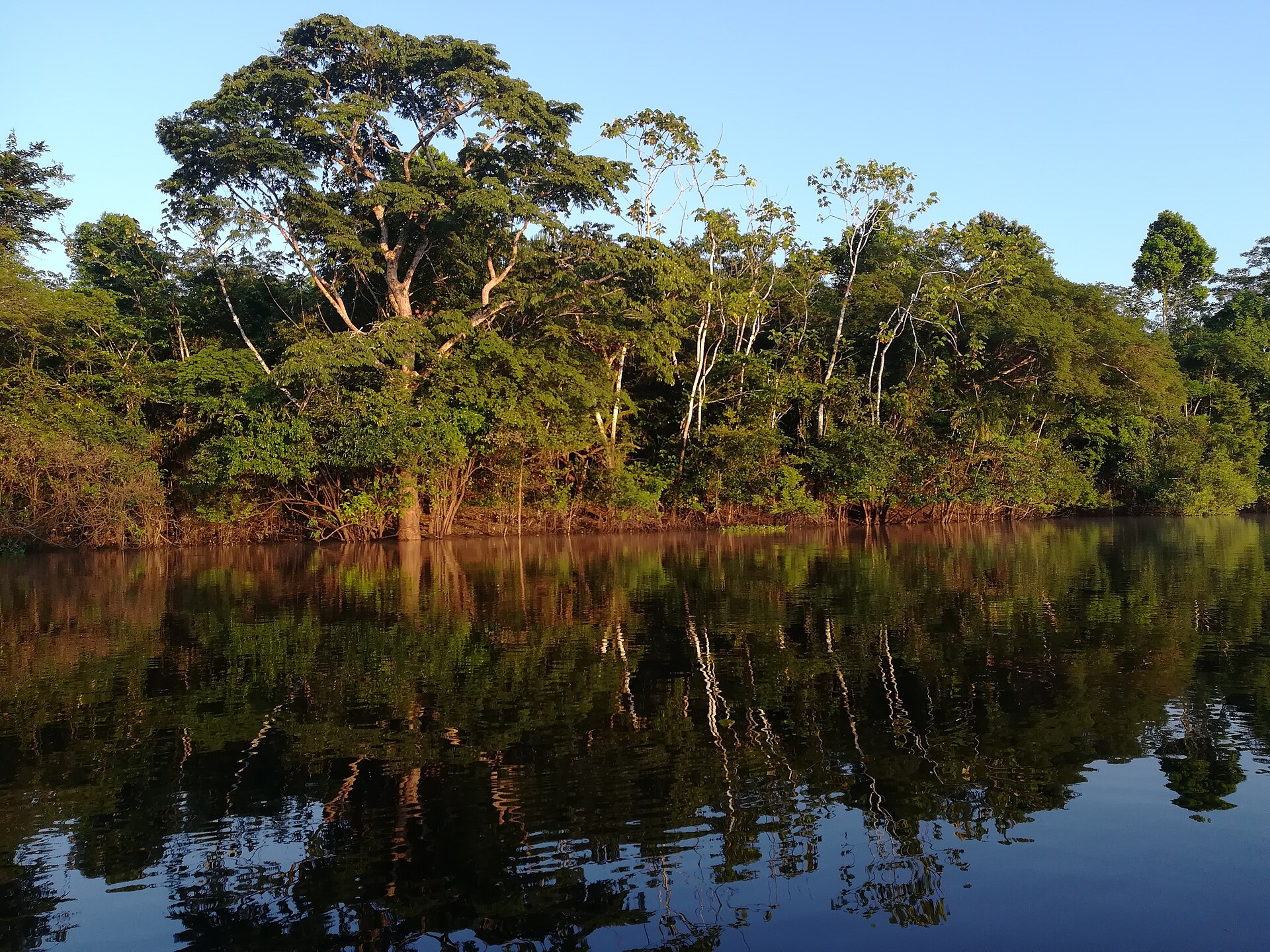
The Pacaya-Samiria National Reserve covers 2.08 million hectares of lowland Amazon rainforest — making it the largest protected area in Peru and one of the largest in the entire Amazon basin. Located between the Marañón and Ucayali rivers southwest of Iquitos, the reserve protects a vast expanse of seasonally flooded forest (várzea), blackwater lakes, and meandering river channels that sustain an extraordinary concentration of wildlife. Giant river otters, pink and grey river dolphins, black caimans, hundreds of species of macaws and parrots, primates including the rare uakari monkey, and the colossal paiche fish (which can grow over two meters long) all thrive here in one of the most biodiverse protected areas on Earth. Visiting Pacaya-Samiria requires commitment: the reserve's entrance is a full day's boat ride from Iquitos, and meaningful exploration demands a minimum of 4-5 days in the field. Expeditions travel by motorized canoe during the day and camp at basic ranger stations or pitch tents along the riverbank at night. During the high-water season (December-May), the forest floods to a depth of several meters, allowing canoes to glide between treetops in an otherworldly experience unlike anything else in South American travel. Guides for Pacaya-Samiria are typically indigenous or ribereño naturalists who grew up navigating these waterways — their ability to spot wildlife, read the river, and share traditional ecological knowledge is irreplaceable. For shorter Amazon experiences, river cruises from Iquitos can include partial visits to the reserve's outer edges.
Activities
Giant river otters: Families of giant otters — which can reach 1.8 meters — fish and play in the reserve's oxbow lakes, often approaching canoes with curiosity. Pink dolphins: Both pink (bufeo) and grey river dolphins surface frequently in the main channels and flooded forest edges. Flooded forest canoeing: During high water, paddle between the trunks of towering trees in a surreal underwater forest — one of the most unique experiences in Amazon travel. Macaw clay licks: Dawn gatherings of hundreds of macaws at riverside clay deposits create a spectacle of colour and noise. Primate watching: Howler monkeys, squirrel monkeys, and the rare red uakari monkey with its distinctive crimson face. Traditional medicine walks: Indigenous guides identify plants used in traditional Amazonian medicine — a living pharmacology lesson in the forest.
Seasonal Highlights
High-water season from December to May floods the forest to canopy level, allowing canoes to glide between treetops for an otherworldly exploration deep into the reserve — this is the experience that earns Pacaya-Samiria the nickname Selva de los Espejos ("Jungle of Mirrors") as still water reflects the canopy above. Low-water season from June to November concentrates wildlife around shrinking lagoons and exposed sandbars, making animal sightings far easier and more frequent — expect to see dolphins, caimans, and wading birds in far greater density per excursion. Giant river otter breeding season peaks around September, when family groups are most active and vocal in the oxbow lakes. The paiche fishing season (October-February) sees ribereño communities harvesting the world's largest freshwater scaled fish using traditional methods — a sustainable fisheries programme that visitors can observe and support. Bird diversity peaks during the transition months (May-June and October-November) when migratory species swell the resident population.
When to Visit
High water (December-May): Flooded forest canoeing, best for dolphin sightings and deep penetration into the reserve. Low water (June-November): Wildlife concentrates around shrinking water sources — more animal sightings per day, easier fishing, and exposed beaches for camping. Duration: 5-7 days recommended for a meaningful expedition; 3-4 days reaches only the outer zones. Peak: June-September offers the best weather and wildlife density, but books up 2-3 months ahead.
Admission and Costs
Reserve entry permit: S/30 ($8) per person per day — purchased through licensed operators. 5-day guided expedition: S/2,500-4,500 ($675-1,215) per person all-inclusive from Iquitos. 7-day deep expedition: S/4,000-7,000 ($1,080-1,890) per person — reaches the most remote, pristine sections. Luxury cruise into Pacaya-Samiria: S/6,000-12,000+ ($1,620-3,240+) per person for 5-7 day vessel-based expeditions.
Tips for Visitors
Licensed operators only: The reserve requires a licensed operator and guide — independent entry is not permitted. Physical preparation: Long days in canoes, early mornings, and basic camping conditions require reasonable fitness and flexibility. Bring everything: There are no shops once you leave Iquitos — bring enough insect repellent, sunscreen, medications, and batteries for your entire stay. Waterproof everything: Rain is possible any day; a sudden downpour can drench unprotected electronics in seconds. Disconnect mentally: There is no phone signal or internet in the reserve — embrace the disconnection; it's part of the experience. Combine wisely: A Pacaya-Samiria expedition is physically demanding — schedule a rest day in Iquitos afterward, or combine with the less strenuous Pilpintuwasi visit.