
Activities
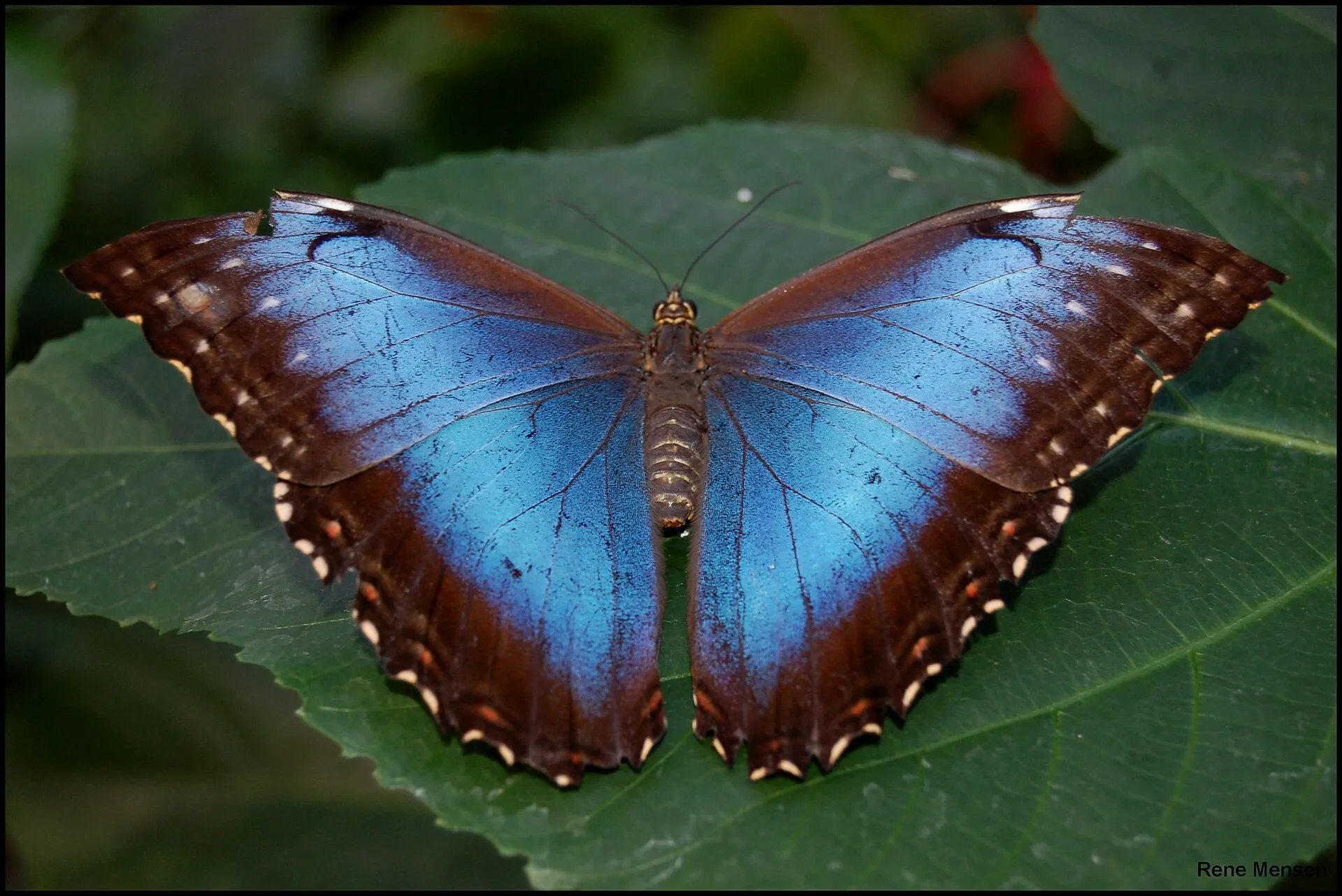
- Walk the butterfly garden — the heart of any visit is a slow wander through the enclosed netted garden, where hundreds of native butterflies — iridescent blue morphos, owl butterflies with their startling eye-spots, and dozens of other species — drift between flowering shrubs and feeding stations of sliced fruit. Wear white or pale clothing and one may settle on you.
- Meet the rescue animals — guides lead you around enclosures housing wildlife confiscated from the illegal pet trade: spider and woolly monkeys, tamarins, macaws, an ocelot, and a rescued jaguar, the largest cat in the Americas.
- Follow the lifecycle trail — displays trace the butterfly's journey from egg through caterpillar and chrysalis to first flight; time your visit well and you may watch an adult emerge from its pupa and pump its wings.
- Ride the Nanay River — the 20-minute peque-peque boat trip from Bellavista-Nanay port past fishing villages and forest-lined banks is an activity in itself.
- Frame the best photos — the fruit-feeding stations where morphos gather with wings open, the flowering shrubs, and the dappled light along the garden netting are the most rewarding spots for pictures.
- Learn conservation firsthand — guides explain deforestation and wildlife trafficking, making this one of the best hands-on wildlife encounters near Iquitos, and an easy complement to a Belén Market morning or an Amazon river cruise.
Allow 1–1.5 hours on site.
Seasonal Highlights
Sitting almost on the equator, Pilpintuwasi enjoys warm, humid conditions that keep butterflies on the wing all year-round — there is no truly bad time to come, and mornings (9-11 AM) always deliver the most flight activity as the sun warms the garden. That said, the seasons shape the experience. The drier months of May through September are the sweet spot: calmer water makes the Nanay River boat ride smoother and drier, humidity in the garden feels less oppressive, and clearer skies bring out the full metallic shimmer of the blue morphos' wings. This window also coincides with lower Amazon water levels, so riverbanks and fishing villages along the crossing are more visible. The wetter season from December through March brings heavy afternoon downpours that can churn up the river and make the open-boat crossing rougher, though the rain also fuels lush foliage and abundant flowering plants that butterflies feed on. Whatever the month, plan for a morning visit and pack a light rain layer — equatorial showers arrive quickly in any season. See the Iquitos climate for wider trip planning.
When to Visit
Tuesday–Sunday: 9 AM – 4 PM (closed Mondays). The centre keeps a single daily rhythm, so aim to arrive near opening: mornings from 9–11 AM bring the most flight activity, because butterflies are cold-blooded and only take to the air once the sun has warmed the garden, and the softer early light is also kindest for photography. Plan on 1–1.5 hours on site, plus roughly 20 minutes each way by boat.
Getting there: launches leave from the Bellavista-Nanay port on the northern edge of Iquitos — a short mototaxi ride from the city centre. Shared peque-peque boats run frequently to Padre Cocha, the riverside village where the trail to the farm begins; from the dock it is about a 10-minute walk through the village, which has a few simple comedores and is worth a short stroll. Because the last useful return boats thin out in the afternoon, start early and confirm return times with your boatman before you set off.
Admission and Costs
Entry: S/25 ($7) for adults and S/10 ($2.70) for children, which includes the guided tour of the butterfly house and the rescue animals. The return boat from Iquitos costs S/5–10 ($1.35–2.70) each way on the public peque-peque river transport from Bellavista-Nanay port. A private boat and guide package — round-trip transport with a narrated visit — runs S/80–150 ($22–40) per person and is worth it if you want commentary or travel in a small group. Bring cash in small soles: there are no card facilities at the farm or in the village. Finally, the centre depends heavily on visitor donations to feed and house its rescued animals, so a contribution beyond the entry fee goes directly to the conservation work.
The Case for a Guide
Admission already includes a guided walk, and it is what turns a pretty garden into a genuine lesson in Amazonian ecology. On your own the butterfly house is a blur of colour; with a guide, every species and every enclosure has a story.
- Reading the lifecycle — guides point out eggs on host leaves, feeding caterpillars, and hanging chrysalises, and can often show you an adult drying its wings minutes after emerging.
- Identifying the species — from the blue morpho to owl and Heliconius butterflies, a guide names what you are seeing and explains the mimicry, camouflage, and courtship behind each pattern.
- The rescue stories — every monkey, macaw, ocelot, and the resident jaguar arrived through the illegal pet trade; guides explain how each was confiscated and why release is rarely possible.
- Conservation in context — the same staff connect what you see to the wider pressures of deforestation and trafficking across the Peruvian Amazon.
- Language — most guiding is in Spanish; if you need English, arrange it in advance through your Iquitos operator or a private boat package.
Tips for Visitors
- Come in the morning — butterflies are cold-blooded and most active once the sun warms the garden, so the 9–11 AM window sees far more flight, and the light is better too.
- Dress pale — butterflies are drawn to white and light colours and may settle on you for a delightful photo; strong perfumes and dark clothing tend to keep them away.
- Family-friendly and gentle — this is one of the best Amazon activities for children: accessible, engaging, and not physically demanding. The garden paths and short village walk suit most abilities, though boarding the boat means a step down into an open launch.
- Public boat is fine — the peque-peque launches from Bellavista-Nanay port are cheap and frequent; you only need a private boat if you want narration or a guaranteed schedule.
- Photograph patiently — a fast shutter freezes a blue morpho mid-flight, but the surest shots come from waiting quietly at a fruit-feeding station for one to open its wings; keep flash off near the animals.
- Support the mission — consider a donation beyond your entry fee; the rescue centre runs on a shoestring budget and every contribution helps feed the animals.
- Build the half-day — pair a dawn visit to Belén Market with a late-morning river trip here for a perfect half-day Iquitos itinerary.
Frequently Asked Questions
Is there a better season to visit Pilpintuwasi Butterfly Farm?
The butterfly house operates year-round in the tropical Amazon climate, but May through September during the drier season offers more comfortable boat rides up the Nanay River and slightly less intense humidity in the garden. Butterflies are active throughout the year thanks to consistent equatorial temperatures, though mornings universally produce the most butterfly activity regardless of month. The wetter months from December through March bring heavier downpours that can make the river crossing rougher.
What are the opening hours of Pilpintuwasi Butterfly Farm?
Tuesday-Sunday: 9 AM - 4 PM (closed Mondays). Best: Morning (9-11 AM) when butterflies are most active and the light in the garden is ideal. Duration: 1-1.5 hours at the farm, plus 20 minutes each way by boat.
What do tickets cost at Pilpintuwasi Butterfly Farm?
Entry: S/25 ($7) adults, S/10 ($2.70) children — includes guided tour of the butterfly house and rescue animals. Return boat from Iquitos: S/5-10 (~$1.35-2.70) each way on public river transport from Bellavista port.
How should visitors prepare for Pilpintuwasi Butterfly Farm?
Wear white or pale colours as butterflies may land on you for a delightful photo opportunity. This is one of the best Amazon activities for children — accessible and engaging. Consider a donation beyond your entry fee as the rescue centre operates on a shoestring budget.
How do you get to Pilpintuwasi Butterfly Farm from Iquitos?
Take a mototaxi to the Bellavista-Nanay port on the northern edge of Iquitos, then a shared peque-peque boat (about 20 minutes, S/5-10 each way) up the Nanay River to the village of Padre Cocha. From the village dock it is a short walk of roughly 10 minutes to the farm. Confirm your return boat time with the boatman before setting off, as afternoon departures thin out. Private boat-and-guide packages (S/80-150) handle the whole round trip if you prefer a fixed schedule and narration.
What animals live at Pilpintuwasi besides butterflies?
Beyond the butterfly house, Pilpintuwasi is a rescue centre for wildlife confiscated from the illegal pet trade: woolly and spider monkeys, tamarins, macaws and other parrots, an ocelot, and a rescued jaguar — the largest cat in the Americas. Most of these animals cannot safely be returned to the wild, so the centre gives them lifelong sanctuary, and guides explain each animal's story and the conservation issues behind it.