

Overview
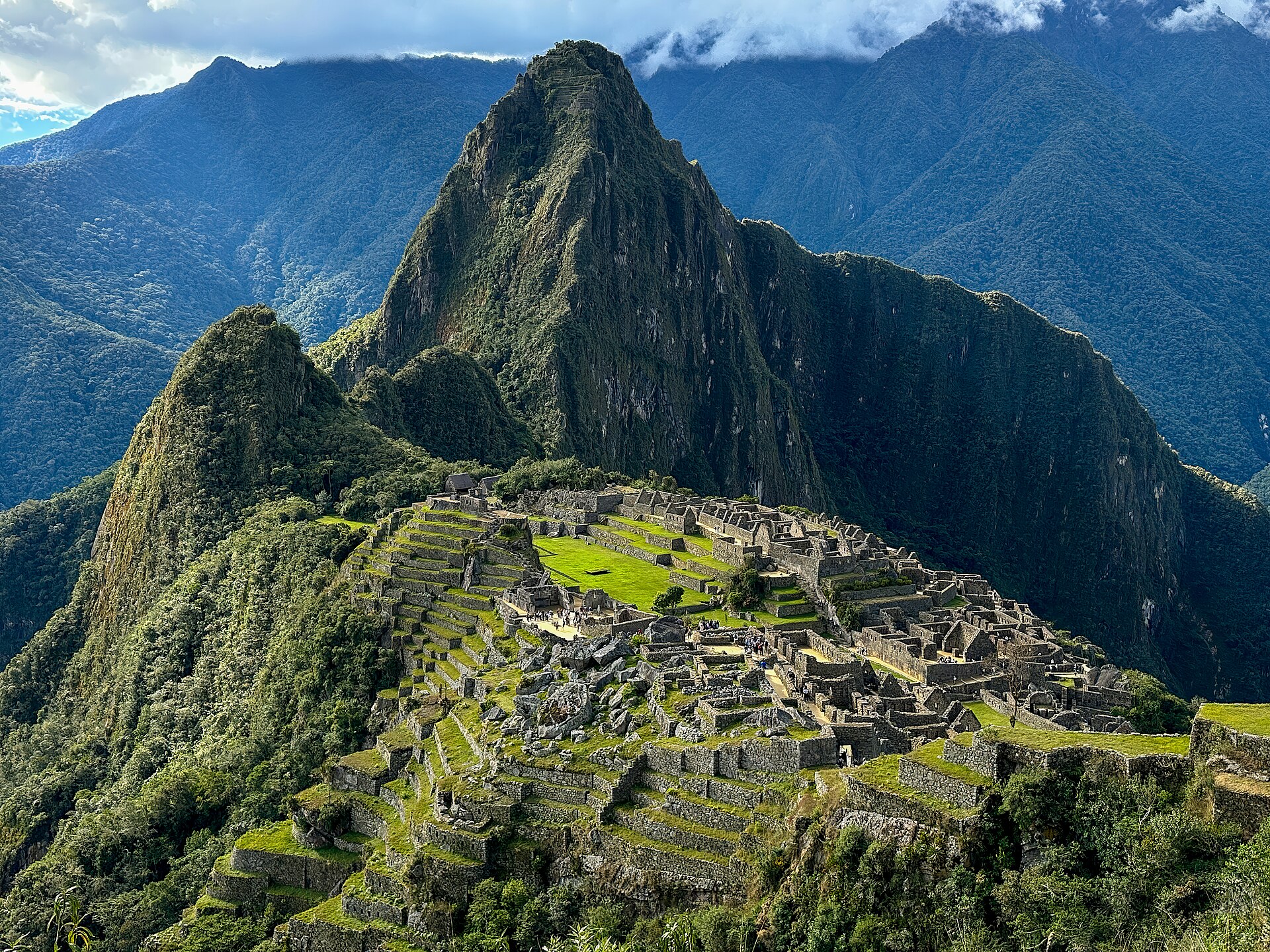
Machu Picchu is the reason most people come to Peru, and it delivers. Built in the mid-15th century under the Inca emperor Pachacuti at 2,430 meters on a narrow ridge between two peaks, the citadel remained unknown to the outside world until American historian Hiram Bingham stumbled upon it in 1911, led there by local farmers who had known of its existence all along. Today it is a UNESCO World Heritage Site, one of the New Seven Wonders of the World, and the single most visited archaeological site in South America. What makes Machu Picchu staggering is not merely its age or its famous postcard angle — it is the engineering. The Inca built this city without the wheel, without iron tools, and without mortar, yet its precisely fitted granite walls have survived five centuries of earthquakes, landslides, and tropical rains. The site includes agricultural terraces, a temple of the sun with a stone that aligns precisely with the winter solstice sunrise, an astronomical observatory, and an intricate water channelling system that still functions today. Without a guide, you see beautiful stonework against dramatic scenery. With one, you understand how a civilisation that had no written language encoded astronomical knowledge into architecture, engineered earthquake resistance into stone joints, and organized an empire of 12 million people from settlements like this one. The journey from Cusco is half the adventure — whether by scenic train through the Sacred Valley or on foot via the legendary Inca Trail.
Excavation History
Sunrise arrival: Watch the mist lift from the citadel as the first light catches the stone terraces — the moment that launched a million photographs. Intihuatana stone: The "hitching post of the sun" — a carved granite pillar precisely aligned with the sun's position during equinoxes, used for astronomical observations. Temple of the Sun: A semicircular tower with a window aligned to the winter solstice sunrise — the finest stonework on the site. Huayna Picchu climb: The steep peak behind the classic postcard view offers vertiginous perspectives down into the citadel and the Urubamba gorge (book months ahead). Water channels: An irrigation system of fountains and channels that still carries water through the site after 500 years. Resident llamas: A small herd of llamas grazes the terraces — they are the site's official landscapers and its most photographed residents.
When to Visit
Daily: 6 AM - 5 PM, with timed entry slots. Best: First entry slot (6 AM) for the famous sunrise mist and thinnest crowds. Huayna Picchu hike: Two entry slots — 7 AM and 10 AM, limited to 200 people per slot (book months ahead). Dry season (May-October): Clearest skies but highest visitor numbers; book 2-3 months ahead. Rainy season (November-March): Afternoon showers likely, but fewer crowds and greener landscapes.
Admission and Costs
Entry ticket: S/152 ($41) foreign adults — must be purchased online in advance with timed entry. Machu Picchu + Huayna Picchu: S/200 ($54) — sells out fastest. Licensed on-site guide: S/150-250 ($40-68) for a 2-hour tour (mandatory for groups, highly recommended for individuals). Train from Ollantaytambo: S/200-800 ($54-216) round trip depending on class (Expedition, Vistadome, or Hiram Bingham luxury). Bus Aguas Calientes to citadel: S/95 ($26) round trip — or a steep 90-minute hike up 1,700 stone steps. 4-Day Inca Trail: S/1,500-3,500 ($400-950) all-inclusive with licensed operator.
Tips for Visitors
Book everything early: Entry tickets, Huayna Picchu slots, and Inca Trail permits sell out months ahead in peak season — book as soon as your dates are confirmed. Acclimatize in Cusco first: Machu Picchu is lower (2,430m) than Cusco (3,400m), but arriving altitude-sick will ruin the experience — spend at least 2 days in Cusco or the Sacred Valley before visiting. Ollantaytambo base: Staying in Ollantaytambo (Sacred Valley) rather than Cusco shortens the train journey by 90 minutes and puts you closer to the morning departure. No re-entry: Once you leave the site, you cannot re-enter — bring water, snacks, and sunscreen for the full visit. Passport stamp: A free Machu Picchu stamp is available at the entrance gate — bring your passport. Hire a guide: The site is confusing without context — a DIRCETUR-licensed guide reveals engineering details, astronomical alignments, and historical narratives invisible to the untrained eye.