
Walking Routes
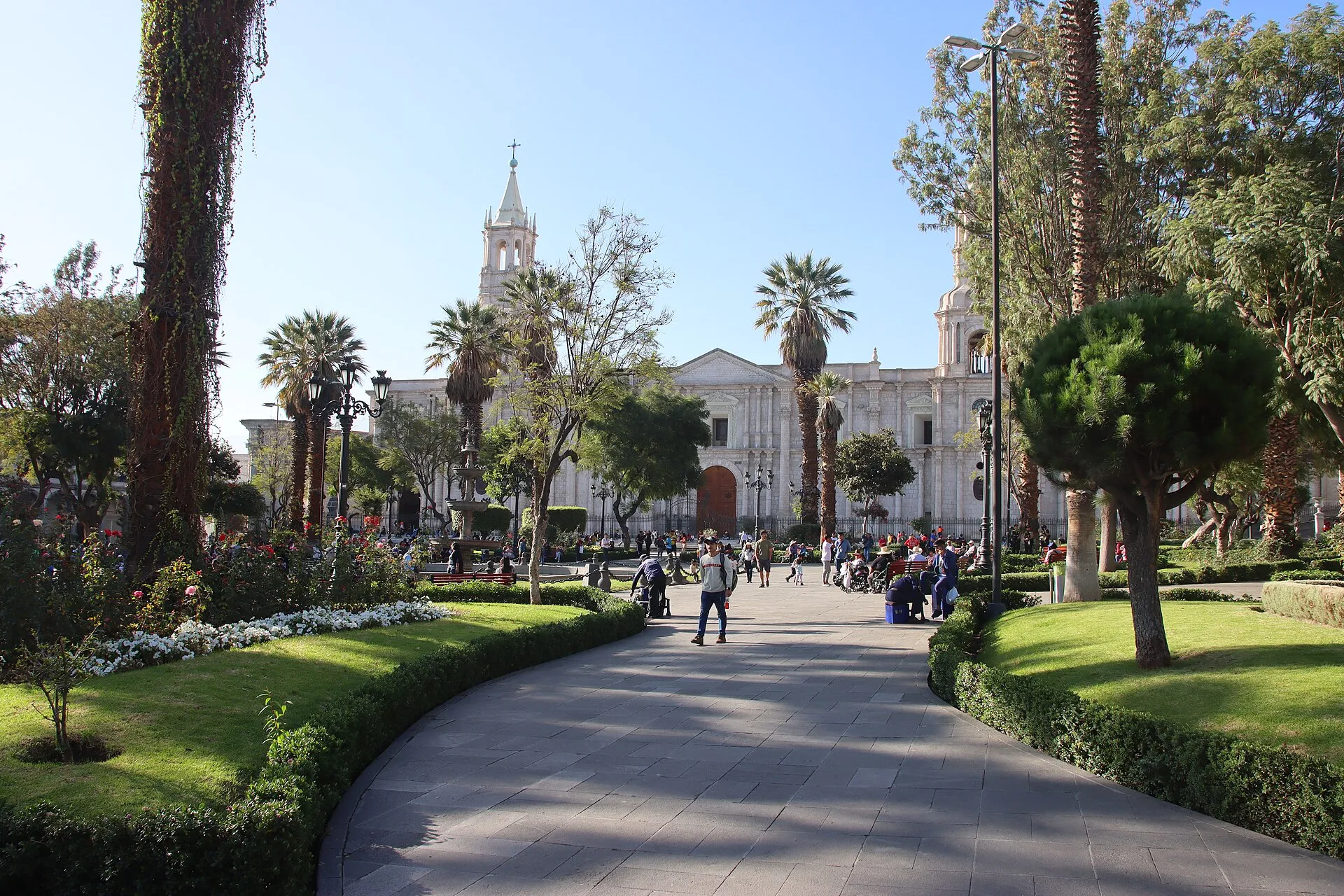
Basilica Cathedral: A neoclassical sillar edifice stretching the full length of the plaza — climb to the rooftop for panoramic volcano views. La Compañía portal: The Jesuit church facade is a masterpiece of mestizo baroque — indigenous and European motifs intertwined in carved sillar. Yanahuara viewpoint: El Misti volcano framed through sillar arches at golden hour, with the entire Historic Centre spread below. Colonial mansions: Casa del Moral and Casa Tristán del Pozo showcase carved sillar courtyards, period furnishings, and rooftop terraces. Sillar stonework: A guide explains how volcanic eruptions created the building material, how quarries operate today, and why the stone is earthquake-resistant. Picanterías: Traditional lunchtime restaurants in the centre where Arequipeños eat rocoto relleno, chupe de camarones, and pastel de papa.
Local Life
The Historic Centre reveals its character through the daily rituals of its residents. Morning starts at the Mercado San Camilo, a bustling iron-roofed market 10 minutes from the plaza where Arequipeños buy fresh produce, herbs, and the city's signature queso helado (a frozen dessert made with coconut and cinnamon, despite its name). The picanterías — traditional lunchtime restaurants that open only from 12 PM to 3 PM — serve dishes like rocoto relleno (stuffed hot pepper), chupe de camarones (river shrimp chowder), and adobo arequipeño (pork stew prepared overnight in clay pots). Locals take their evening paseo around the Plaza de Armas, where university students debate on benches and families buy anticuchos from street vendors. Visit the Museo Santuarios Andinos in the morning and return to the centre for a picantería lunch to experience the rhythm of a city that fiercely guards its culinary and cultural independence from the capital.
When to Visit
Cathedral: Monday-Saturday 7 AM - 5 PM, Sunday 7 AM - 1 PM. La Compañía complex: Monday-Saturday 9 AM - 12:30 PM, 3 PM - 6 PM. Best: Morning (8-11 AM) for soft light on the sillar facades; late afternoon for the Yanahuara viewpoint sunset. Duration: 2-3 hours for a guided walking tour of the main sights.
Admission and Costs
Cathedral entry: S/15 ($4) — includes access to the rooftop terrace with volcano views. La Compañía cloisters: S/10 ($2.70). Guided walking tour: S/40-80 ($11-22) per person, 2-3 hours. Private half-day guide: S/100-200 ($27-54) covering the centre, Santa Catalina, and Yanahuara.
Tips for Visitors
Combine with Santa Catalina: The monastery entrance is two blocks from the Plaza de Armas — do the centre walk first, then spend 2 hours in Santa Catalina. Cathedral rooftop: The entry ticket includes rooftop access — don't skip it; the volcano panorama is one of Arequipa's best views. Yanahuara at sunset: Cross the Puente Grau bridge in late afternoon to reach the viewpoint for golden-hour photos of El Misti. Sunshine protection: With 300+ sunny days a year and high UV at 2,335m, sunscreen and a hat are essential. Lunch at a picantería: These traditional restaurants serve only at midday — arrive by 12:30 PM for the best selection of Arequipeño dishes. Free evening strolls: The illuminated Plaza de Armas is one of Peru's most beautiful squares after dark — grab a café seat under the arcades and watch the evening unfold.
Frequently Asked Questions
What months should travelers target for Arequipa's Historic Centre?
May through September is Arequipa's dry season and the ideal window, when the city lives up to its reputation for 300 days of sunshine and the white sillar stone facades glow under cloudless blue skies. The volcanic backdrop of El Misti is most photogenic during these crystal-clear months. January through March brings the rainy season, with afternoon downpours that can flood the colonial streets and obscure mountain views, though mornings often remain bright.
What time of day is best for exploring Arequipa Historic Centre?
Cathedral: Monday-Saturday 7 AM - 5 PM, Sunday 7 AM - 1 PM. La Compañía complex: Monday-Saturday 9 AM - 12:30 PM, 3 PM - 6 PM. Best: Morning (8-11 AM) for soft light on the sillar facades; late afternoon for the Yanahuara viewpoint sunset.
How much should visitors budget for Arequipa Historic Centre?
Cathedral entry: S/15 ($4) — includes access to the rooftop terrace with volcano views. La Compañía cloisters: S/10 ($2.70). Guided walking tour: S/40-80 (~$11-22) per person, 2-3 hours.
How should visitors combine Arequipa Historic Centre with nearby sights?
Combine with Santa Catalina: The monastery entrance is two blocks from the Plaza de Armas — do the centre walk first, then spend 2 hours in Santa Catalina.