
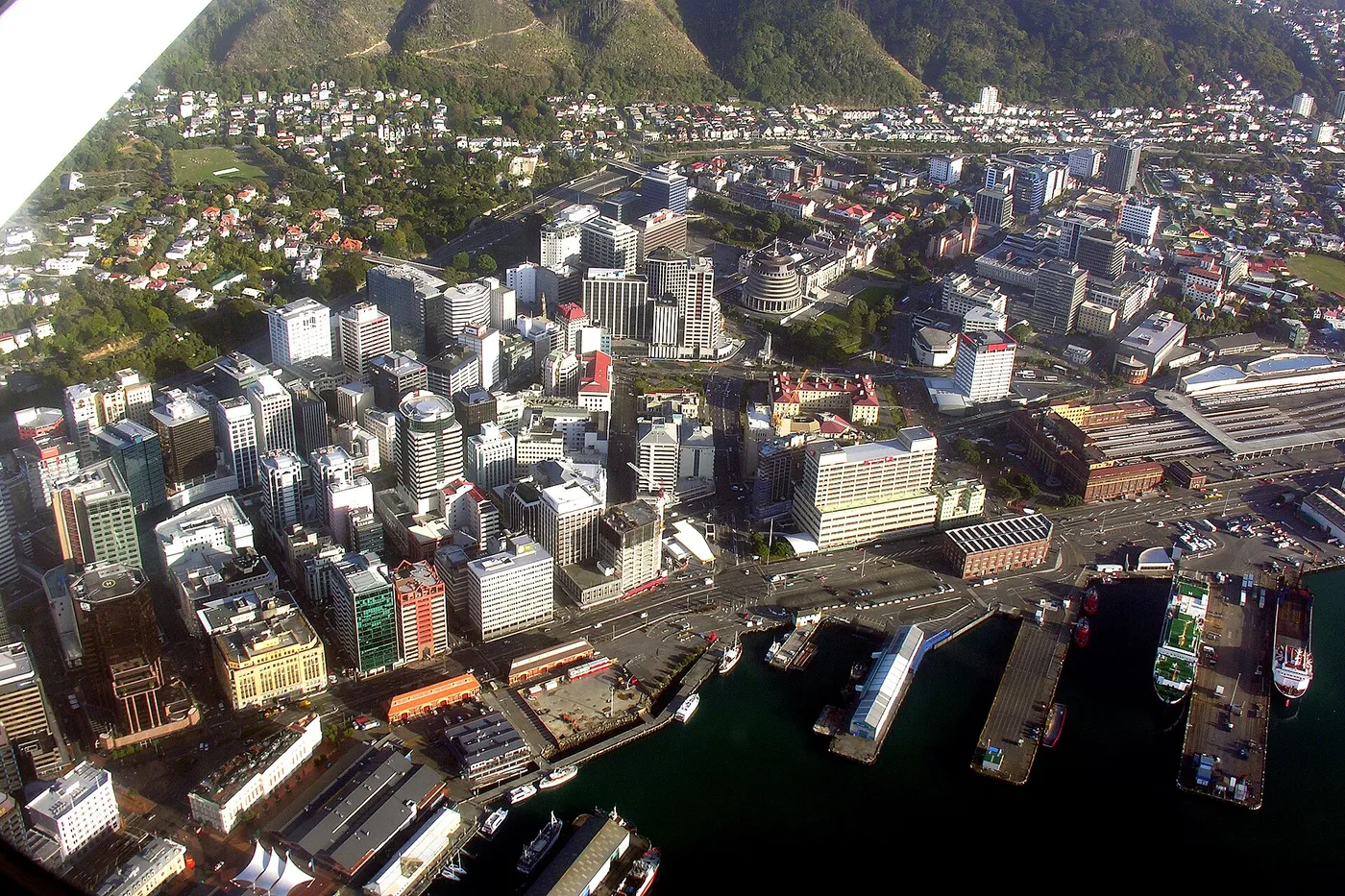
Cited city facts
Key facts for visiting Wellington
Wellington is the windiest city in the world among national capitals
Positioned at the narrow Cook Strait where the Tasman Sea and Pacific Ocean funnel together, Wellington records average wind speeds higher than any other capital city on Earth — the notorious southerly 'Wellington blast' can reach 150 km/h in extreme events, a force that has shaped the city's architecture, culture, and residents' relationship with the outdoors
Te Papa Tongarewa holds over 1.5 million collection items representing New Zealand's natural and cultural heritage
The national museum opened in 1998 on Wellington's waterfront and has since welcomed over 20 million visitors, housing everything from the world's only intact colossal squid specimen to taonga Maori treasures and a full-scale recreation of a New Zealand earthquake experience
Wellington has more cafés per capita than New York City
The city's café culture is a genuine cultural phenomenon — driven partly by a well-educated population, partly by the film industry's long hours requiring excellent coffee, and partly by Wellington's compact geography that concentrates independent operators into dense, walkable precincts like Cuba Street and Courtenay Place
Peter Jackson's Weta Workshop in Wellington created the visual effects for three of the top ten highest-grossing films of all time
Founded in 1987 and based in the Wellington suburb of Miramar, Weta Workshop contributed to The Lord of the Rings, Avatar, The Hobbit, and dozens of other productions — transforming Wellington into a globally recognised filmmaking city and spawning a creative economy around visual effects, prop-making, and game development
Source: tour-guide.com — Free to cite with attribution
Things to see
What are the top attractions in Wellington?
- Te Papa Tongarewa — the national museum on the waterfront, free entry, with Maori treasures and a colossal squid
- Mount Victoria Lookout — panoramic harbour views from the hilltop that filmed the Shire in The Lord of the Rings
- Cuba Street — Wellington's independent café, music, and culture spine with the iconic bucket fountain
- Wellington Cable Car — historic funicular connecting Lambton Quay to the Botanic Garden since 1902
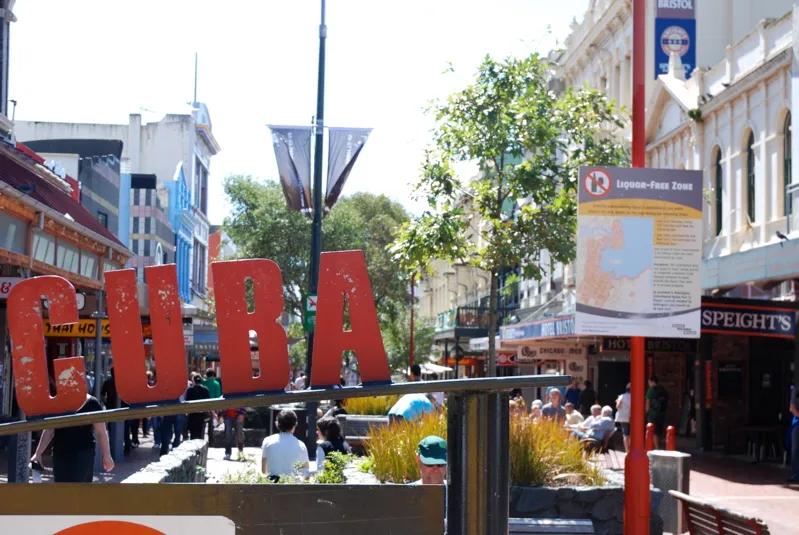
Cuba Street
Wellington's creative spine — independent cafés, vinyl records, vintage fashion
Mount Victoria Lookout
Wellington's iconic hilltop panorama — harbour, ranges, and South Island peaks from the hill that filmed the Shire

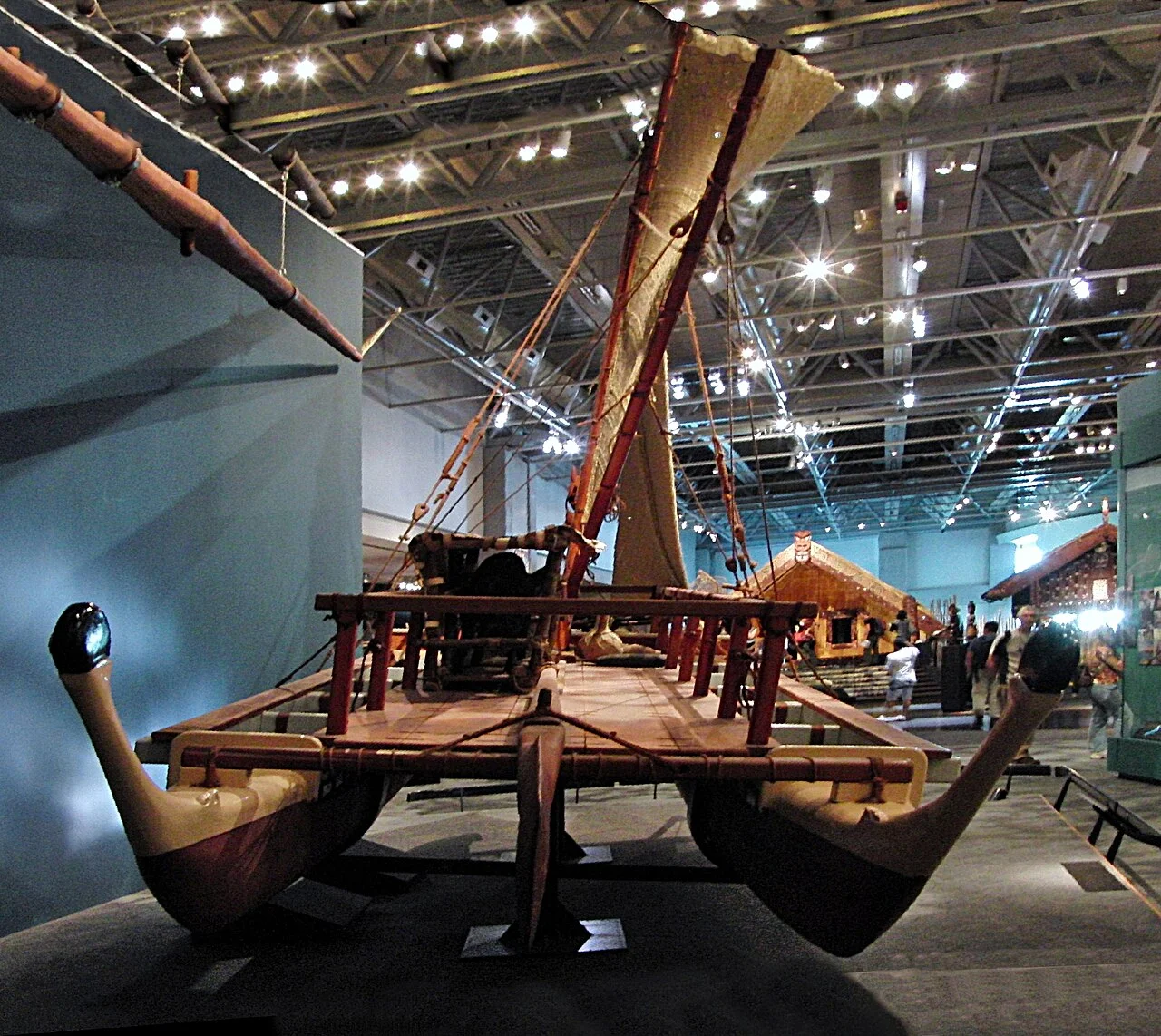
Te Papa Museum
New Zealand's free national museum — Maori treasures, Pacific art, and the world's only intact colossal squid
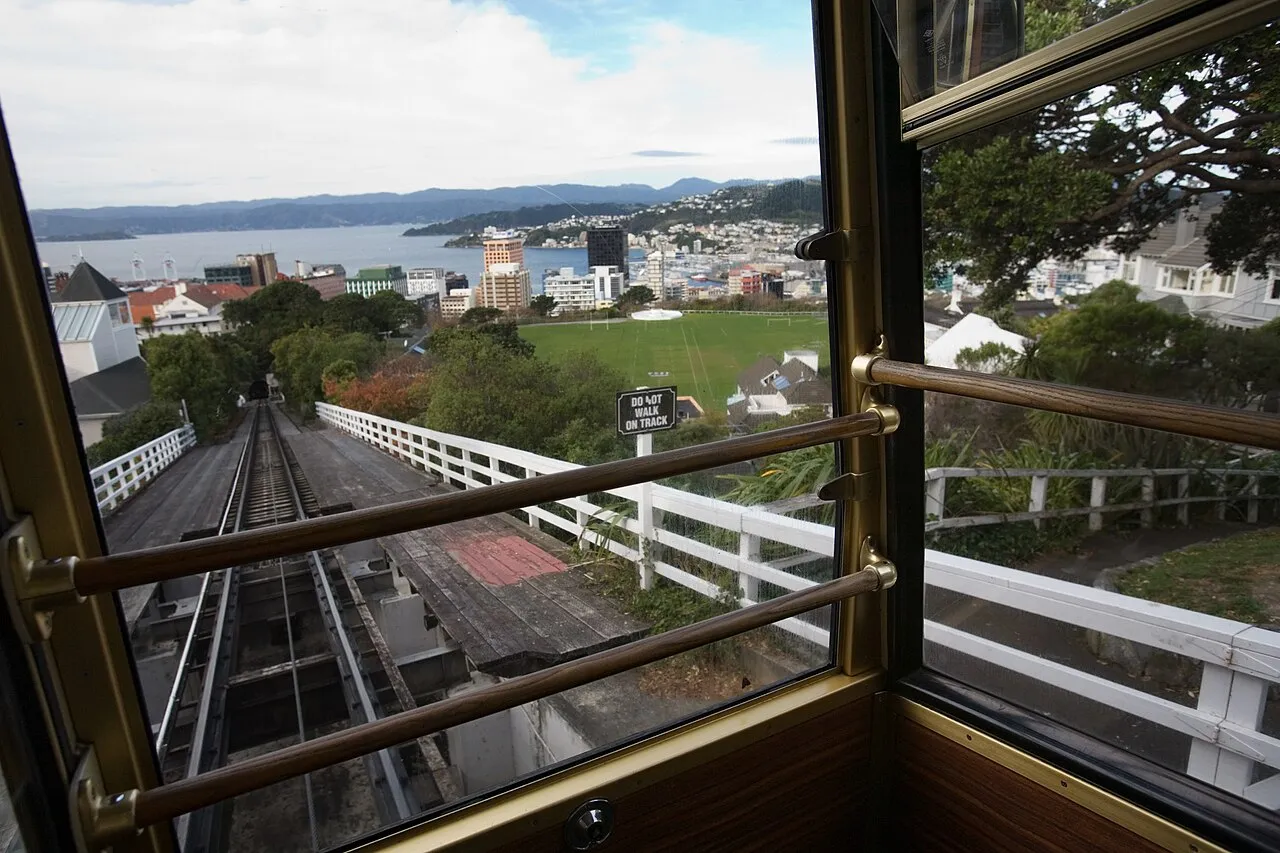
Wellington Cable Car
A five-minute funicular journey from Wellington's CBD to the hilltop Botanic Garden, operating since 1902
Guide planning
How much does a tour guide cost in Wellington?
| Tour Type | Price | Details |
|---|---|---|
| Te Papa guided tour | NZ$25–35 | Per person, 1.5 hours |
| Wellington Cable Car | NZ$10 | Return, includes Cable Car Museum |
| Weta Workshop studio tour | NZ$39–55 | Per person |
| Free walking tour (tipping) | Free–NZ$20 | Per person, departs Civic Square |
| Private full-day city guide | NZ$300–450 | Up to 4 people |
Season planner
When is the best time to visit Wellington?
December through February is Wellington's summer — outdoor dining on Cuba Street, long harbour walks, and the city in full festive energy. The New Zealand Festival of the Arts in March (even years) transforms the city into a hub for theatre, dance, and music of genuine international standard. Autumn (March–May) delivers the most stable weather and beautifully lit afternoons for the Mount Victoria Lookout. Winter is cool and occasionally stormy but Wellington's indoor culture — Te Papa, Weta Workshop, the Michael Fowler Centre — makes the city an excellent destination year-round. Pack a windproof layer in every season; even summer Wellington can redirect a casual stroll into something more aerobic.
Spring
Mar-May
Summer
Jun-Aug
Autumn
Sep-Nov
Winter
Dec-Feb
Each score averages that season’s monthly ratings out of 5. The top-rated window is usually the peak season too, so read the guidance above for its trade-offs before you book.
On the ground
How do you get around Wellington?
Wellington's CBD is genuinely walkable — Te Papa sits on the waterfront a 15-minute walk from the Cable Car base on Lambton Quay, and Cuba Street is a 5-minute walk inland from there. The Cable Car is both transport and attraction, running every 10 minutes from its Lambton Quay base station to the Botanic Garden terminus in Kelburn, on the city's northwestern hillside. Mount Victoria Lookout is on the opposite, southeastern side of the CBD — a 25–35 minute walk from the waterfront or a short ride on the No. 20 bus. Metlink buses cover Miramar (for Weta Workshop) and other suburbs with regular services. Uber operates across the city. The Interislander ferry to the South Island departs from the terminal near Wellington Railway Station — booking ahead is strongly recommended in summer, when the crossing through the Marlborough Sounds is at its scenic best.
Frequently Asked Questions
What is the capital of New Zealand?
Wellington is the capital of New Zealand — and, perched at roughly 41°S on the southern tip of the North Island, it is the southernmost capital city of any sovereign country in the world. It replaced Auckland as the seat of government in 1865, chosen for its central location between the two main islands. Auckland is still New Zealand's largest city, but Parliament, the executive (the "Beehive"), and the national government all sit in Wellington.
What is the best time to visit Wellington?
Wellington's notoriously changeable weather is something of a city trademark — locals joke that you experience all four seasons in a single day. The most reliably settled weather falls between December and March, with long evenings, outdoor dining on Cuba Street, and the Botanic Garden at peak bloom. The Wellington Sevens rugby tournament (usually February) and the New Zealand Festival of the Arts (March, even years) bring additional energy. Autumn from April to May delivers golden foliage and calmer conditions. Winter from June through August is cool and breezy but never severe — Te Papa, Weta Workshop tours, and the city's extraordinary café density make Wellington excellent in any weather.
How much does a tour guide cost in Wellington?
Te Papa Museum entry is free — guided tours within the museum cost NZ$25–35 per person. The Wellington Cable Car costs NZ$10 return and includes the Cable Car Museum at the top. The popular Weta Workshop Unleashed studio tour costs NZ$39–55 per person. Private full-day city guides charge NZ$300–450 for up to four people. Free walking tour operators run tipping-based tours from Civic Square most mornings, covering the waterfront, Te Aro heritage buildings, and Cuba Street.
How do you get around Wellington?
Wellington's compact CBD and waterfront are highly walkable — Te Papa, the Cable Car base station, and Cuba Street all lie within 20 minutes on foot of each other. The Cable Car departs from Lambton Quay every 10 minutes and is the most atmospheric way to reach the Botanic Garden at Kelburn. Mount Victoria Lookout is a separate hilltop on the city's southeastern side, reached on foot from the waterfront (25–35 minutes) or by the No. 20 bus. Metlink buses cover the wider suburbs. Uber operates throughout the city. The Interislander and Bluebridge ferries depart from the terminal near the railway station, connecting Wellington to Picton in the South Island in 3.5 hours — a spectacular crossing through the Marlborough Sounds.