

Overview
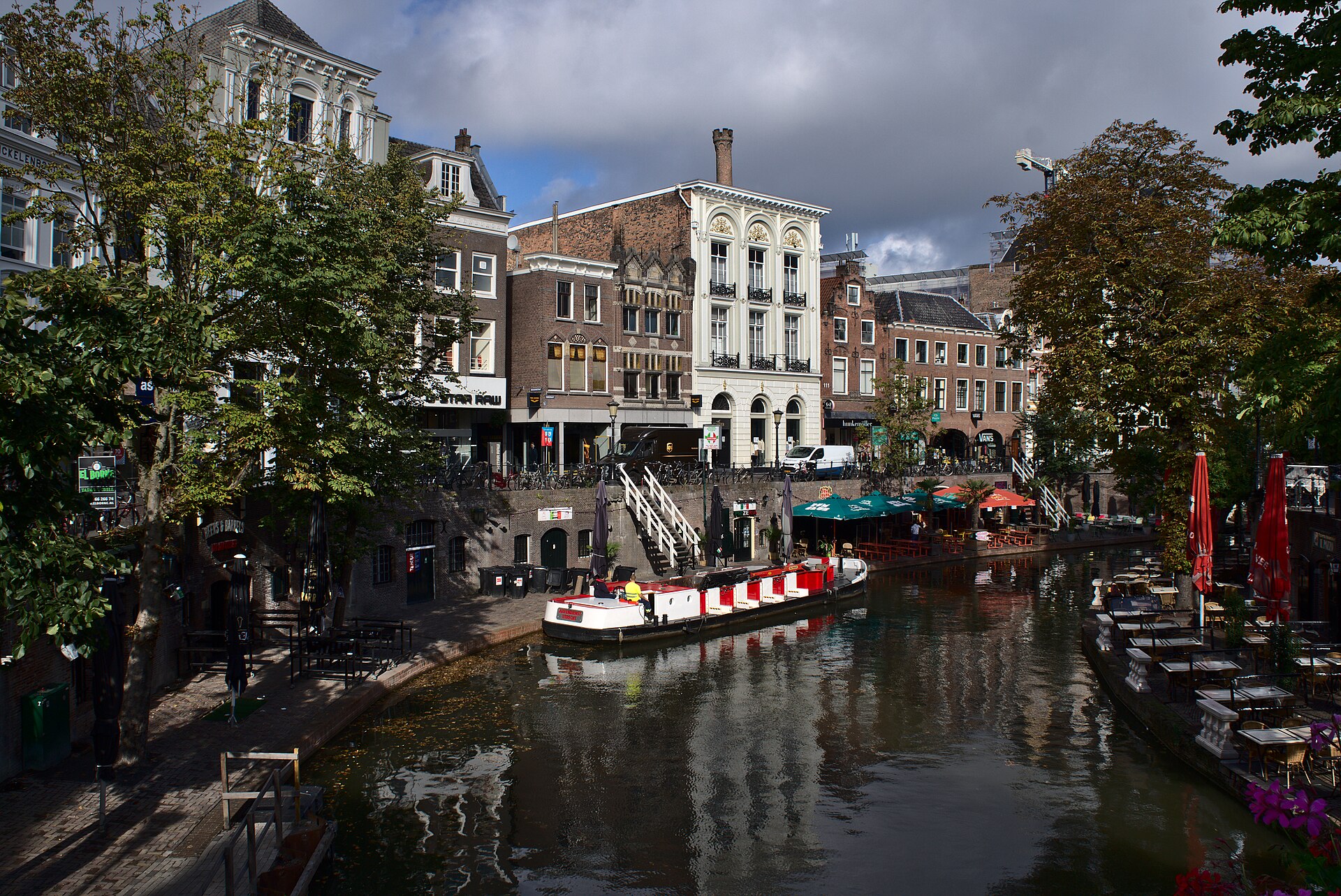
Utrecht's canal wharves (werfkelders) are unique in the Netherlands — and arguably in Europe. Unlike Amsterdam's canals, where buildings rise directly from the water's edge, Utrecht's Oudegracht features a two-level design: a street runs along the upper embankment, while a lower quay sits at water level, connected to vaulted cellars that extend beneath the street-level buildings. This system dates to the 13th century, when merchants used the lower level for loading and unloading goods from canal barges directly into storage cellars. Cranes mounted on the quay lifted cargo, and the cellars — cool, dark, and flood-resistant — stored everything from wine to grain.
When river commerce declined, the wharves and cellars fell into disuse for decades before Utrecht recognized their potential as the city's most distinctive public space. Today, the lower level along the Oudegracht and Nieuwegracht canals hosts a continuous ribbon of restaurants, wine bars, cafes, and shops, each occupying a former medieval cellar with brick vaulting above and canal water flowing past at knee height. On warm evenings, tables spill onto the stone quays, and diners sit with their feet dangling toward the water while swans glide past and musicians perform from canal boats. The upper-lower interplay creates a layered urban experience: walk along the street and peer down at the lively wharf scene below, or descend one of the many stone staircases and disappear into the intimate world at water level. A guide explains the engineering behind the two-level system, identifies which cellar facades date to the 1300s versus later reconstructions, and recommends which wharf terraces serve the best food — local knowledge that transforms an Instagram-worthy stroll into genuine understanding.
Engineering Facts
Medieval Cellars: The vaulted brick cellars beneath street-level buildings date to the 13th-15th centuries — their original cargo hooks and stone mounting blocks remain visible in some locations. Waterside Dining: Eating at a wharf terrace with water flowing past at arm's length is an experience unique to Utrecht — no other Dutch city has this two-level canal design. Bridge Views: Utrecht's canal bridges offer the best vantage points for photographing the wharves — the perspective looking down the canal with terraces on both sides and the Dom Tower in the background is the city's signature image. Canal Life: Swans, ducks, and occasional kayakers share the waterway with diners. Canal boat tours pass through regularly, their guides narrating history while passengers wave to terrace patrons. Summer Events: Live music on canal boats, floating markets, and cultural events transform the wharves throughout summer — check Utrecht's event calendar for schedules.
When to Visit
Access: Public wharves are always open; individual businesses have their own hours. Best: Summer evenings (18:00-21:00) when terraces fill and the atmosphere peaks; Sunday mornings for quiet photography. Restaurants: Lunch 12:00-14:30; dinner 18:00-22:00 (book ahead for popular wharf terraces on weekends). Quietest: Weekday mornings when local residents have the wharves to themselves.
Admission and Costs
Walking the wharves: Free — public paths along the lower quay. Wharf restaurant lunch: €12-22 for mains. Terrace drinks: Beer €4-6, wine €5-8, coffee €3-4. Canal tour boat: €13-16 for a 1-hour narrated cruise passing under bridges and along the wharves. Guided walking tour: €10-20 per person for group tours focusing on canal history and architecture.
Tips for Visitors
Reserve terrace tables: The best wharf restaurants book up on warm evenings. Call ahead for a waterside table at popular spots like De Bakkerswinkel, Oudaen, or Restaurant Blauw. Explore both canals: The Oudegracht gets the attention, but the Nieuwegracht one block east is quieter and equally atmospheric — locals prefer it for exactly that reason. Descend the stairs: Multiple stone staircases connect street level to the wharves. The best views come from walking along the lower level, then ascending to see the same scene from above. Canal cruise: A boat tour provides a water-level perspective impossible on foot — seeing the cellars and bridges from the canal reveals architectural details hidden from the quay. After dark: The wharves become atmospheric after sunset when restaurant lights reflect on the water and the Dom Tower is illuminated against the sky. Rainy day option: Many wharf restaurants occupy the vaulted cellars themselves — dining inside a medieval storage room with candlelight and brick arches is equally memorable when the weather doesn't cooperate.