

Overview
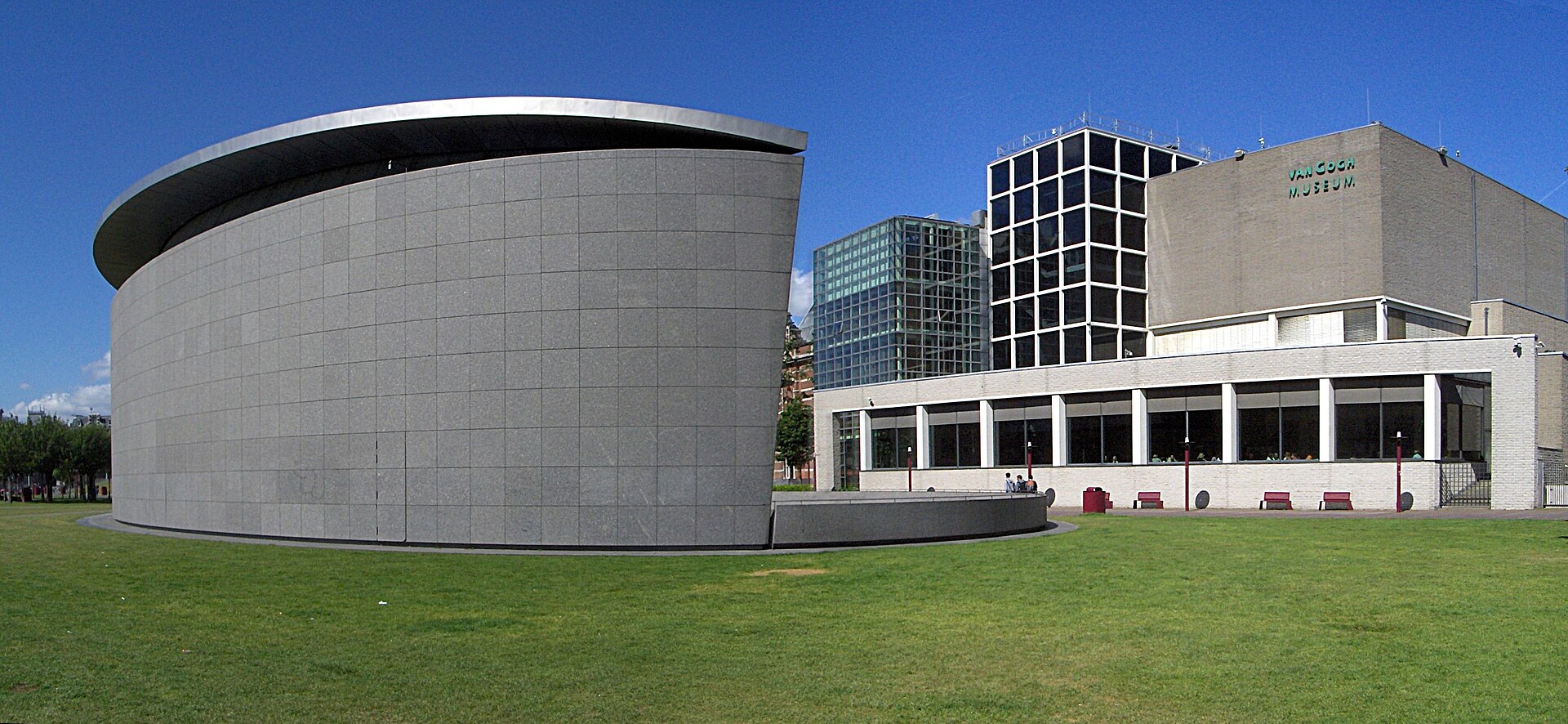
Vincent van Gogh sold exactly one painting during his lifetime, yet the museum bearing his name in Amsterdam attracts over two million visitors annually. The collection — 200+ paintings, 500 drawings, and nearly all of his letters — was preserved by his brother Theo's family and eventually entrusted to the Dutch state. The museum, designed by Gerrit Rietveld and opened in 1973 (with a wing by Kisho Kurokawa added in 1999), arranges the work chronologically so visitors experience Van Gogh's artistic evolution as a journey.
The somber Potato Eaters from his Dutch period give way to bright Parisian self-portraits, then the explosive sunflowers, orchards, and starry skies of Arles and Saint-Remy, before the turbulent final canvases from Auvers-sur-Oise where he died at 37. What makes this museum exceptional is its biographical depth. Van Gogh's letters to Theo — displayed alongside the paintings they describe — reveal an artist who was intellectually rigorous, deeply read, and agonizingly self-aware about his mental struggles and artistic ambitions. A guide trained in Van Gogh scholarship can connect the work to his life in ways the audio guide cannot: pointing out how his palette shifted after encountering Japanese woodcuts in Paris, why he chose to paint the same subject repeatedly (the bedroom, sunflowers, self-portraits) to master specific technical problems, and how his brushwork evolved from careful construction to the urgent, impasto swirls that became his signature. The museum also contextualizes Van Gogh among his contemporaries, with works by Gauguin, Monet, and Toulouse-Lautrec. For a complementary art experience, the Rijksmuseum across the square covers the Dutch Masters who preceded him.
Collections Highlights
Sunflowers (1889): One of five versions Van Gogh painted, this Amsterdam iteration radiates warmth through yellows layered with such thickness the paint casts its own shadows — created to decorate the guest room for Gauguin. The Bedroom (1888): Van Gogh's rendering of his Arles bedroom uses deliberately tilted perspective and flat, vivid colors to convey the "absolute restfulness" he craved — he painted three versions, and the museum holds the first. Almond Blossom (1890): Painted as a gift for his newborn nephew (named Vincent Willem), this Japanese-inspired composition of white blossoms against a blue sky is among his most serene and beloved works. The Potato Eaters (1885): Van Gogh's first major composition — deliberately ugly, earthy, and empathetic — shows peasants eating by lamplight. He wanted viewers to feel "that these people have been digging the earth with the very hands they put in the dish." Letters Gallery: Van Gogh's correspondence with Theo reveals an articulate, passionate mind. Displayed alongside relevant paintings, the letters add emotional and intellectual context no audio guide can match.
Guided Tours
A private guide transforms the Van Gogh Museum from a chronological survey into a deeply personal encounter with an artist's mind. Specialist tours trace Van Gogh's technical evolution — from the dark earth tones of his Brabant period through the color revolution triggered by Impressionism in Paris to the frenzied brushwork of his final months — while connecting each phase to his letters, which reveal the thinking behind every artistic decision. Art history guides draw connections between Van Gogh and contemporaries displayed in the museum: Gauguin's time in Arles, Toulouse-Lautrec's Montmartre, and the Japanese prints that redirected Van Gogh's entire approach to color and composition. Combine with the Rijksmuseum for a full day spanning the Dutch Golden Age through Post-Impressionism, or pair with Vondelpark for a restorative break between museums.
When to Visit
Open: Daily 9:00-18:00; extended to 21:00 on Fridays (often with live music and a bar). Best: Opening time (9:00) or after 15:30 when day-trippers begin leaving; Friday evenings combine art with atmosphere. Busiest: 10:30-14:00, especially during school holidays and rainy days. Allow: 1.5-2.5 hours depending on interest level.
Admission and Costs
General admission: €20 adults; free for under 18. Multimedia guide: €3.50 supplement (detailed commentary on 40+ works). Private guide tour: €120-200 for 1.5-2 hours (booked independently, museum entry separate). Friday evening events: Regular admission; live music and drinks at additional cost. Museumkaart: Annual pass (€65) includes unlimited Van Gogh Museum access along with 400+ other Dutch museums.
Tips for Visitors
Advance booking required: Timed-entry tickets must be purchased online. Walk-ups are not available. Book at least a few days ahead; summer and holiday periods require earlier planning. Chronological flow: Start on the ground floor and work upward — the museum is designed as a narrative journey through Van Gogh's life, and skipping floors means missing the story. Friday evening visits: The museum stays open until 21:00 on Fridays with a relaxed atmosphere, live music, and a bar in the lobby. A different experience from daytime visits. Photography policy: Photography is allowed in most galleries except for temporary exhibitions. No flash or tripods permitted. Combine wisely: The Rijksmuseum is a 3-minute walk across Museumplein. Doing both on the same day is feasible but intense — consider morning at one, afternoon at the other with a lunch break. Gift shop: One of Amsterdam's best museum shops, with high-quality reproductions, books, and design objects. Located on the ground floor and accessible without a museum ticket.