

Overview
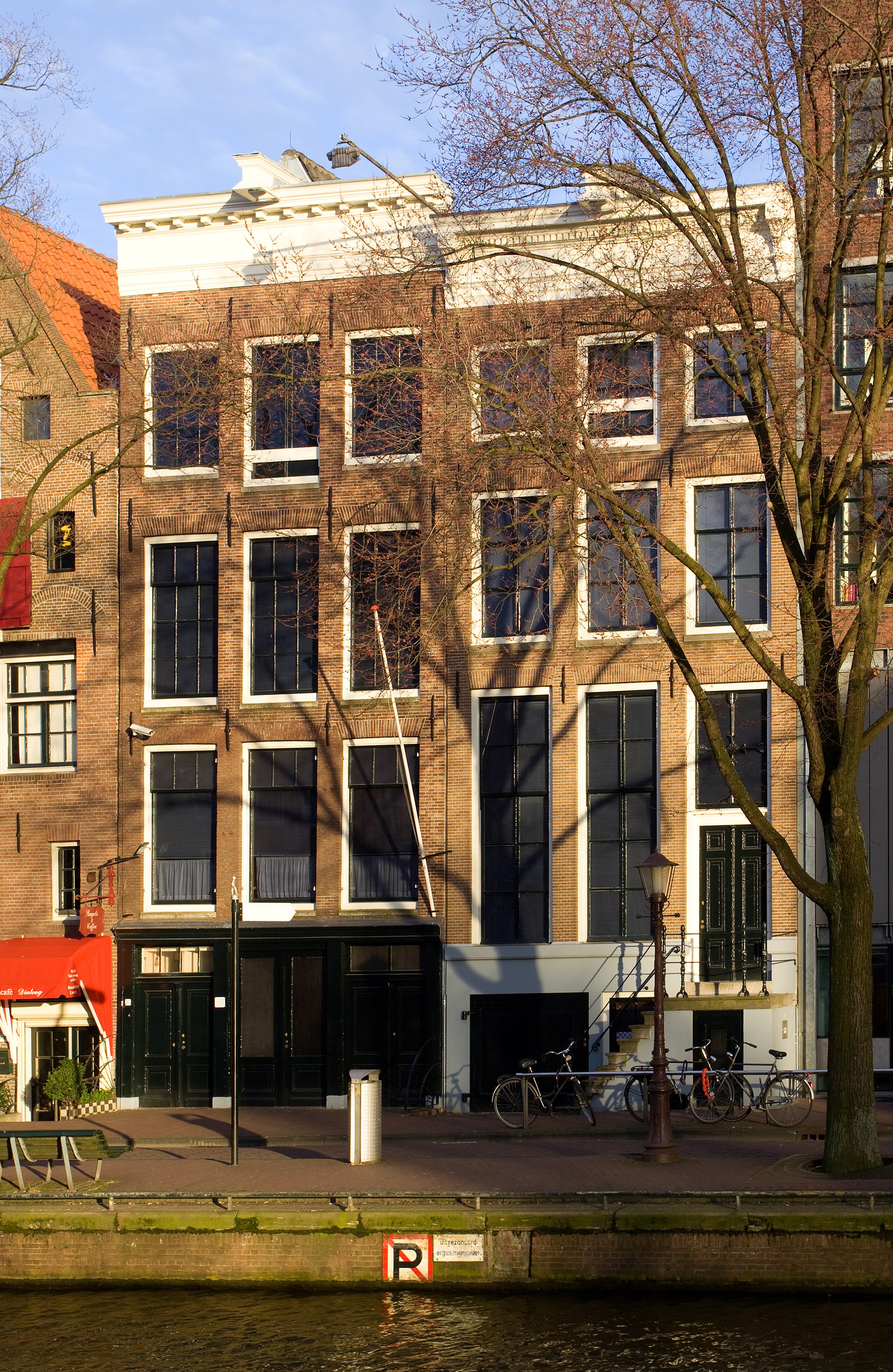
On July 6, 1942, the Frank family climbed behind a bookcase at Prinsengracht 263 in Amsterdam and entered a hidden set of rooms that would be their world for the next two years and one month. Anne Frank was thirteen. In that cramped annex — shared with four other people in hiding — she wrote the diary that would become one of the most widely read books in history, documenting the daily anxieties of concealment alongside remarkably perceptive observations about identity, love, and the human capacity for both cruelty and kindness.
The family was betrayed in August 1944 and deported; Anne died in Bergen-Belsen concentration camp in February 1945, two months before liberation. Only Otto Frank, her father, survived. The museum preserves the building largely as Otto Frank wished it: the annex rooms remain empty, as they were after the Gestapo raid, because he felt the void conveyed the loss more powerfully than any reconstruction could. Visitors walk through the former office spaces of the Opekta company (where helpers like Miep Gies smuggled food and news), pass through the concealed bookcase entrance, and ascend the narrow stairs into the annex itself. Pencil marks tracking the children's growth remain on a wall. Anne's movie star photographs still decorate her room. The experience is deliberately personal rather than encyclopedic — the museum focuses on this family, this building, this ordinary Amsterdam street where an extraordinary act of hiding and betrayal occurred. Contextual exhibitions explore the broader persecution of Dutch Jews, of whom 75 percent — the highest proportion in Western Europe — were murdered.
Collections Highlights
The Bookcase Entrance: The swinging bookcase that concealed the annex door is the museum's most powerful object — small, ordinary, and terrifying in its implications. Growth Marks: Pencil lines on the annex wall where Otto Frank marked his daughters' heights remain visible — mundane domestic ritual made heartbreaking by context. Anne's Room: The photographs of movie stars and the British royal family that Anne pasted to her walls are still there, a teenager's decoration in a prison. The Diary: The original red-checked diary and subsequent notebooks are displayed in the museum — Anne's handwriting brings her voice from the page into physical reality. Post-War Exhibition: The museum traces what happened to each of the eight people in hiding, the helpers who risked their lives, and the ongoing investigation into who betrayed the family.
Guided Tours
No guides operate inside the Anne Frank House — the museum is self-guided by design, preserving the intimate, contemplative atmosphere the space demands. However, independent guides offer invaluable pre-visit briefings covering the Frank family's story, wartime Amsterdam, and the broader context of the Dutch Holocaust. Post-visit walking tours through the Jordaan neighborhood and the Jewish Quarter connect the annex experience to the wider landscape of hiding, resistance, and betrayal across Amsterdam. A guide who specializes in WWII Amsterdam history can lead a half-day tour combining the Anne Frank House with the Resistance Museum, the Hollandsche Schouwburg, and the Stolpersteine (stumbling stones) that mark the former homes of deported Jewish families throughout the city.
When to Visit
Open: Daily 9:00-22:00 (hours may vary seasonally; check the museum website). Best: Early morning (9:00-10:00) or late evening (after 19:00) for the most contemplative atmosphere. Busiest: Midday and early afternoon year-round; summer months see highest overall demand. Allow: 1-1.5 hours for the complete experience. Note: The museum is not suited for children under 10 — content is emotionally heavy and spaces are very narrow.
Admission and Costs
General admission: €16 adults; €7 ages 10-17; free for under 10. Booking: Online timed-entry tickets only — no walk-up sales. Ticket release: Tickets become available six weeks in advance and sell out rapidly; set a calendar reminder. Guided context: No guides operate inside the museum, but independent guides can provide pre-visit briefings and post-visit walking tours covering Jewish Amsterdam.
Tips for Visitors
Book immediately: Tickets release six weeks ahead at 10:00 CET on Tuesdays and sell out within hours. This is not an exaggeration — treat it like concert tickets for a sold-out show. No photography inside: Cameras and phones must be put away throughout the annex. The rule exists to preserve the contemplative atmosphere — and it works. Pre-visit reading: Reading Anne's diary (or at minimum key passages) before visiting transforms the experience from historical site to personal encounter. Accessibility: The annex has steep, narrow staircases that cannot accommodate wheelchairs. The museum offers virtual reality alternatives for those unable to navigate the physical space. Combine with Jewish Quarter: Walk east to the Joods Historisch Museum, the Portuguese Synagogue, and the Hollandsche Schouwburg memorial for broader context on Jewish Amsterdam. Combine with Jordaan: The museum sits on Prinsengracht at the Jordaan's edge — a natural pairing with a neighborhood walking tour. Emotional preparation: The museum is deliberately restrained rather than sensational, but the cumulative impact is profound. Give yourself time afterward to sit quietly — the Westerkerk church garden next door is a peaceful option.