
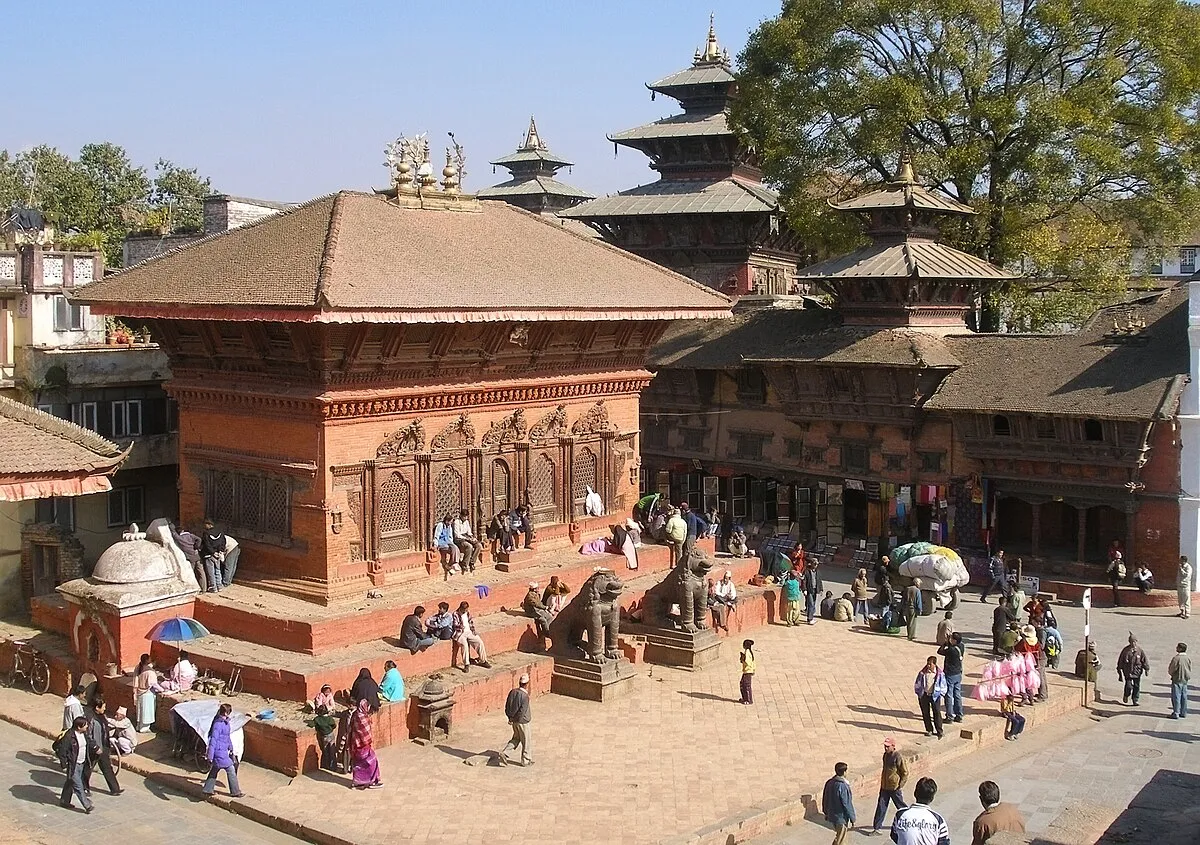
Cited city facts
Key facts for visiting Kathmandu
4 UNESCO World Heritage Sites within 15 km of Kathmandu city centre
The Kathmandu Valley concentration of heritage sites is unmatched globally; the seven monument zones represent continuous Newari settlement and artistic production from the 5th century onwards, preserving wood-carving and metalwork traditions that survived the 2015 earthquake's partial damage through international conservation partnerships
Pashupatinath Temple complex covers 246 hectares along the Bagmati River
As the holiest Hindu temple in Nepal and one of the most significant Shiva shrines in the world, Pashupatinath hosts the daily Hindu cremation ritual on the Bagmati ghats that has continued for over 2,000 years; the annual Maha Shivaratri festival draws over 1 million pilgrims from across South Asia
Boudhanath is one of the largest Buddhist stupas in the world at 36 metres
The mandala-form stupa, surrounded by over 50 Tibetan Buddhist monasteries, became a significant centre for Tibetan refugee communities after 1959 and now hosts one of the largest Tibetan Buddhist communities outside Tibet; the daily kora (circumambulation) draws monks and lay practitioners from dawn to dusk
Kathmandu sits at 1,400 m elevation — a natural acclimatization base
Most trekkers to Everest Base Camp (5,364 m) and Annapurna Base Camp (4,130 m) spend 2–3 days in Kathmandu before flying to higher-altitude trailheads; the moderate elevation also gives the valley a more temperate climate than the Indian plains below
Source: tour-guide.com — Free to cite with attribution
Things to see
What are the top attractions in Kathmandu?
- Pashupatinath Temple — Nepal's holiest Hindu temple with active cremation ghats on the Bagmati River
- Boudhanath Stupa — one of the world's largest stupas, surrounded by Tibetan Buddhist monasteries
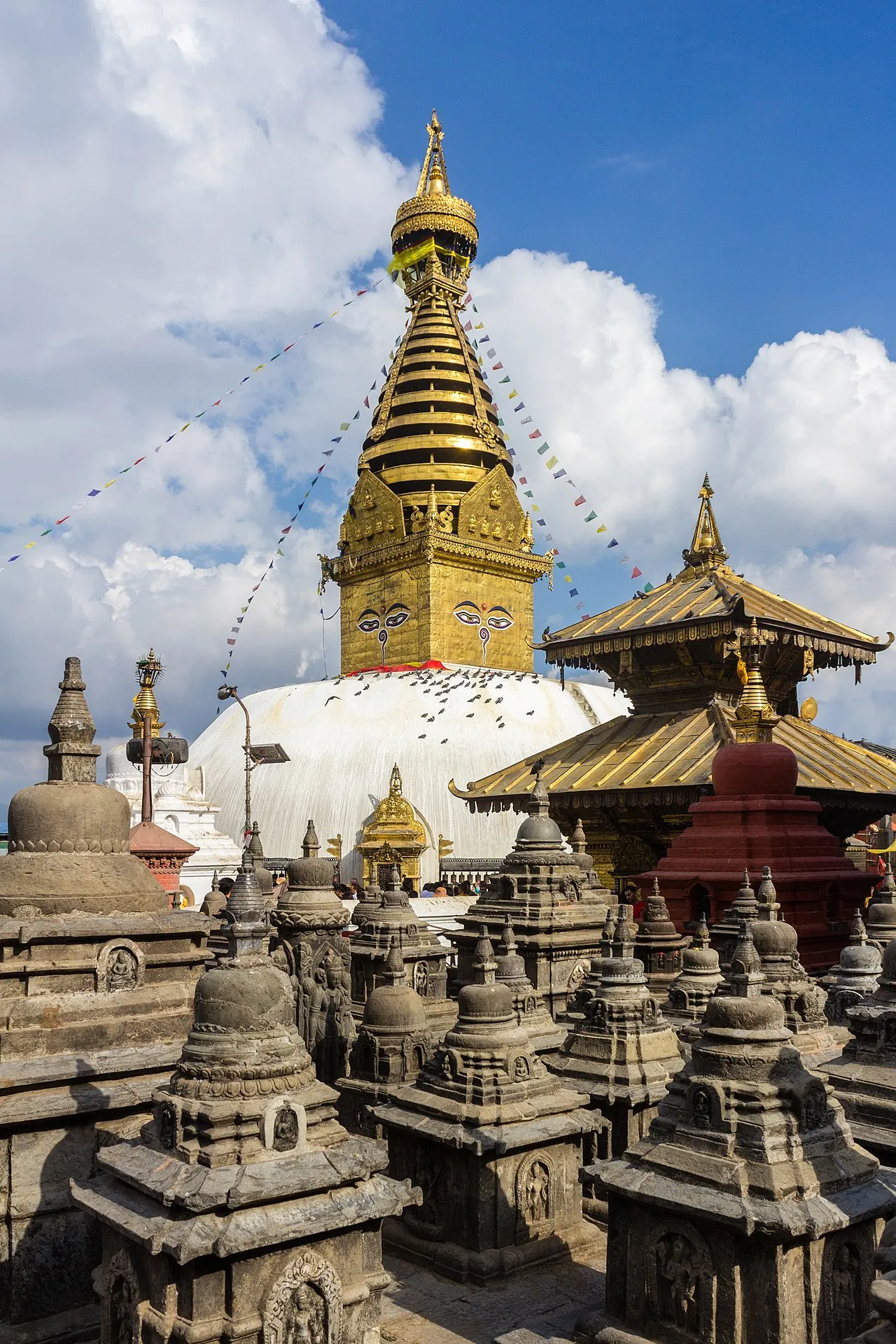
- Swayambhunath Stupa — the hilltop Monkey Temple with panoramic valley views
- Patan Durbar Square — the finest Newari palace complex, with Krishna Mandir and intricate stone carving
- Bhaktapur Durbar Square — a 45-minute drive to the medieval city with Nyatapola pagoda and pottery square
- Thamel — the backpacker and trekking equipment district; useful for permit paperwork and trekking gear
Boudhanath Stupa
One of the world's largest Buddhist stupas — the living spiritual centre of Kathmandu's Tibetan community
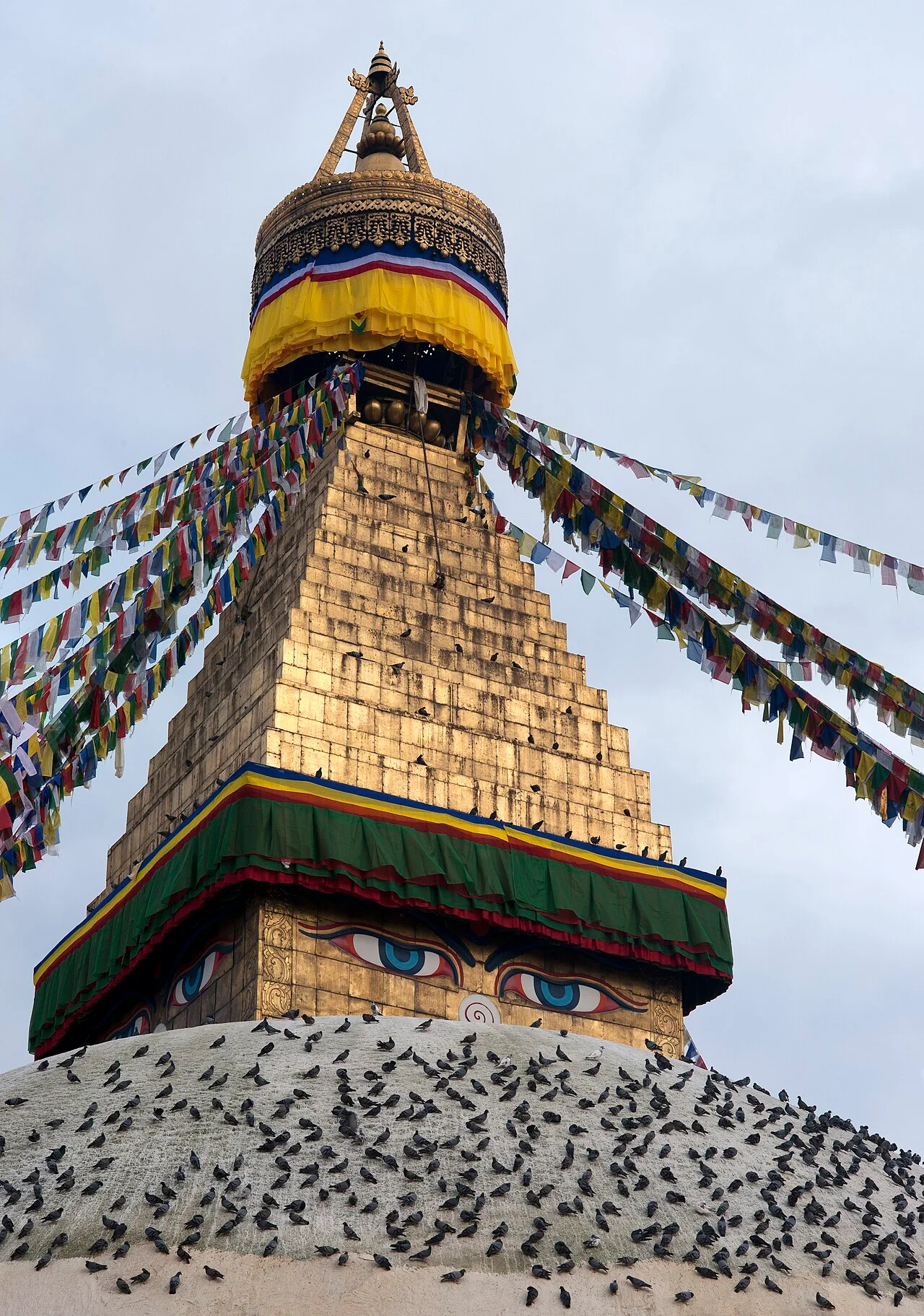
Pashupatinath Temple
Nepal's holiest Hindu temple, where the Bagmati River's cremation ghats have burned for centuries
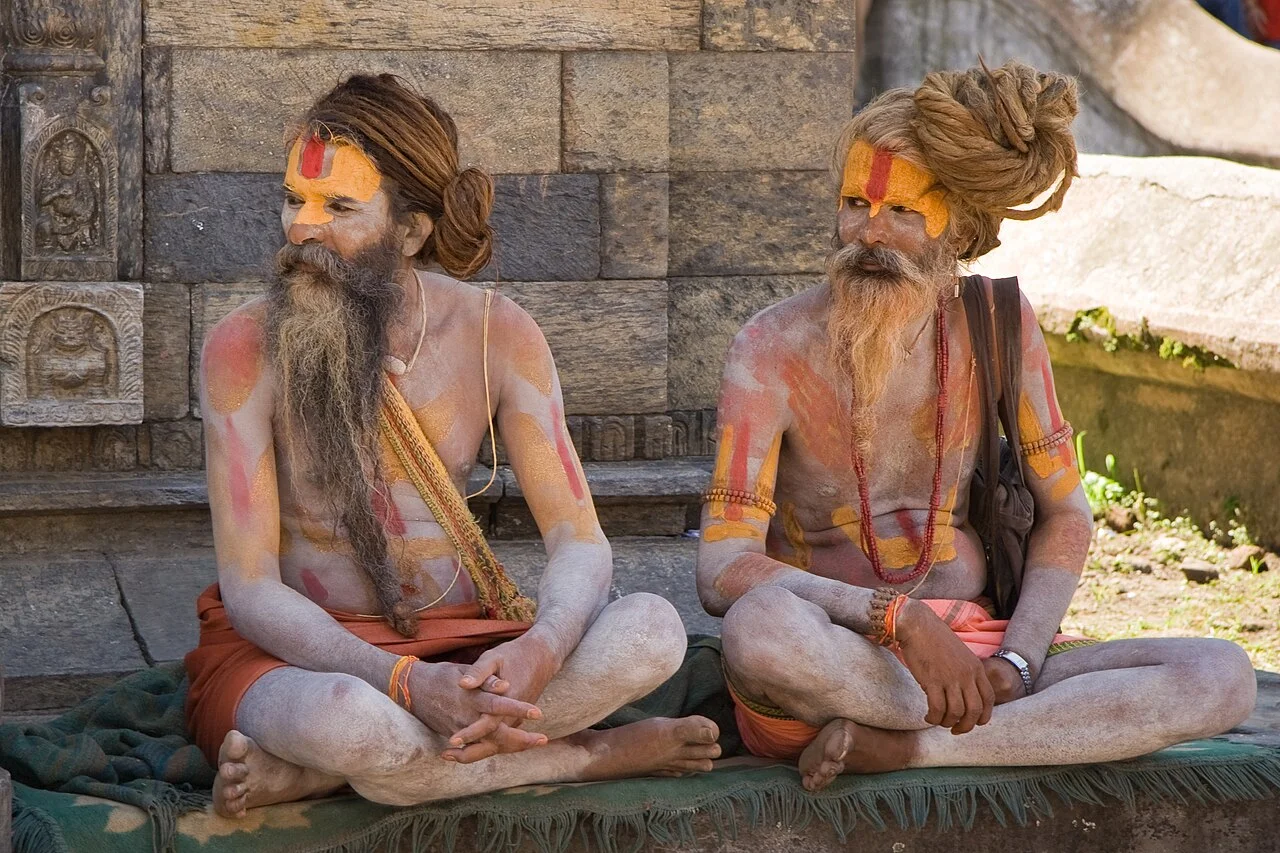
Patan Durbar Square
The most beautiful royal square in Nepal — a millennium of Newari architecture and living craft
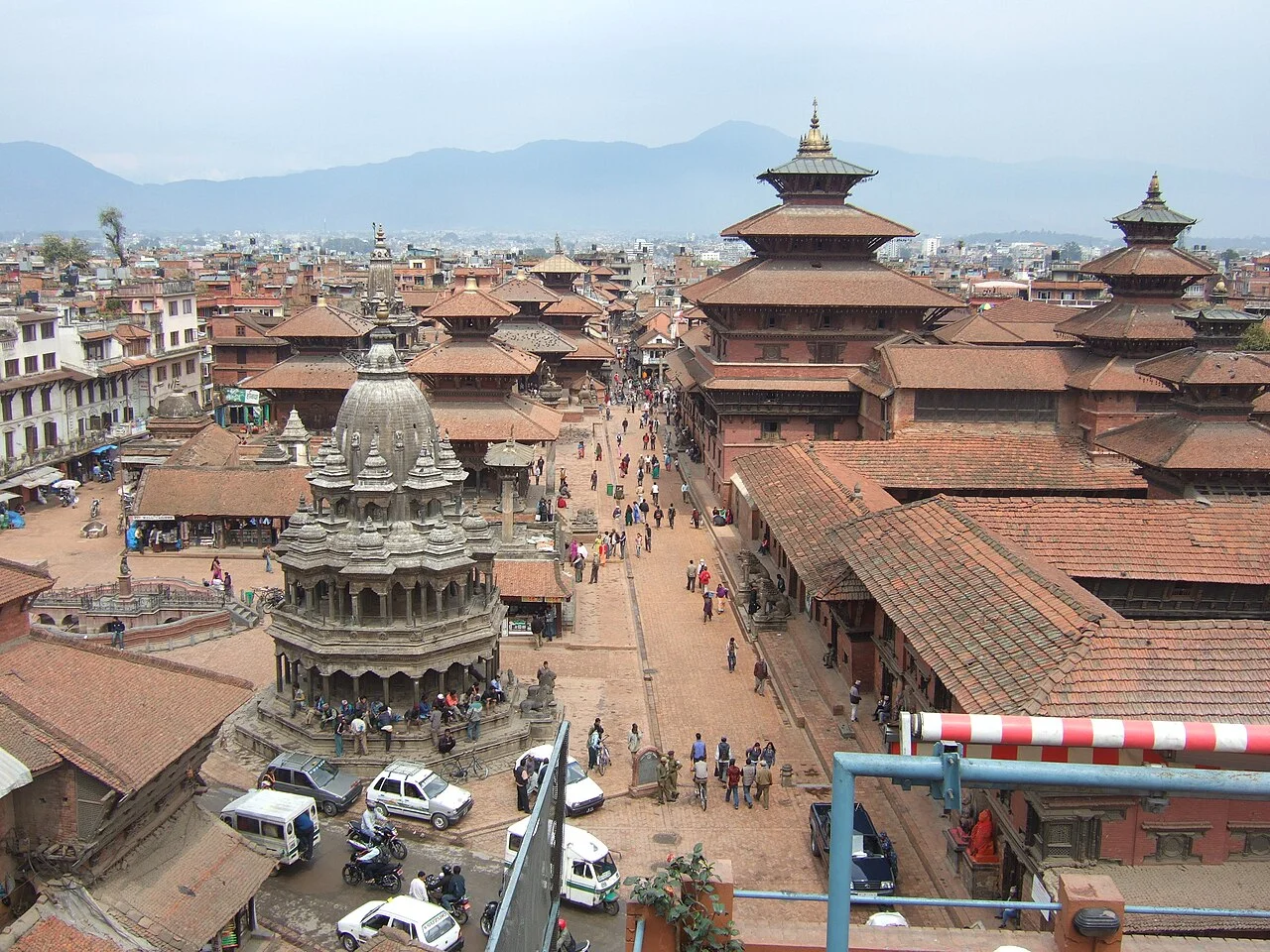
Swayambhunath Stupa
The gilded Monkey Temple atop Kathmandu's oldest hill — 2,500 years of continuous pilgrimage
Guide planning
How much does a tour guide cost in Kathmandu?
| Tour Type | Price | Details |
|---|---|---|
| Half-Day Valley Tour | $30–50 | 2–3 heritage sites, private guide |
| Full-Day Valley Tour | $50–80 | All 4 UNESCO sites |
| Trekking Briefing + Permit Setup | $60–100 | Includes permit procurement advice |
| Trekking Guide (per day on trail) | $25–45 | Plus food and accommodation |
| Porter (per day) | $15–25 | Plus food and accommodation |
Season planner
When is the best time to visit Kathmandu?
October and November are the benchmark months — Dashain and Tihar festivals fill the valley with colour and ritual, mountain views are crisp, and the post-monsoon air is clean and cool. Spring (March–May) offers the second-best window with rhododendrons on mountain slopes and comfortable temperatures. The monsoon from June through September is manageable for Kathmandu itself, though temple courtyards flood and mountain views disappear under cloud. December through February is cold but clear, with the best chance of seeing Himalayan peaks from Swayambhunath and Nagarkot on clear days.
Spring
Mar-May
Summer
Jun-Aug
Autumn
Sep-Nov
Winter
Dec-Feb
Each score averages that season’s monthly ratings out of 5. The top-rated window is usually the peak season too, so read the guidance above for its trade-offs before you book.
On the ground
How do you get around Kathmandu?
- Taxi — metered taxis available but always agree the fare before getting in; Pathao app provides reliable fixed-price rides
- Walking — Pashupatinath, Boudhanath, Swayambhunath, and Patan each need 1–2 hours; all require separate transport to reach
- Private car with guide — the most efficient way to cover all four valley UNESCO sites in one day
- Bus — local microbuses connect central Kathmandu to Boudhanath and Patan; useful if you know the routes
- Bicycle — available for rent in Thamel; practical for Patan and Bhaktapur but city traffic is chaotic
Frequently Asked Questions
What is the best time to visit Kathmandu?
October and November are Kathmandu's finest months — post-monsoon clarity delivers crisp mountain views, Himalayan peaks visible from the city outskirts, and comfortable temperatures between 10 and 25°C. The autumn festival season of Dashain and Tihar fills the valley with lights, processions, and family gatherings that give visitors an extraordinary window into Nepali Hindu culture. March through May is the spring trekking season with rhododendrons blooming on mountain slopes; Kathmandu is warm (20–28°C) and manageable. The June–September monsoon brings heavy rain that limits visibility and complicates travel, though Kathmandu itself remains accessible year-round.
How much does a licensed cultural guide cost in Kathmandu?
Kathmandu cultural guides are among Asia's best value. A half-day walking tour covering two or three of the valley's UNESCO sites — Pashupatinath and Boudhanath, or the three Durbar Squares — costs $30–50 for a private guide. A full-day itinerary visiting all four major sites of the Kathmandu Valley World Heritage listing runs $50–80. Specialist guides who combine temple tours with trekking briefings and permit procurement for Everest or Annapurna routes charge $60–100 per day for their comprehensive knowledge.
What is the Kathmandu Valley World Heritage Site?
UNESCO inscribed the Kathmandu Valley in 1979, covering seven monument zones: the three Durbar Squares of Kathmandu, Patan, and Bhaktapur, plus Pashupatinath Temple, Boudhanath Stupa, Swayambhunath Stupa, and Changu Narayan Temple. Together they represent over 1,500 years of Newari civilisation — a distinct ethnic group whose architecture, religion, and art blend Hindu and Buddhist traditions in forms found nowhere else on earth.