

Overview
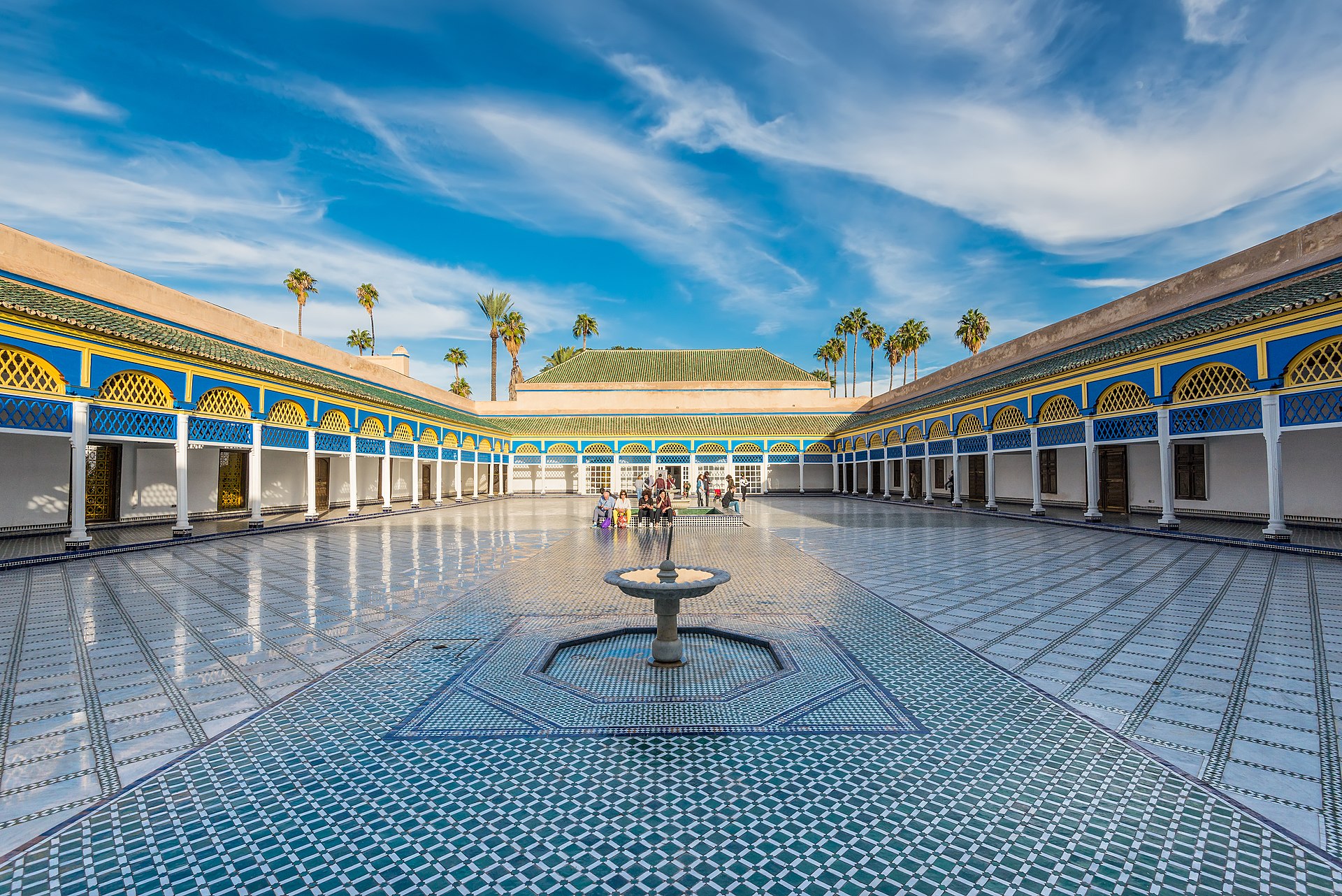
Grand Vizier Si Moussa and later his son Ba Ahmed ibn Moussa spent decades building Bahia Palace between 1866 and 1900. The name means "Palace of the Beautiful" or "Palace of the Brilliant," and every surface justifies the title. Spread across 8,000 square meters, its 150 rooms showcase the pinnacle of Moroccan craftsmanship: zellige mosaic floors cut by hand from thousands of ceramic pieces, muqarnas stucco honeycomb ceilings, and cedarwood panels carved with such precision they look like lace.
The palace has almost no explanatory panels inside, so without a guide the rooms blend into a beautiful blur. A guide reveals the political intrigue behind the palace — how Ba Ahmed amassed enough power to build it while serving as regent, and how the sultan looted the building within hours of his death. Combine with Jemaa el-Fnaa (10 minutes north) and Majorelle Garden for a full day in Marrakech.
Historical Significance
Guides explain the difference between zellige (geometric tile mosaics), tadelakt (polished waterproof plaster), gebs (carved stucco), and zouak (painted wood) visible in each room — four distinct Moroccan decorative techniques brought to their highest expression in this palace. The harem quarters reveal the layout logic of the four wives' rooms and the 24 concubines' rooms, each with its own courtyard designed according to Islamic principles of hierarchy and privacy. The deliberate absence of roofing in the grand courtyard and the garden placement aligned with Islamic paradise concepts reflect a theological dimension to the architecture. Experienced guides navigate you to lesser-visited rooms first when tour groups concentrate on the main courtyard. The political story — how Ba Ahmed built this monument to his own power only for it to be stripped of furnishings within hours of his death by a jealous sultan — adds a layer of human drama to every ornate surface.
Architecture
The Grand Courtyard (Cour d'Honneur) is a massive marble-paved open space ringed by galleries with painted cedarwood lintels — the palace's architectural centerpiece. The Petit Riad garden is an intimate walled space with citrus trees, a central fountain, and stained glass windows filtering colored light. The Council Chamber ceiling is the most ornate painted wood ceiling in the palace, with gold leaf and polychrome arabesques. The zellige mosaic floors feature geometric patterns where each piece was hand-cut from individually glazed ceramic tiles. Massive carved cedar doors with calligraphic and floral motifs, which took artisans years to complete, guard the transitions between the palace's wings. The central riad garden with banana trees, bougainvillea, and stone pathways connects the public and private sections of this extraordinary Marrakech residence.
When to Visit
Hours: Daily 9:00 AM - 5:00 PM (last entry 4:30 PM). Ramadan hours: Reduced to 9:00 AM - 3:00 PM during the holy month. Best time: Early morning (9-10 AM) for empty courtyards and optimal photography light. Avoid: 11 AM - 2 PM when tour bus groups crowd the main courtyard. Allow: 1-1.5 hours for a thorough visit with a guide.
Admission and Costs
Admission: 70 MAD (€6.50) per person. Group tour including Bahia Palace: 200-350 MAD (€18-32) per person (multi-site half-day tour). Private guide for palace: 300-500 MAD (€28-46) for a dedicated 1-hour tour. Architecture specialist: 500-900 MAD (€46-83) for a detailed Islamic art history tour. Photography permit: Included in admission (tripods restricted).
Tips for Visitors
Flat shoes recommended: Marble floors and tiled courtyards can be slippery. Photography: Excellent natural light in courtyards; interiors can be dim, so a guide helps you find the best angles. Dress code: Modest clothing is respectful though not strictly enforced. Combine with nearby sites: The Mellah (Jewish quarter) is a 5-minute walk; Jemaa el-Fnaa is 10 minutes north. Buy tickets at the entrance: No advance booking needed; queues are usually short. Partial palace: Only about half the rooms are open to visitors; the rest remain government property. Cool retreat: Thick walls make the palace notably cooler than the medina streets, a welcome break in summer.