
_by_ovedc_01.jpg)
Overview
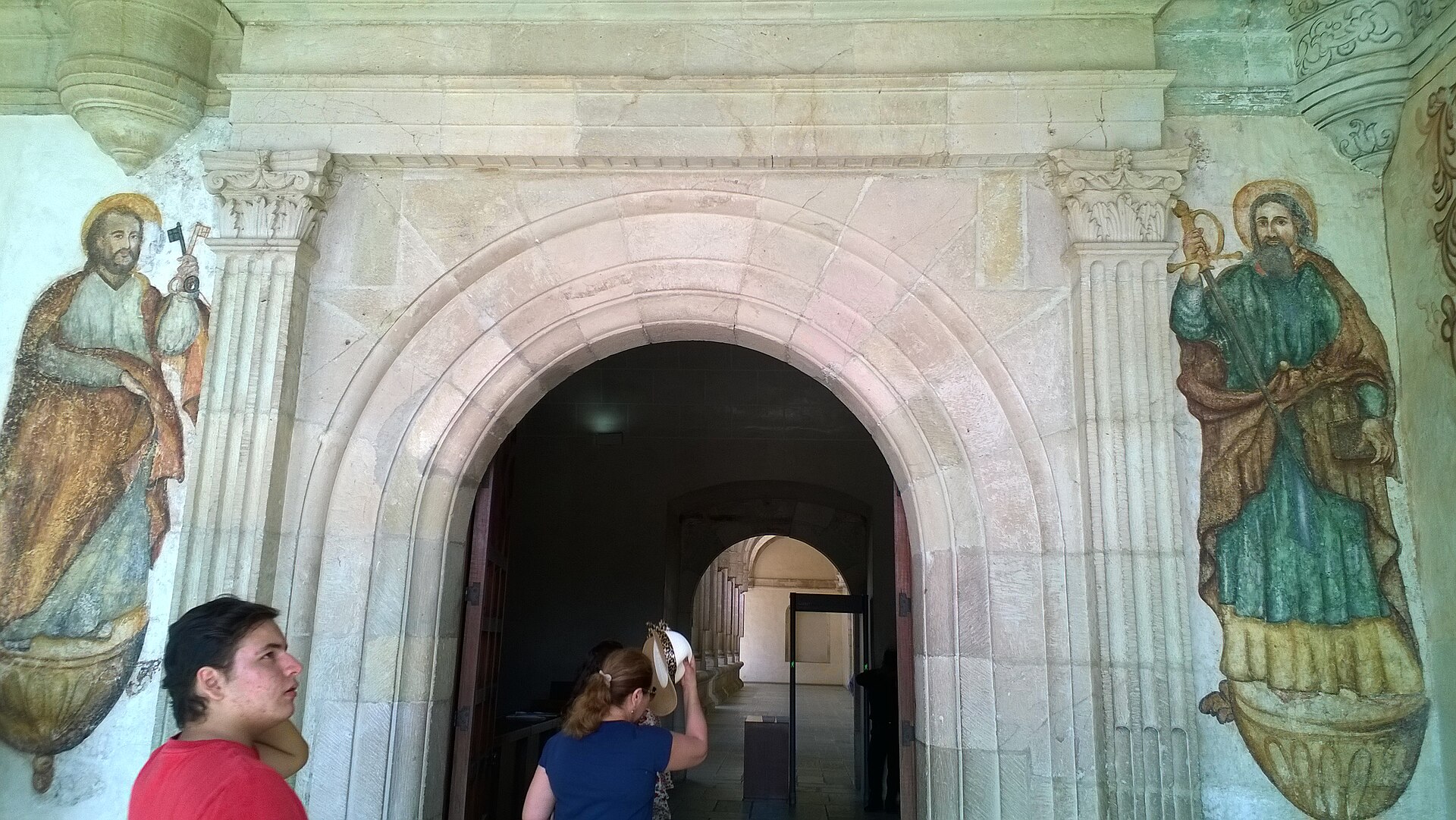
Walking through the doors of Santo Domingo for the first time is one of those moments that stops you in your tracks. Dominican friars began construction in 1551, and it took nearly six decades — until 1608 — to complete what many consider the finest example of Baroque architecture in all of Mexico. Every square centimeter of the interior is covered in elaborately carved and gilded stucco relief: saints, angels, vines, fruits, and intricate geometric patterns climbing the walls and arching across the ceiling in an overwhelming display of colonial-era craftsmanship.
The ceiling above the entrance is the showpiece: a three-dimensional genealogical tree of Santo Domingo de Guzmán, the founder of the Dominican order, with gilded figures emerging from plaster branches in what is widely regarded as one of the greatest artistic achievements of colonial Mexico. Adjacent to the temple, the former Dominican monastery now houses the Museo de las Culturas de Oaxaca, where the treasures from Monte Alban's Tomb 7 — including intricate Mixtec gold jewelry, carved jaguar bones, and turquoise mosaics — are displayed in cool stone galleries. Behind the complex, a walled botanical garden cultivates the native plants of Oaxaca state. Combine with Hierve el Agua for nature and archaeology in the same trip.
Spiritual Significance
Santo Domingo remains an active parish church, and its spiritual life continues to shape Oaxaca's religious calendar. The Dominican order established their mission here to evangelize the indigenous Zapotec and Mixtec populations, and the church's extravagant decoration was deliberately designed to overwhelm and convert — the gilded interior served as a visual argument for the power and glory of the Catholic faith. The Baroque style reached its most elaborate Mexican expression in buildings like this, where indigenous artisans brought their own aesthetic traditions to European forms, creating a uniquely novohispano (New Spanish) synthesis visible in the floral motifs and the integration of local fruits and plants into the carved decoration. The church survived use as military stables during the Guerra de Reforma (Reform War) and a period as army barracks — the fact that its decoration survived at all is remarkable. The pipe organ, restored in the early 2000s, fills the gilded space with sound during services and occasional concerts.
Visitor Etiquette
The genealogical tree ceiling above the entrance is a three-dimensional gilded stucco family tree of Santo Domingo de Guzmán — figures seem to grow from the ceiling in an effect that is part sculpture, part architecture, and entirely unique to this building. Eleven side chapels line the central nave, each with its own ornate retablo (altarpiece) layered in gold leaf and polychrome statues — a guide can explain the iconography of each chapel and the saints it honors. The Tomb 7 treasures in the museum include Mixtec gold pectorals depicting the death god, turquoise-encrusted skull masks, and carved jaguar bones inscribed with genealogical records — among the finest pre-Columbian goldwork ever discovered. The ethnobotanical garden behind the complex cultivates hundreds of native Oaxacan plant species, including wild agave, cacti, and medicinal herbs used by indigenous communities for centuries. The Andador Turístico connecting Santo Domingo to the Zócalo is lined with galleries, mezcal bars, and artisan shops.
When to Visit
Church: Daily 7:00 AM - 1:00 PM and 4:00 PM - 8:00 PM. Museum: Tuesday - Sunday, 10:00 AM - 6:30 PM (closed Mondays). Botanical garden: Guided tours only — check schedule at entrance (usually 10 AM, 12 PM, 5 PM in Spanish; English tours less frequent). Best time: Late morning when sunlight streams through the windows and illuminates the gilded interior.
Admission and Costs
Church entry: Free. Museo de las Culturas de Oaxaca: MX$90 (~$5 USD), free on Sundays for Mexican nationals. Botanical garden: MX$50 ($3) for guided tour. Photography permit (museum): MX$55 ($3) additional for camera use inside galleries.
Tips for Visitors
Church photography: Photography is allowed inside the church (no flash or tripods); the museum has stricter rules and charges a separate camera fee. Dress respectfully: While there is no strict dress code, covered shoulders and knees are appreciated — this is an active place of worship. Attend a service: Sunday morning mass lets you experience the church as it was intended, with the pipe organ reverberating through the gilded space. Walking tour route: The Andador Turístico pedestrian street runs straight from Santo Domingo south to the Zócalo — stroll it after your visit for a complete historic center tour. Combine all three: Budget 3-4 hours to see the church, museum, and botanical garden together; the museum alone deserves 1.5 hours for the Tomb 7 collection. Evening light: Return at dusk when the facade is lit up and the atrium fills with locals — a completely different atmosphere from the daytime visit.