

Overview
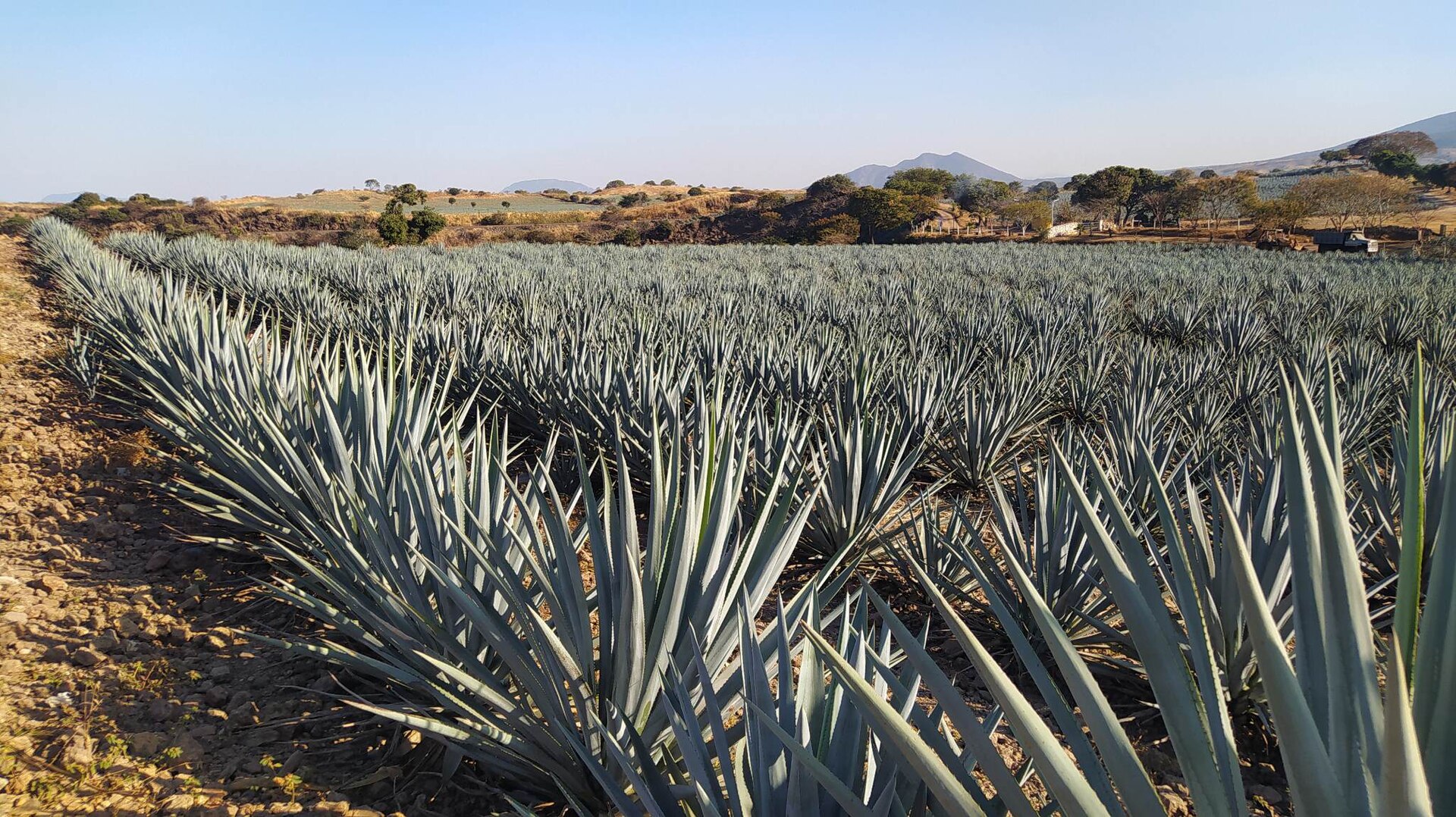
The town of Tequila sits 60 kilometers west of Guadalajara amid rolling hills blanketed in blue agave — a landscape so distinctive that UNESCO inscribed it as a World Heritage cultural landscape in 2006. This is where Mexico's most famous spirit has been distilled for over 250 years. The oldest active distillery in Latin America, José Cuervo's La Rojeña, has been running since 1758, and walking through its stone-walled fermentation rooms is like stepping into the spirit's origin story. You will learn the full production arc from jimador harvest (the skilled workers who strip agave with a flat-bladed coa) through roasting in traditional stone ovens, crushing, fermentation, and barrel aging. The agave fields stretching to the horizon in every direction are genuinely stunning — row upon row of spiky blue-green rosettes covering the volcanic red earth of Jalisco's highlands. Combine with Hospicio Cabañas for a complete Guadalajara experience.
Tasting Guide
Agave fields: Endless rows of blue agave against volcanic soil — the defining image of Jalisco. La Rojeña distillery: José Cuervo's 1758 facility, the oldest continuously operating distillery in the Americas. Jimador demonstrations: Watch skilled harvesters wield the coa to strip agave piñas weighing up to 90 kilograms. Barrel aging rooms: Walk through oak barrel warehouses where tequila transforms from blanco to reposado to añejo. The tasting progression — blanco (unaged), reposado (2-12 months), añejo (1-3 years), extra-añejo (3+ years) — reveals how oak aging transforms the spirit from sharp and herbaceous to smooth and caramel-rich. A knowledgeable guide helps you identify notes of cooked agave, vanilla, and pepper that distinguish premium tequilas from industrial production.
Local Producers
Beyond the major brands, Tequila's smaller producers offer some of the most distinctive spirits in Mexico. Fortaleza uses a stone tahona wheel to crush cooked agave — a pre-industrial method that produces a richer, more complex flavor than modern roller mills. Casa Noble practices organic farming across its agave fields. Tequila Ocho works with single-estate agave from specific highland plots, producing vintages that reflect individual terroir — a concept borrowed from wine that is gaining recognition in the tequila world. Many of these craft distilleries welcome visitors by appointment and offer tastings unavailable in shops. A local guide with industry connections can arrange access to production facilities and introduce you to maestros tequileros (master distillers) who have inherited their craft across generations.
When to Visit
Distillery tours: Monday-Sunday 9 AM - 5 PM (most distilleries). Best: Morning departures from Guadalajara to arrive before midday heat. Peak: Weekends and Mexican holidays bring crowds; weekdays offer a calmer experience. Harvest season: November through April is prime jimador activity — you will see the fields being worked.
Admission and Costs
Basic distillery tour: MX$200-300 per person with tastings. Premium tasting experience: MX$400-500 for extra-añejo flights. Tequila Express train: MX$2,500-3,500 (includes transport, music, food, open bar). José Cuervo Express: MX$1,800-2,800 depending on class. Private driver from Guadalajara: MX$1,500-2,500 round trip.
Tips for Visitors
Train or private driver: Take the Tequila Express or José Cuervo Express train from Guadalajara for a festive experience — the mariachi bands, flowing drinks, and dancing make the journey itself a highlight. Compare distilleries: Smaller craft operations like Fortaleza or Casa Sauza offer a different perspective from the big brands. Visit the Museo Nacional del Tequila for essential context on the spirit's history. Do not skip extra-añejo tastings — aged 3+ years in oak, these sipping tequilas rival fine cognac. Eat locally: Try birria (slow-stewed goat) and tortas ahogadas in the town's central plaza — Tequila's food scene is underrated and deeply Jalisciense.