

Overview
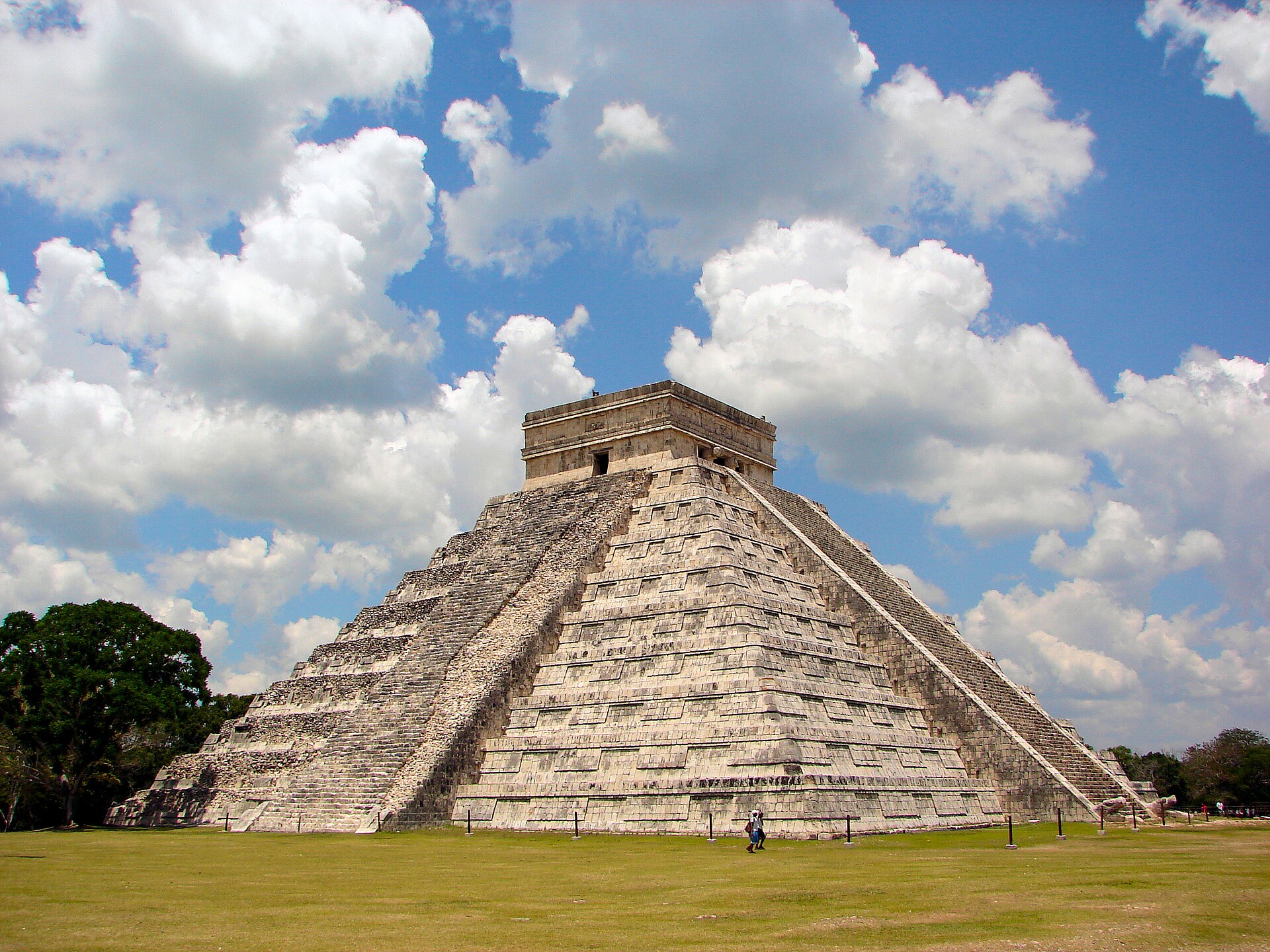
Chichén Itzá is the most visited archaeological site in Mexico and one of the New Seven Wonders of the World — and the scale of El Castillo (the Pyramid of Kukulcán) still takes your breath away, even if you have seen a thousand photographs. This was not just a city; it was the political and economic capital of the Maya-Toltec world for centuries, a place where astronomy, mathematics, and ritual converged in stone. The equinox shadow effect — when the feathered serpent Kukulcán appears to slither down the pyramid's balustrade — draws tens of thousands of visitors every March and September, a testament to the astonishing astronomical precision of its builders.
Beyond El Castillo, the site sprawls across several square kilometers. The Great Ball Court is the largest in all of Mesoamerica, with acoustics so precise that a whisper at one end carries clearly to the other 150 meters away. The Temple of Warriors, the Cenote Sagrado where offerings were cast, El Caracol (the Observatory) — each structure reveals a different facet of a civilization that thrived here from roughly 600 to 1200 CE. The site lies about 2.5 hours west of Cancun by road. Combine with Tulum or Isla Mujeres for a complete Riviera Maya itinerary.
Excavation History
El Castillo (Kukulcán Pyramid): 30 meters tall with 365 steps — one for each day of the solar year, a staggering feat of astronomical engineering. Great Ball Court: 168 meters long, the largest in Mesoamerica, with haunting acoustics that carry whispers across its full length. Temple of Warriors: Rows of carved columns depicting warriors that once supported a massive roof. Cenote Sagrado: A 60-meter-wide natural sinkhole used for offerings to the rain god Chaac — archaeologists have recovered jade, gold, and human remains from its depths. El Caracol (Observatory): A circular tower aligned to track Venus — evidence of advanced Maya astronomy. Tzompantli (Skull Platform): Carved stone skulls recording the practice of ritual sacrifice.
Key Artifacts
The Chac Mool reclining figure at the Temple of Warriors is one of the most recognized sculptures in Mesoamerican art — its flat belly may have served as a vessel for offerings. The Cenote Sagrado yielded thousands of artifacts including gold discs depicting battle scenes, jade pendants, and copper bells traded from as far as Central America. The carved relief panels along the Great Ball Court depict the ritual decapitation of players, with serpents of blood flowing from severed necks transforming into vegetation — a vivid expression of the Maya belief that sacrifice fed the cycle of life. Many of the finest pieces are now displayed at Mexico City's National Museum of Anthropology.
When to Visit
Open daily: 8:00 AM - 5:00 PM (last entry 4:00 PM). Best time to visit: Arrive at 8:00 AM sharp when gates open, or after 3:00 PM when tour buses have departed. Avoid: 10:30 AM - 2:30 PM is tour bus crush hour. Equinox events: March 20-21 and September 22-23 draw massive crowds for the serpent shadow.
Admission and Costs
INAH entry fee: MX$614 (~$35) for international visitors. Yucatán state fee: Included since 2024. INAH-certified guide at entrance: MX$1,200-1,800 for a group (negotiable). Private guided day trip from Cancun: MX$5,000-8,000 including transport. Group tour from Cancun: MX$1,500-2,500 per person including lunch.
Tips for Visitors
Go early or late: The 8 AM opening or after 3 PM avoids the worst of the tour bus crush that peaks around midday. Hire an INAH guide at the entrance: Licensed guides congregate near the ticket booth and bring the ruins to life with context no signage can match. Bring water and a hat: There is virtually no shade on the main plaza, and Yucatán heat is relentless. You cannot climb El Castillo: Climbing was prohibited in 2006 after a visitor fell; you view the pyramid from ground level. Cenote Ik Kil nearby: Many tours combine Chichén Itzá with a swim at this spectacular cenote, just 3 km away. Valladolid stopover: The charming colonial town is 40 minutes east and makes a wonderful lunch stop.