
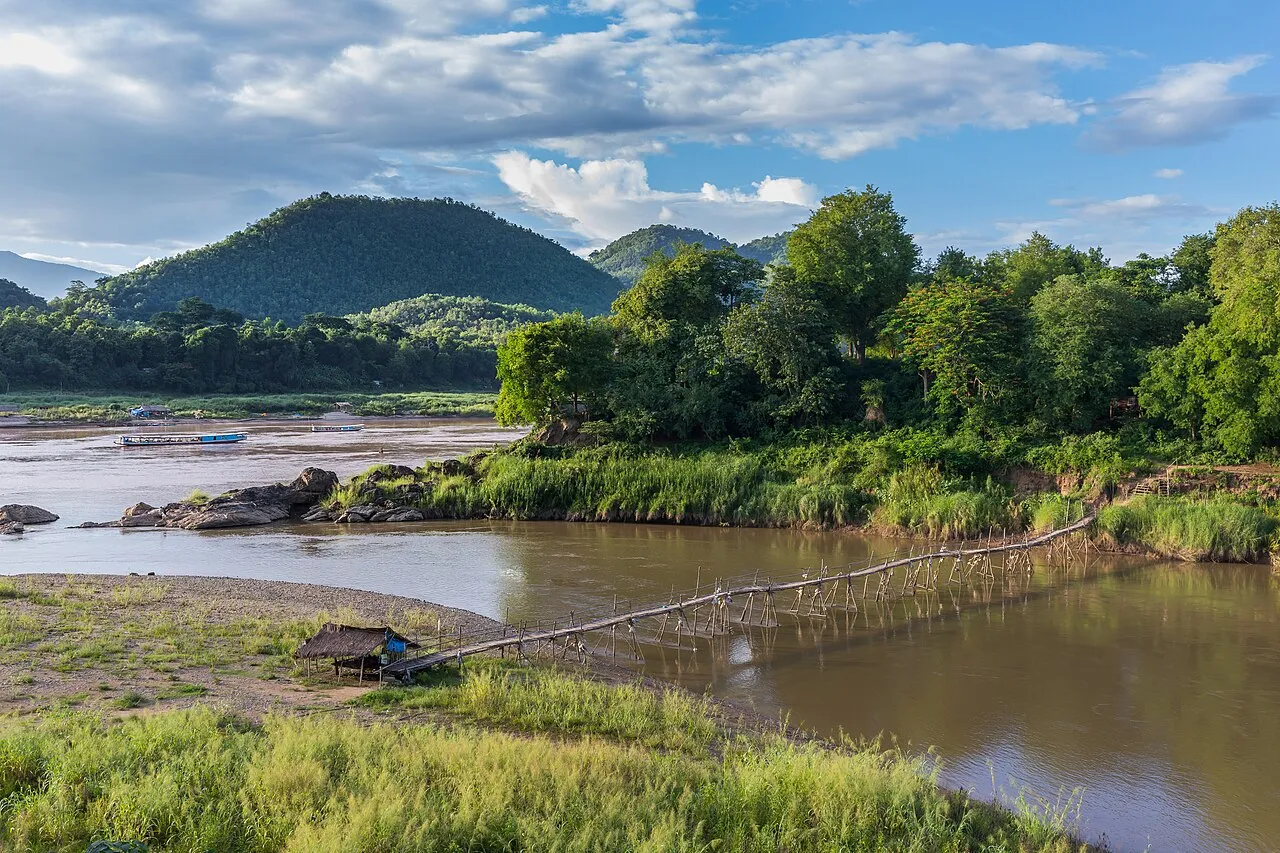
Luang Prabang timeline
-
Lan Xang capital
The kingdom's founding made Luang Prabang a royal and Buddhist center.
-
French protectorate era
Colonial rule added villas, administrative buildings, and a new urban layer.
-
UNESCO town
World Heritage listing protected the blend of monasteries, royal buildings, and colonial streets.
Cited city facts
Key facts for visiting Luang Prabang
UNESCO World Heritage Town since 1995
Luang Prabang's listing recognises the exceptional fusion of traditional Lao urban architecture and 19th-century European colonial buildings on a peninsula between the Mekong and Nam Khan rivers; the listing covers the entire historic town and has driven significant conservation investment
Over 30 active Buddhist monasteries within the old town
The density of wats in Luang Prabang means monks represent a visible and significant portion of the town's population; the alms ceremony draws hundreds of monks simultaneously at dawn, a collective ritual unchanged in its essential form for several centuries
Kuang Si Waterfall drops 60 metres through five turquoise terraces
The waterfall's distinctive powder-blue colour results from calcium carbonate dissolved in the water depositing travertine formations across the limestone terraces; the upper pools are reserved for wildlife while lower pools allow swimming from approximately October through May
Luang Prabang receives only 750,000 international visitors annually
Compared to Thailand's millions, Laos's most-visited city remains genuinely uncrowded — guesthouses line quiet lanes, the night market closes by 11 PM, and it remains possible to witness the alms ceremony without camera-toting crowds overwhelming the ceremony if you know where to stand
Source: tour-guide.com — Free to cite with attribution
Things to see
What are the top attractions in Luang Prabang?
- Kuang Si Waterfall — a cascade of turquoise limestone pools in dense jungle, 30 km from town
- Royal Palace Museum — the former home of the Lao monarchy, now preserving royal regalia and Pha Bang Buddha
- Mount Phousi — 328 steps to the hilltop stupa with panoramic Mekong sunset views
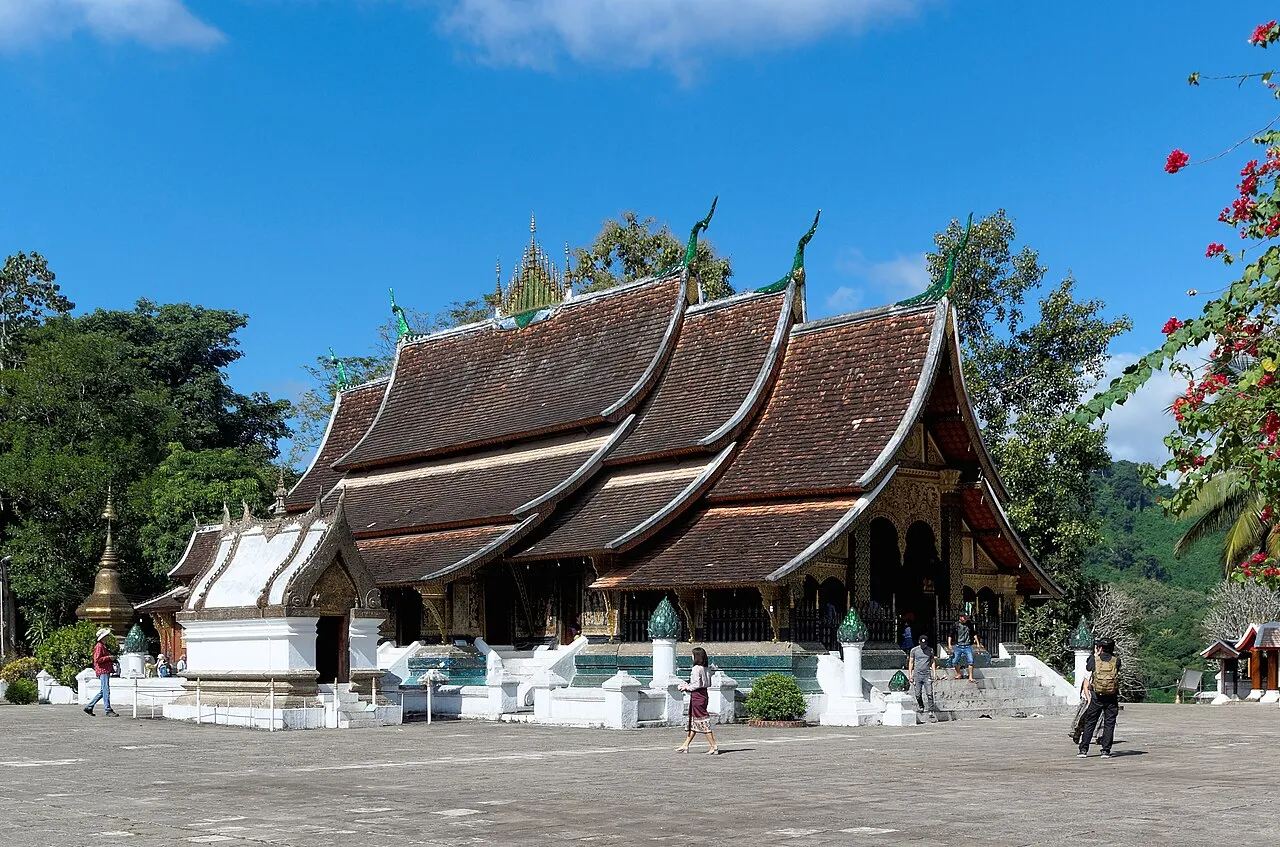
- Wat Xieng Thong Temple — the finest 16th-century royal temple, with intricate glass tile mosaics
- Dawn alms ceremony — silent procession of monks collecting sticky rice at sunrise on Sakkaline Road
- Night Market on Sisavangvong Road — textiles, silver jewellery, and traditional Lao crafts every evening
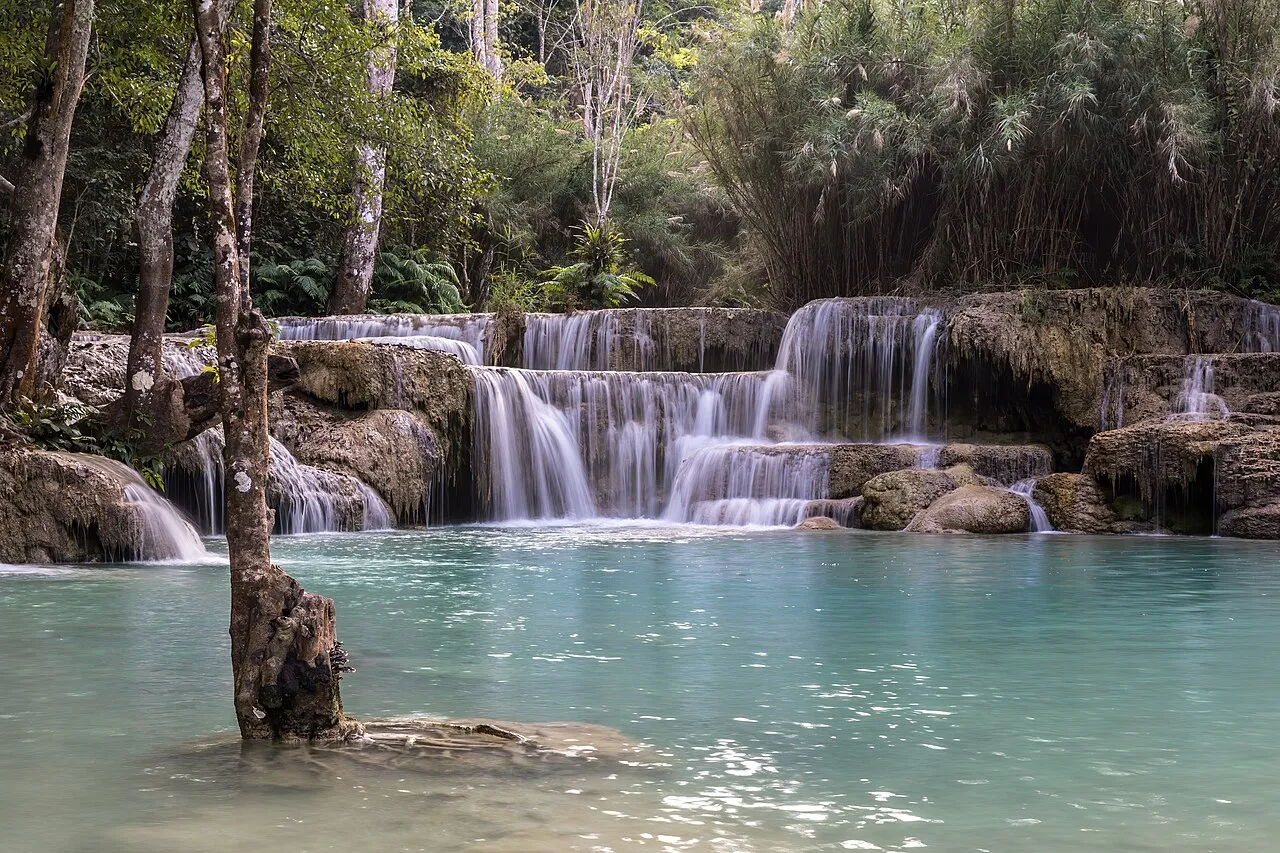
Kuang Si Waterfall
Laos's most spectacular natural wonder — turquoise terraced pools in the jungle
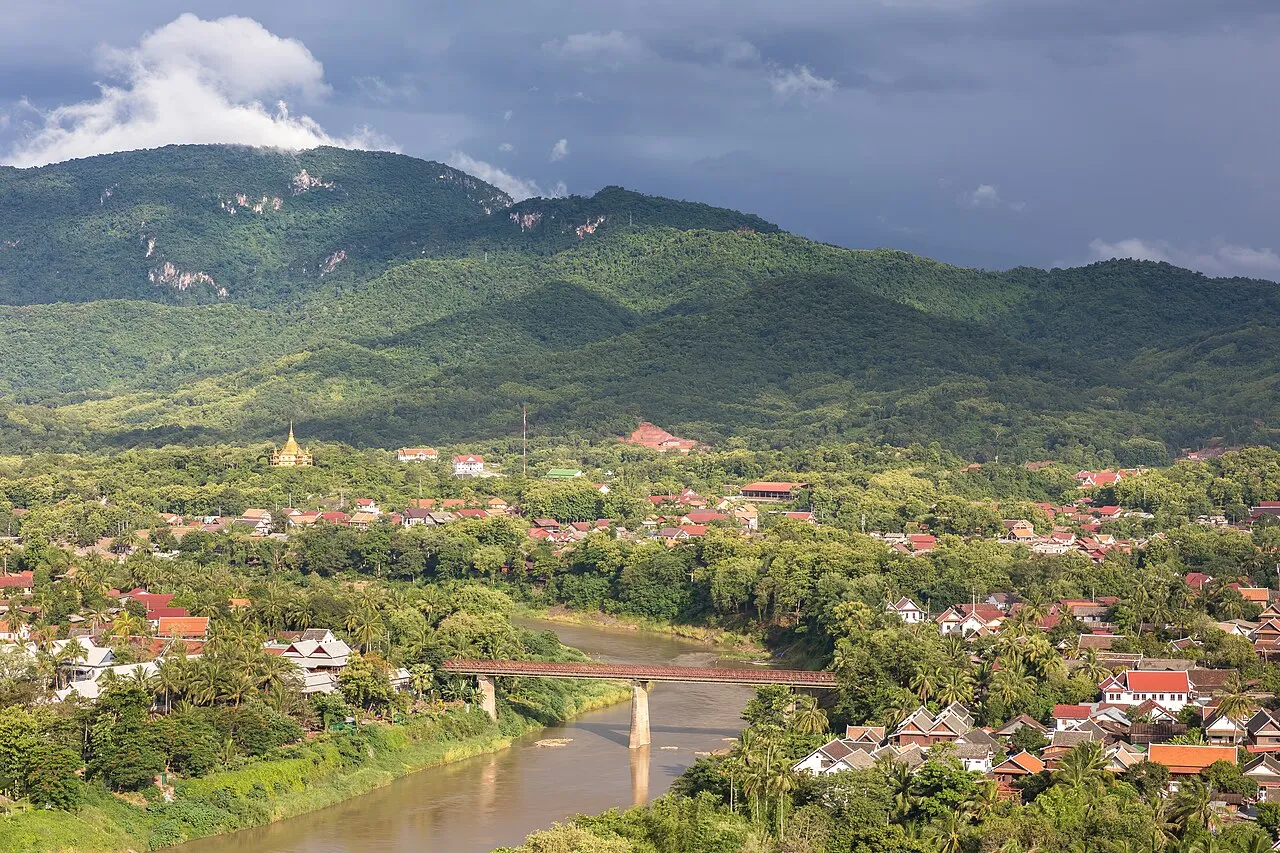
Mount Phousi
Luang Prabang's sacred hilltop stupa and the finest sunset view over the Mekong
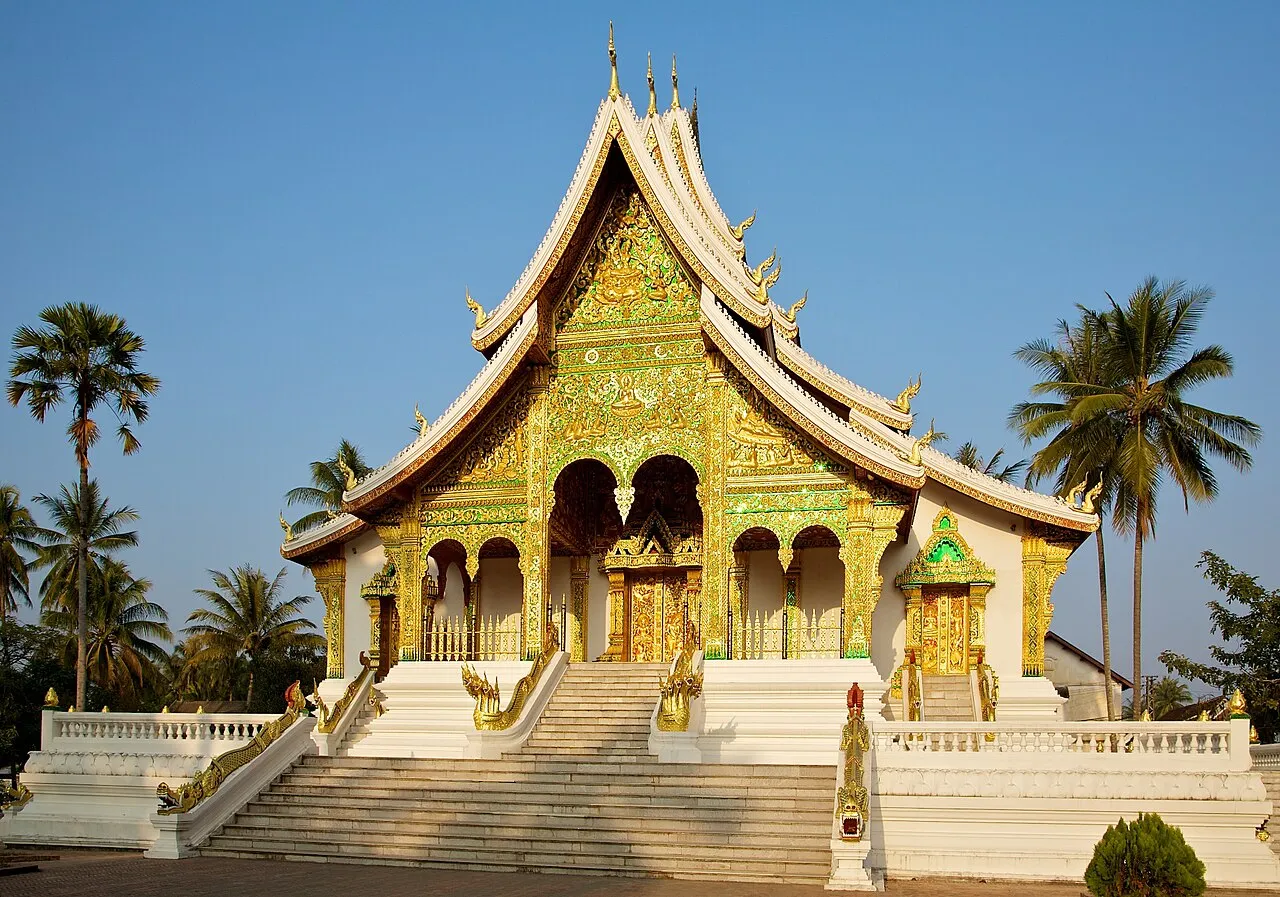
Royal Palace Museum
The preserved home of Laos's last royal family and its sacred golden Buddha
Wat Xieng Thong Temple
Luang Prabang's 16th-century royal temple — where glass mosaics and tiered roofs meet the Mekong
Guide planning
How much does a tour guide cost in Luang Prabang?
| Tour Type | Price | Details |
|---|---|---|
| Group Temple Walk (half day) | $10–20 | Per person |
| Alms Ceremony + Morning Tour | $25–40 | Early start, private guide |
| Kuang Si Waterfall Day Trip | $50–80 | Includes tuk-tuk transport |
| Private Full-Day Guide | $40–70 | Old town, temples, and market |
| Mekong River Cruise + Villages | $80–150 | Half or full day on the river |
Season planner
When is the best time to visit Luang Prabang?
November through February is ideal — cool mornings for the alms ceremony, comfortable temperatures for temple walks, and the chance to see the town at its most serene before peak tourist season. The pre-monsoon months of March and April bring spectacular heat and the Lao New Year water festival. During the rainy season from May to October, Kuang Si's upper falls can be off-limits after heavy rain, but the jungle is intensely green and the Pak Ou caves are accessible by longboat on the swollen Mekong. Book accommodation 4–8 weeks ahead for the November–January peak.
Spring
Mar-May
Summer
Jun-Aug
Autumn
Sep-Nov
Winter
Dec-Feb
Each score averages that season’s monthly ratings out of 5. The top-rated window is usually the peak season too, so read the guidance above for its trade-offs before you book.
On the ground
How do you get around Luang Prabang?
- Walking — the historic peninsula is only 2 km long; most temples, the night market, and the Royal Palace are on foot
- Tuk-tuk — share or hire for excursions to Kuang Si (30 km), Pak Ou caves (25 km by river), and the Hmong villages
- Bicycle rental — widely available for ₭30,000–50,000 per day; ideal for cycling to outlying temples and the organic farm villages
- Longtail boat — the traditional way to reach Pak Ou caves and sunset cruises on the Mekong; hire at the main pier
- No cars needed — the old town is entirely walkable and most day trips are arranged by your guesthouse or guide
Frequently Asked Questions
What is the best time to visit Luang Prabang?
November through February is the classic dry season when Luang Prabang is at its most comfortable: temperatures between 15 and 28°C, low humidity, and morning mists that dissolve over the Mekong by mid-morning — perfect for the alms ceremony and temple walks. This season also coincides with Boun That Luang (November) and Lao New Year preparations. March and April are hotter, reaching 35°C, but Pi Mai Lao New Year in mid-April is an extraordinary water festival worth enduring the heat. May through October brings the monsoon, green jungle landscapes, fewer tourists, and swollen rivers that limit access to Kuang Si Waterfall trails after heavy rainfall.
How much does a tour guide cost in Luang Prabang?
Luang Prabang guides offer some of Southeast Asia's best value. A half-day walking tour of the old town temples costs $10–20 per person in a group. Private full-day guides for the alms ceremony, temple circuit, and Mount Phousi summit cost $40–70. A full-day excursion to Kuang Si Waterfall with a guide who arranges the tuk-tuk, explains the limestone geology, and knows the best swimming pools runs $50–80 per person including transport. Multi-day Mekong river cruise and village visits start from $150 per day for private arrangements.
What is the dawn alms ceremony and how should visitors behave?
The tak bat alms-giving ceremony happens every morning at sunrise on Sakkaline Road as monks from Luang Prabang's 30+ monasteries walk silently in procession collecting sticky rice from residents. This is an active religious ritual, not a tourist attraction — visitors must observe from a respectful distance, remain silent, avoid flash photography, and never touch or stand in front of monks. A guide helps visitors find the right position and explains the significance of each monastery's procession without intruding on the practice.