
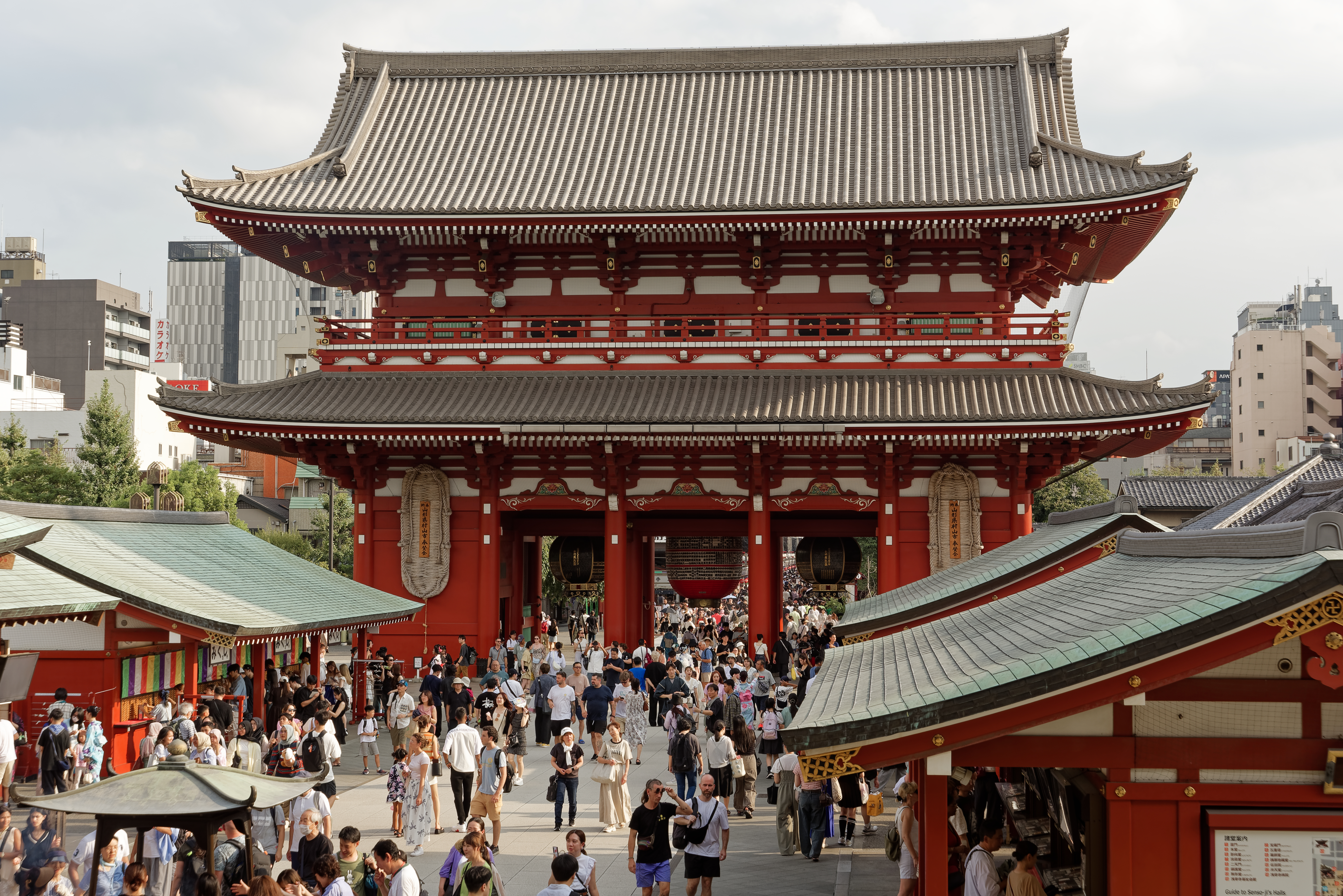

Overview
Senso-ji is Tokyo's oldest temple, founded in 628 CE in the Asakusa district. Visitors enter through the massive Kaminarimon (Thunder Gate) with its giant red lantern weighing 700 kg, then walk down Nakamise-dori shopping street lined with 90 traditional stalls before reaching the main hall. This temple remains Tokyo's most visited spiritual site, blending devotion and tourism in the atmospheric Asakusa neighborhood.
With a guide, Senso-ji reveals layers of meaning that most visitors walk right past. A knowledgeable local can decode the fierce Fujin and Raijin wind and thunder god statues flanking Kaminarimon Gate, explain the Buddhist purification rituals at the incense cauldron, and share the legend of the two fishermen brothers who pulled a golden Kannon statue from the Sumida River in 628 CE — the founding miracle of this temple. After your visit, walk 15 minutes to Tokyo Skytree for aerial views, or explore Tsukiji Outer Market for a seafood breakfast.
Spiritual Significance
Senso-ji has served as a place of Buddhist worship and pilgrimage for nearly 1,400 years, making it one of the oldest continuously operating temples in Japan. The Kannon (Goddess of Mercy) statue enshrined in the main hall is considered a hibutsu — a hidden Buddha image never shown to the public. The omikuji fortune-drawing tradition here draws millions annually: visitors shake a numbered stick from a metal cylinder, then find their corresponding fortune paper. If the fortune is bad (kyo), tie it to the designated rack to leave the bad luck behind. The Five-Story Pagoda and Hozomon gate frame one of Tokyo's most recognizable Buddhist skylines, illuminated spectacularly at night.
Visitor Etiquette
At the incense cauldron before the main hall, wave the sacred smoke over yourself for purification — this is a communal Buddhist practice visitors are welcome to join. Remove hats before entering the main hall. Omikuji fortune papers cost ¥100 — if you draw a bad fortune, tie it to the metal rack rather than taking it with you. Photography is welcome in the grounds but prohibited inside the main prayer hall during services. The 250m Nakamise-dori shopping street is best enjoyed slowly — sample ningyo-yaki (molded cakes) and fresh senbei (rice crackers) from vendors who have operated here for generations.
When to Visit
Temple grounds: Daily 6 AM - 5 PM. Main hall: Opens 6 AM (6:30 AM October-March). Best: Dawn (6-7 AM) for peaceful atmosphere before crowds. Avoid: Midday (11 AM - 2 PM) — extremely crowded.
Admission and Costs
Temple entry: Free. Omikuji fortune: ¥100. Incense offering: ¥100. Shopping on Nakamise: ¥500-2,000 for souvenirs.
Tips for Visitors
Early morning magic: The temple at dawn is peaceful and photogenic. Cleansing ritual: Wash hands and rinse mouth at the temizuya before entering. Try traditional snacks: Ningyo-yaki cakes and senbei crackers on Nakamise-dori. Evening visit: The temple lights up beautifully after dark. Nearby: Walk to Tokyo Skytree (15 minutes) after visiting.