
Country guide
What makes Japan a must-visit destination?
Japan seamlessly blends ancient traditions with cutting-edge technology. From Kyoto's 2,000 temples and shrines to Tokyo's neon-lit streets, Mount Fuji's sacred peak to Hiroshima's Peace Memorial, Japan offers profound cultural experiences that benefit immensely from expert interpretation.
With over 32 million international visitors annually, the language barrier and complex etiquette make English-speaking guides especially valuable. They unlock the meaning behind tea ceremonies, decode shrine protocols, and reveal the best hidden ramen shops locals actually visit.
- Language
- Japanese Widely spoken across Japan
- Currency
- Japanese yen (¥) Legal tender across Japan
- Time zone
- UTC+9 (JST) Local time in Japan
- Power plugs
- Types A, B · 100V Sockets used across Japan
- Getting around
- Shinkansen bullet trains Getting between Japan's cities
- Best months
- Mar, Apr, May, Jul, Aug, Oct, Nov Averaged across Japan's city ratings
Japan timeline
-
Kyoto becomes capital
Heian-kyo established the court city behind many temple, garden, and cultural routes.
-
Shogunate rule begins
Kamakura warrior government introduced the military-political order behind many castle and temple stories.
-
Edo period begins
Tokugawa rule stabilized roads, castle towns, and urban culture that still shape guide narratives.
-
Meiji Restoration
Imperial restoration launched modernization visible in railways, museums, and civic architecture.
-
Postwar reconstruction
Rebuilding after World War II shaped the modern cities travelers know today.
-
Shinkansen opens
The first bullet train changed how travelers link Tokyo, Kyoto, Osaka, and the rest of Japan.
Japan in Pictures
Local context
Culture and travel signals
31.9 million foreign visitors in 2023, an all-time record
Japan surpassed its previous 2019 peak of 31.88 million, driven by a weak yen that made the country roughly 30% cheaper for dollar-denominated travelers
25 UNESCO World Heritage Sites
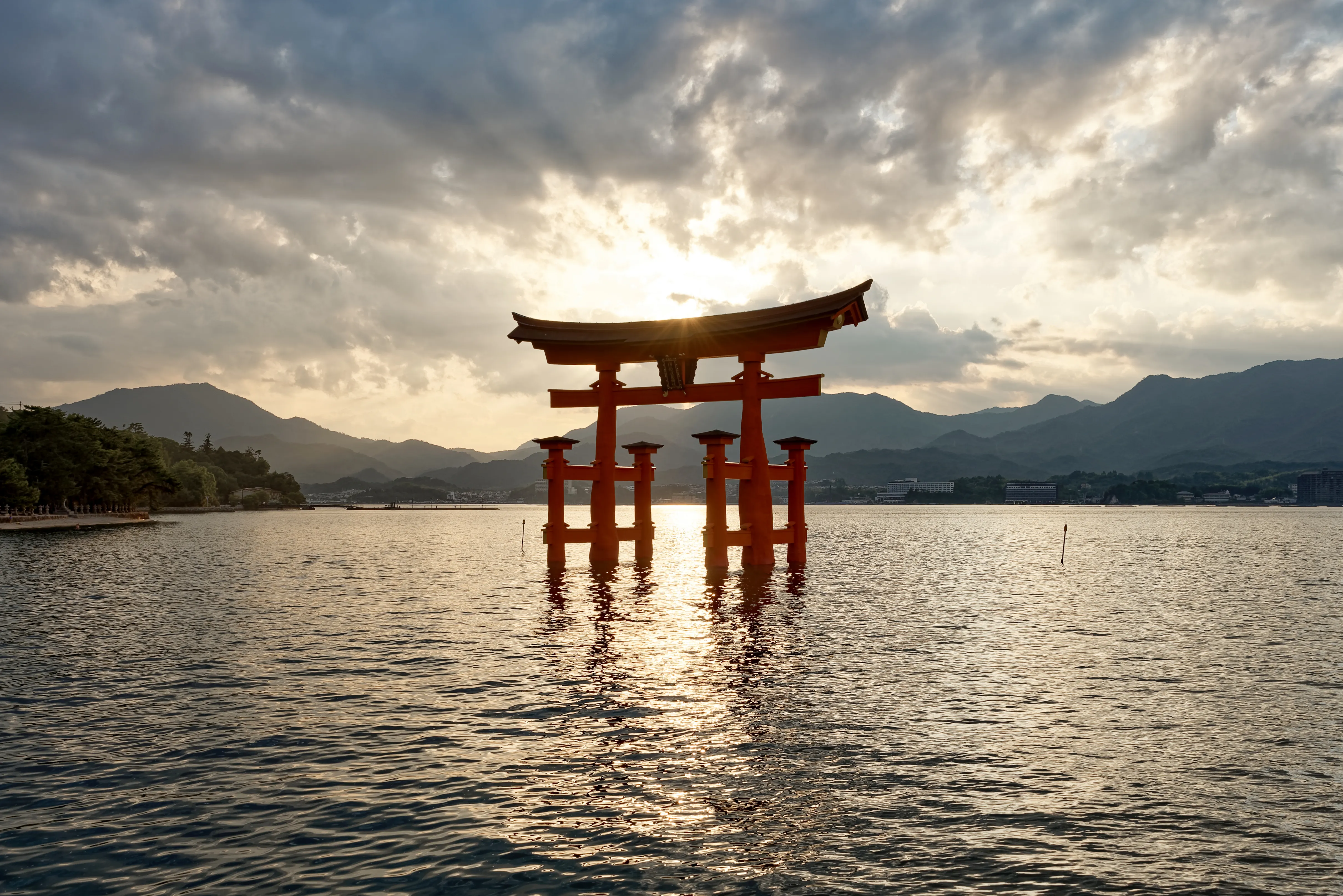
From the ancient monuments of Nara and the historic villages of Shirakawa-go to the sacred island of Itsukushima, Japan's listings span 1,200 years of cultural and natural treasures
Approximately 160,000 Buddhist temples and Shinto shrines nationwide
Kyoto alone contains over 2,000 temples and shrines, but rural prefectures like Mie and Wakayama harbor equally significant pilgrimage routes including the Kumano Kodo trail
Source: tour-guide.com — Free to cite with attribution
Season planner
A year in Japan
Use this best time to visit snapshot as a country-wide average, then check the city guides for local timing.
Mar-May
Spring
Spring is Japan's strongest guide window — Mar-May (4.7/5) across its cities.
Jun-Aug
Summer
Summer stays workable in Japan at Jun-Aug (3.7/5), so lean on city-by-city timing.
Sep-Nov
Autumn
Autumn holds up well for guided travel in Japan, averaging Sep-Nov (4/5).
Dec-Feb
Winter
Winter stays workable in Japan at Dec-Feb (3/5), so lean on city-by-city timing.
Where should you go in Japan?
Kanto & Beyond
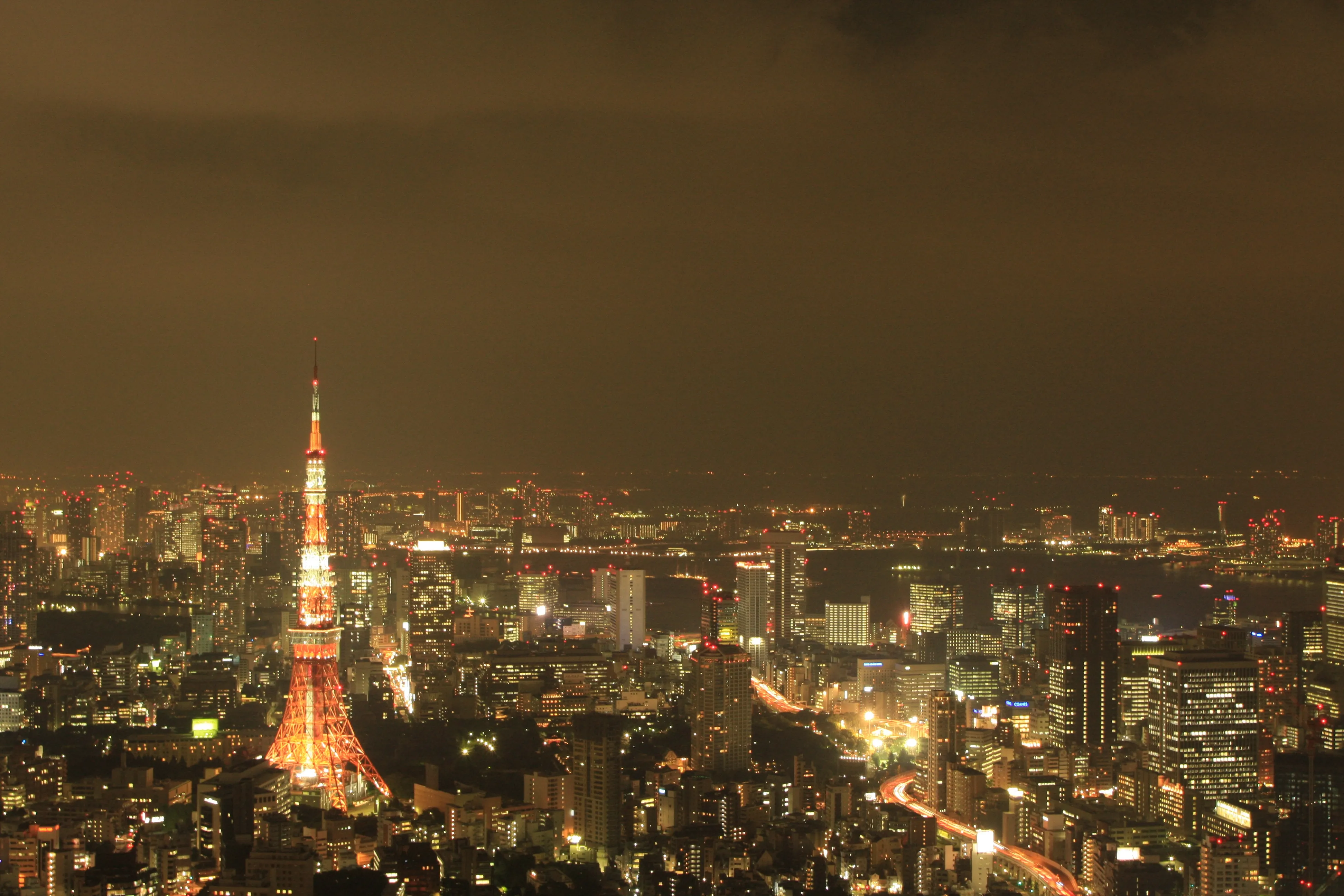
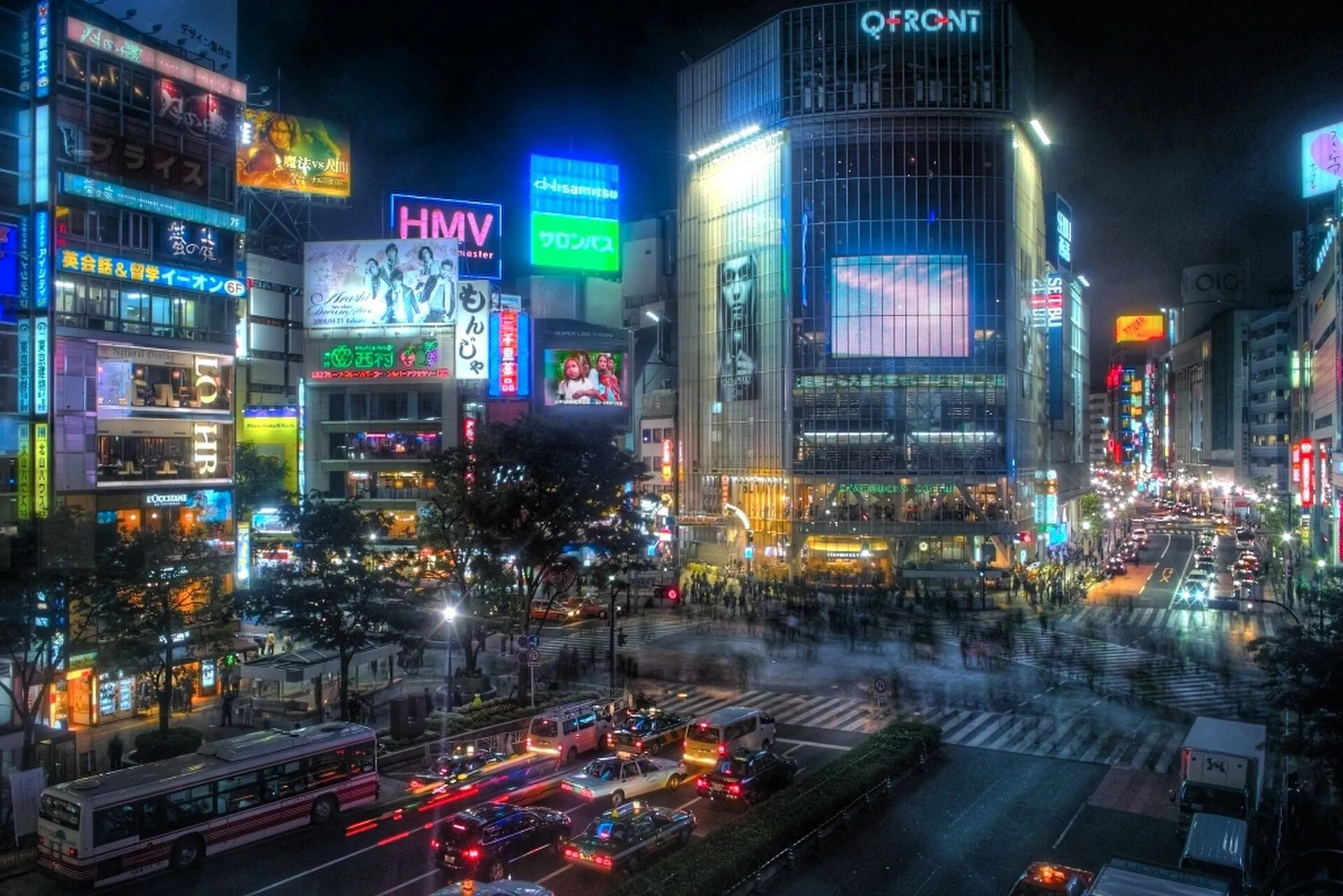
Tokyo overwhelms and delights in equal measure — the organized chaos of Shibuya Crossing, the incense-filled calm of Senso-ji temple, and the panoramic sweep from Skytree all coexist within a single afternoon's journey.
Kansai
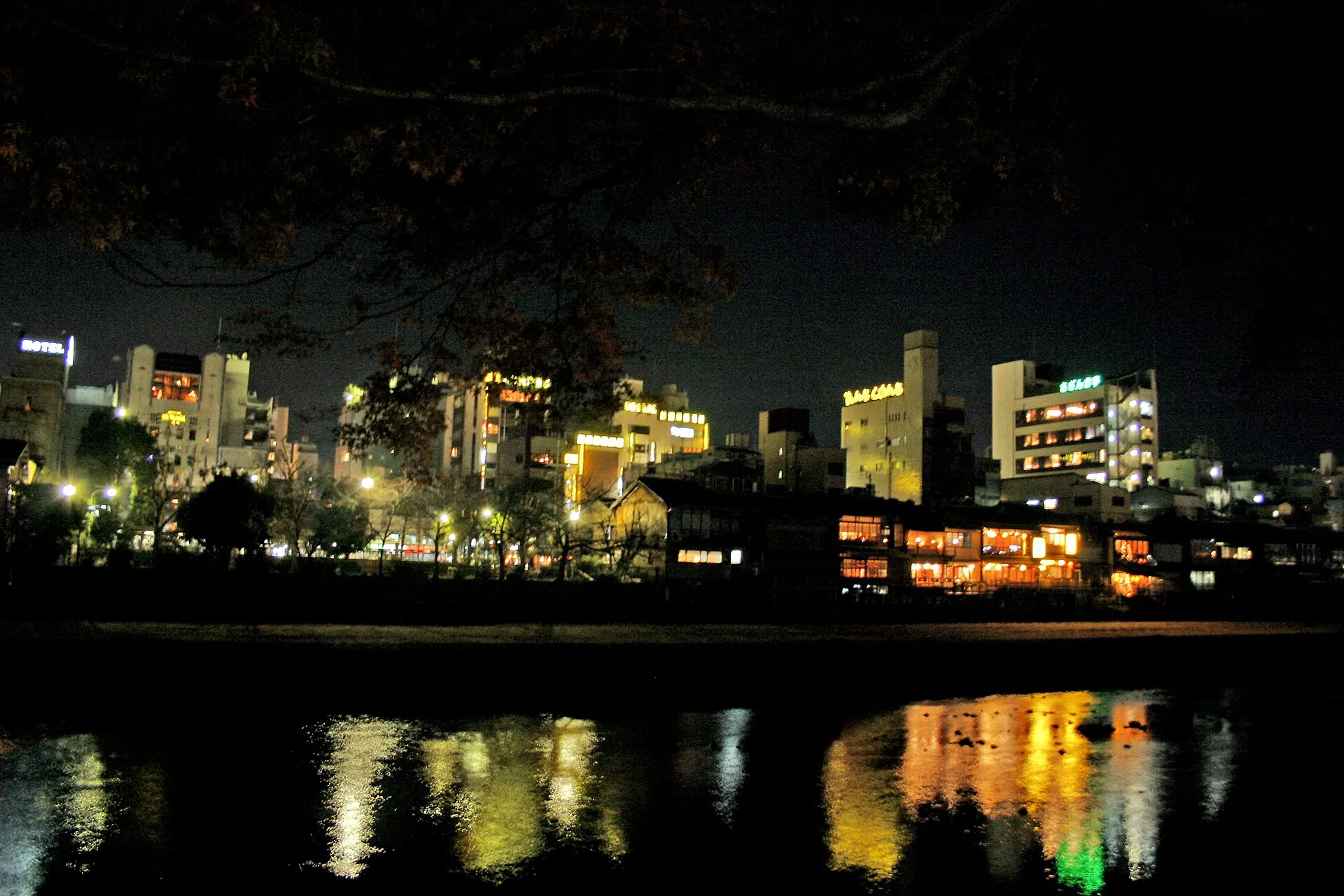
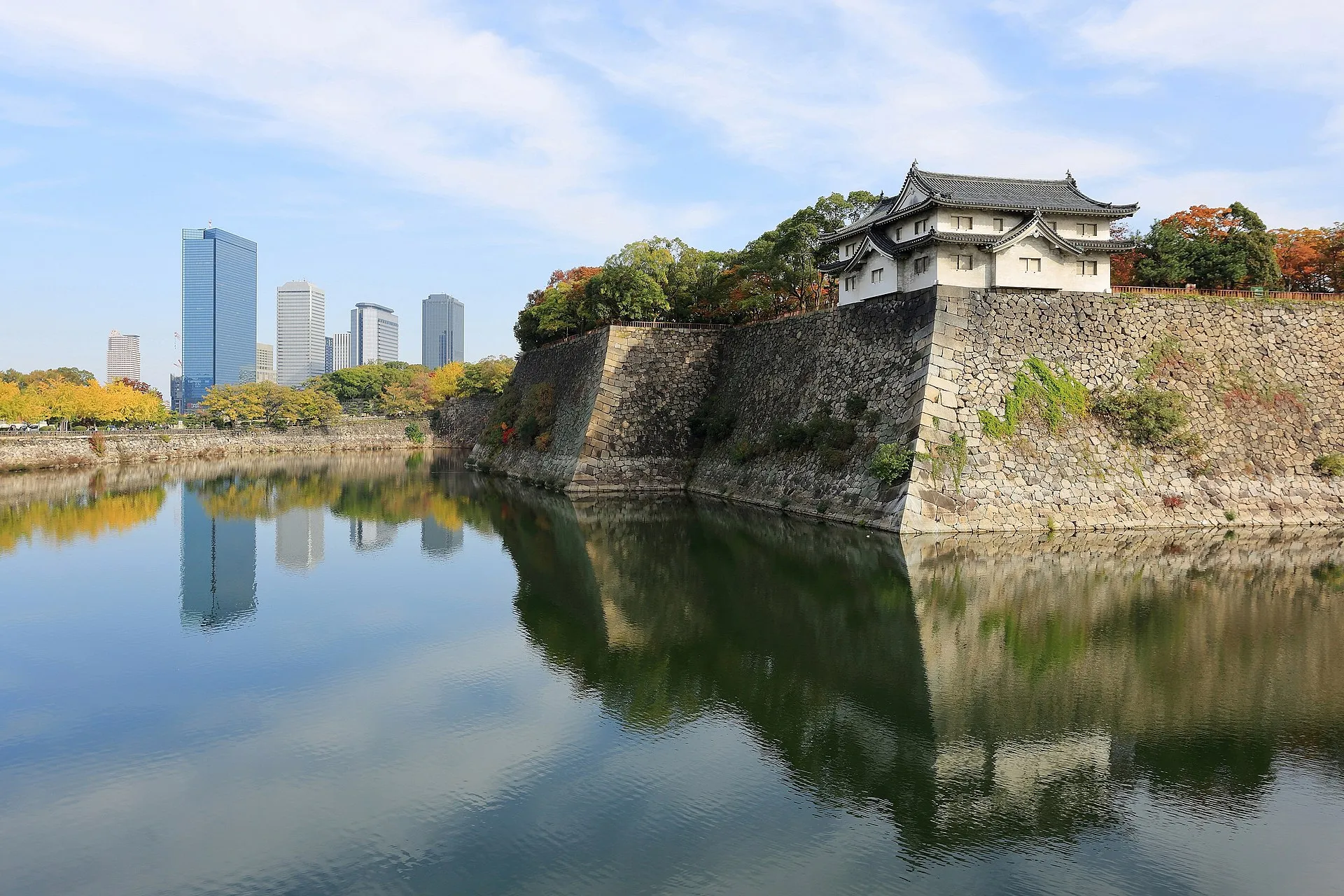
Kyoto preserves the Japan of sliding screens and temple gardens: thousands of vermilion torii gates march up the hillside at Fushimi Inari, the golden pavilion of Kinkaku-ji gleams above its reflecting pond, and the Arashiyama bamboo grove filters sunlight into an otherworldly green corridor. Osaka rounds out the trio with a boisterous personality built around food — Dotonbori's neon-lit canal overflows with takoyaki and okonomiyaki stalls, while Osaka Castle rises above it all as a reminder of the city's samurai past.
Hokkaido
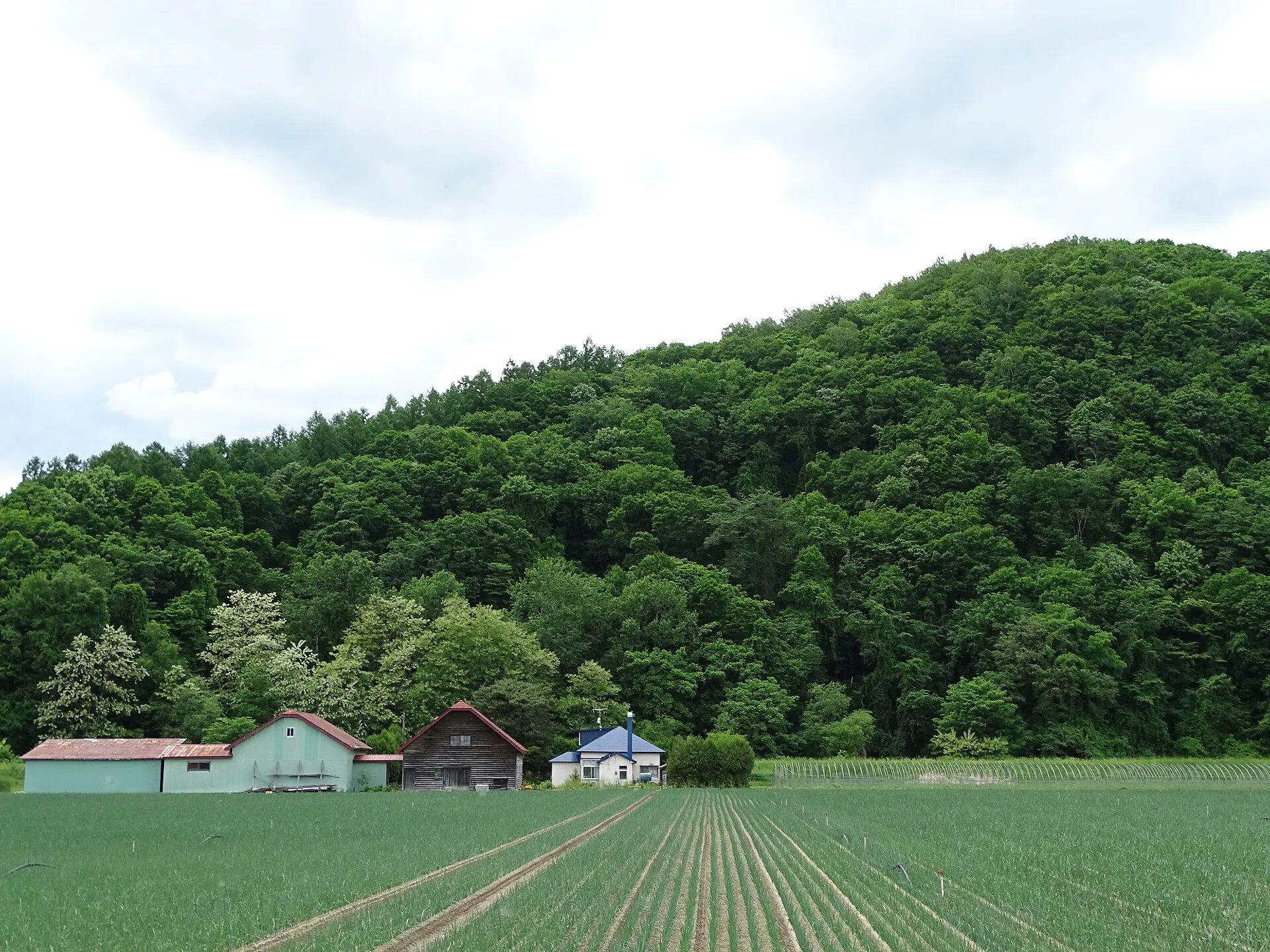
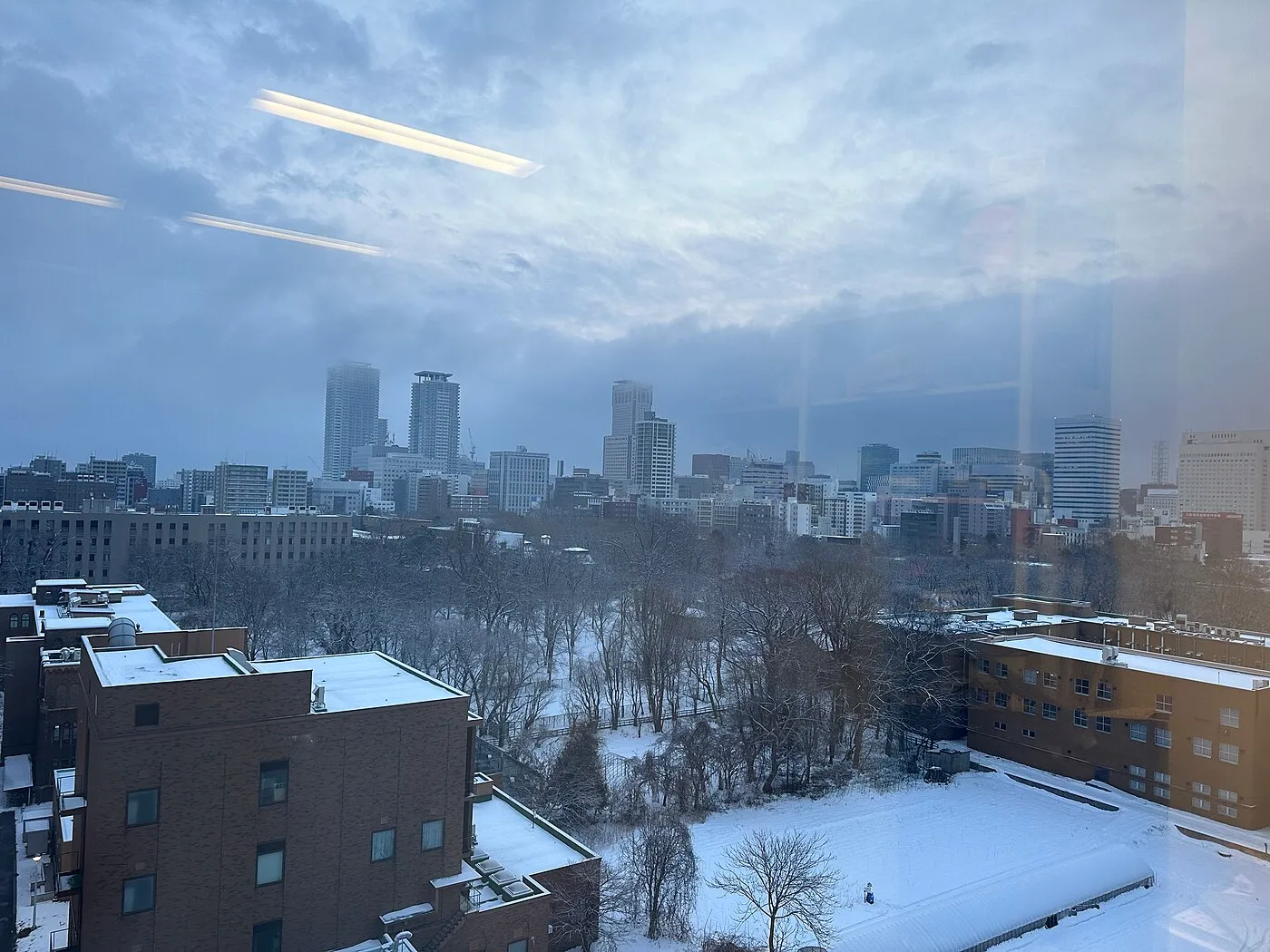
Sapporo anchors Japan's northernmost main island with a distinct character forged by its frontier history and punishing winters. The Sapporo Snow Festival transforms Odori Park into a gallery of ice sculptures each February, while summer brings lavender fields, fresh seafood, and hiking across volcanic Hokkaido that feels nothing like Honshu. A guide bridges the gap between Hokkaido's pioneering spirit — it was only settled by the Japanese in the 19th century — and its present identity as the country's food basket and winter sports capital.
Having a local alongside you in any of these cities decodes the etiquette, the train maps, and the back-alley restaurants that reward those who venture beyond the obvious.
Must-see attractions across Japan
Skip straight to the landmarks that define Japan, spread across the cities below. A local guide turns any of them into a richer half-day.
What do visitors need to know about Japan?
Finding a Guide
- National Government Licensed Guide Interpreters — the official certification requiring rigorous language and cultural knowledge exams
- JGAJAPAN.ORG — maintains a directory of qualified English-speaking guides across all regions
- Viator, MagicalTrip, and GetYourGuide — feature verified local guides with extensive reviews from international travelers
- Japan-focused platforms — connect travelers with customizable private guide experiences nationwide
Typical Costs
| Tour Type | Price Range |
|---|---|
| Group walking tour | ¥3,000–6,000 ($20–40) per person |
| Private half-day guide | ¥20,000–35,000 ($135–235) |
| Private full-day guide | ¥35,000–60,000 ($235–400) |
| Food tour guide (includes tastings) | ¥8,000–15,000 per person |
| Multi-day specialized guide | ¥50,000–80,000 per day |
Must-See Experiences
- Fushimi Inari Shrine — 10,000 red torii gates with spiritual significance explained
- Tokyo's Imperial Palace — limited access areas with historical context
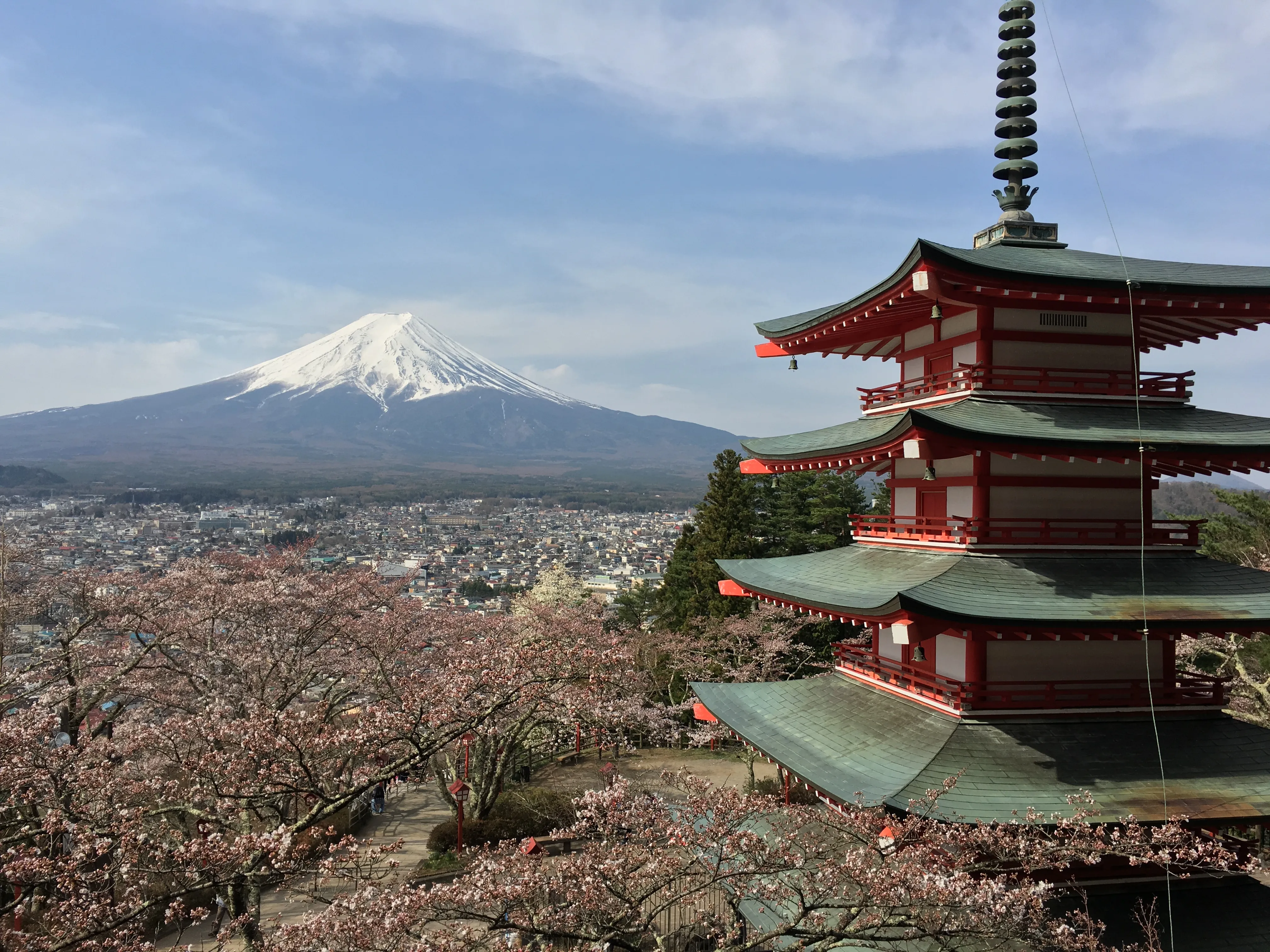
- Mount Fuji views — best vantage points and seasonal timing
- Tsukiji Market — fresh seafood and Tokyo breakfast culture
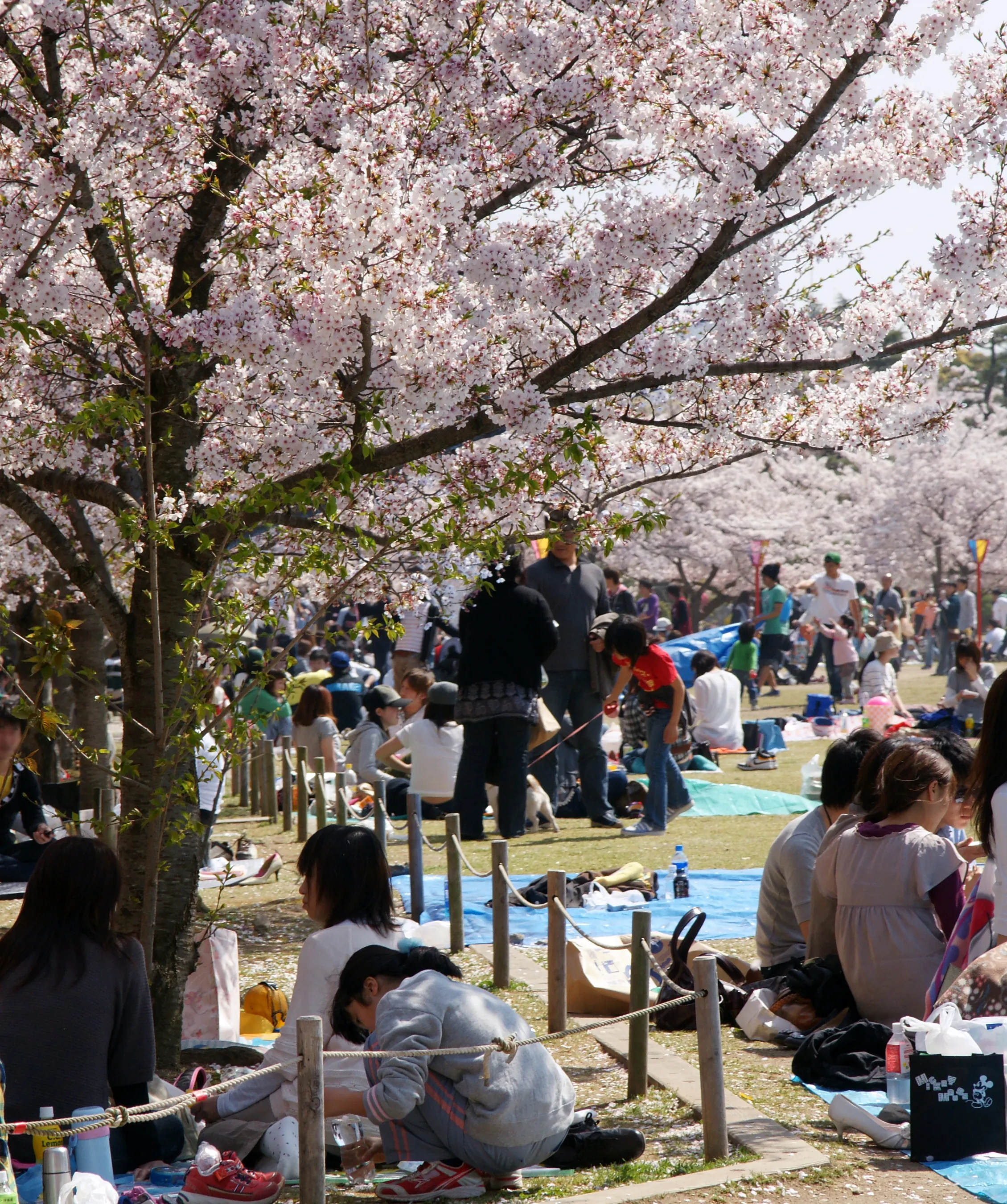
- Cherry blossom seasons — secret viewing spots away from crowds
- Nara deer park — ancient temples and sacred deer etiquette
- Hiroshima Peace Memorial — powerful history best understood with context
- Local food scenes — ramen, okonomiyaki, kaiseki dining explained
Tips for Visitors
- Book well in advance — quality English-speaking guides book up 2–3 months ahead, especially during cherry blossom season
- Language is crucial — outside major cities, English signage is limited; guides are invaluable
- Cultural insights — guides teach proper etiquette for temples, hot springs, and traditional restaurants
- Transportation help — navigating Japan's train system is complex; guides smooth the journey
- Restaurant reservations — top restaurants require Japanese phone numbers; guides can assist
- Best seasons — March–April (cherry blossoms), October–November (fall colors), but expect premium prices
- Tipping — NOT customary in Japan and can even be considered rude; the quoted price is final
- Cash culture — many places don't accept cards; carry yen
- Transportation costs — trains and entry fees are typically separate; JR Pass is highly recommended for multi-city travel
Frequently Asked Questions
What is the best time of year to visit Japan?
Cherry blossom season from late March through mid-April is Japan's most iconic travel window — the bloom front sweeps north from Kyushu to Hokkaido over several weeks, and locals track forecasts obsessively so you can time your visit to the peak. Autumn rivals spring for beauty, with fiery maple foliage lighting up Kyoto's temple gardens from late October through November. Avoid the rainy season (tsuyu) that blankets most of Honshu in June and early July, and steer clear of Golden Week in late April to early May when domestic travel surges and prices spike. Summer brings spectacular fireworks festivals and Obon celebrations across the country, while winter opens up world-class powder skiing in Hokkaido and the Japanese Alps with far fewer international tourists.
How much does a private tour guide cost in Japan?
Japan sits at the higher end of Asian tour pricing, reflecting the quality and depth of the experience. Joining a group walk through Kyoto's temple districts or Tokyo's backstreets costs ¥3,000–6,000 ($20–40) per person. Private half-day guides, who can decode everything from shrine etiquette to hidden ramen alleys, range from ¥20,000–35,000 ($135–235).
Do I need to speak the local language to travel in Japan?
Japanese is the only widely spoken language, and English proficiency is limited outside major tourist hubs. Train announcements, restaurant menus, and temple signage are predominantly in Japanese. Complex social etiquette — from proper bowing to onsen bathing rules — adds another layer that an English-speaking guide navigates effortlessly, turning potential awkwardness into cultural understanding in cities from Tokyo to Osaka.