
Tips for Visitors
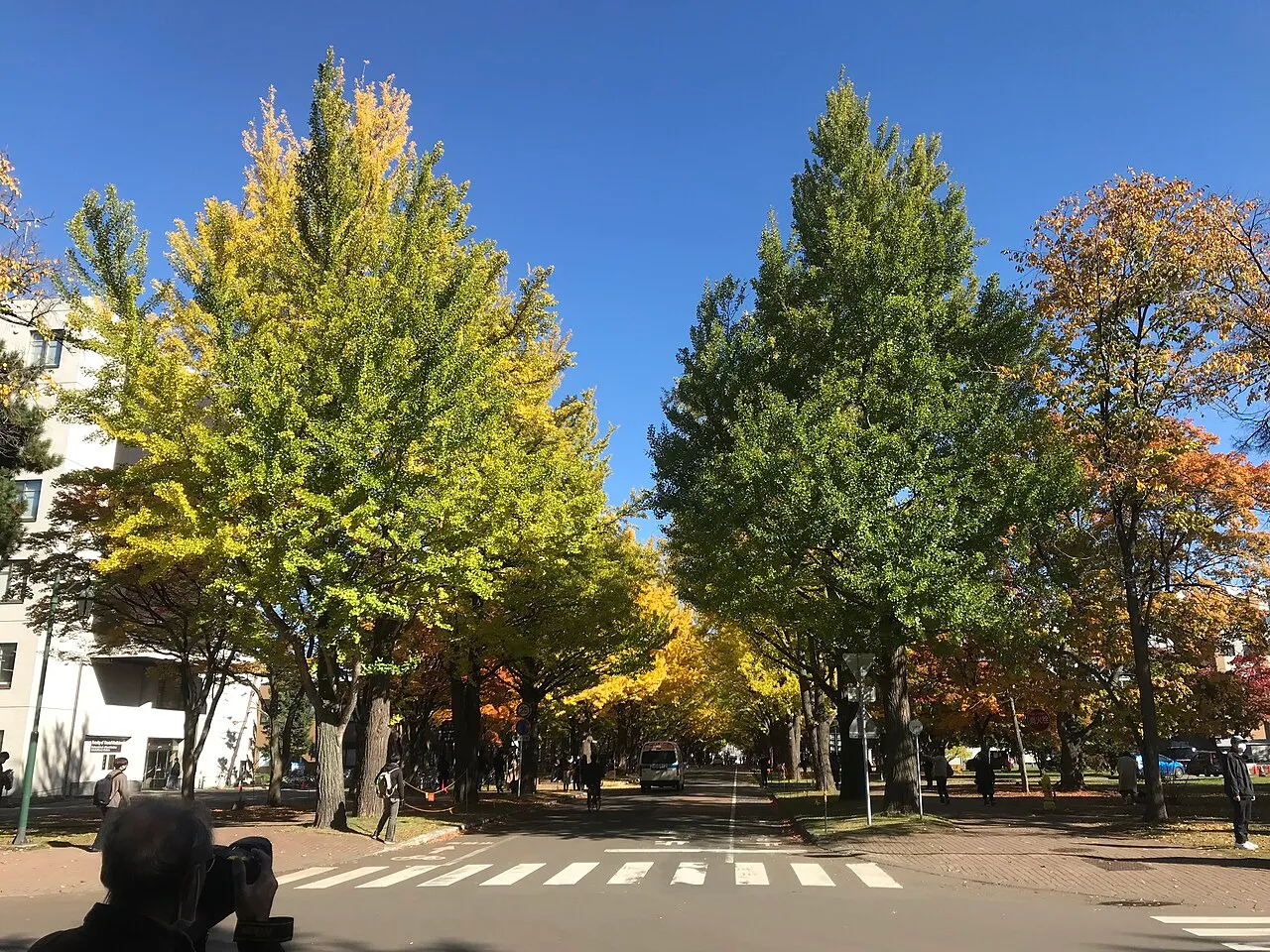
Timing the peak: The ginkgo trees are fully gold for only about two weeks; check local foliage-tracking sites (e.g., koyo.walkerplus.com) for real-time Sapporo updates. Photography: Shoot east along the avenue in the morning and west in the afternoon for the best light angle on the gold canopy. Combine with: The Sapporo Clock Tower (15 minutes by foot) and the University Museum (on campus, free) in a single half-day walk. Campus café: The university's Central Cafe near the Main Building serves meals and Hokkaido dairy products — an excellent lunch stop. November crowds: The peak foliage weekend draws significant crowds; arrive before 9 AM for quieter conditions.
Hokkaido University Ginkgo Avenue in Pictures
When to Visit
Campus access: Open daily, free of charge. Ginkgo peak: Second to third week of November (check local foliage forecasts). University Museum: Tuesday–Sunday 9:30 AM – 4:30 PM, free. Botanical Garden: April–November, small admission fee. Model Barn: Viewable from outside year-round; external viewing only.
Admission and Costs
Campus entry: Free. University Museum: Free. Botanical Garden: ¥420 adults. Guided campus tour (occasionally offered by the university): Free with registration.
The Case for a Guide
The ginkgo avenue's visual impact is immediate — but the full campus story requires context that most visitors walking the tree tunnel simply don't have.
- William S. Clark's legacy: Clark's famous exhortation to "Boys, be ambitious" was delivered somewhere on this campus in 1877 before he returned to Massachusetts; a guide reconstructs the extraordinary cultural exchange between American progressive agriculture and Meiji Japan that the campus embodies
- Ainu displacement and colonization: The rapid agricultural colonization of Hokkaido that the university facilitated displaced the indigenous Ainu population from their traditional lands — a history the university's own museum now addresses directly; a guide contextualises this difficult history with care
- Architecture identification: The Meiji Gothic Revival brick buildings along the avenue have specific histories — the General Education Building, the Clark Memorial Hall, the Main Administration — that a guide connects to both their American inspirations and their Japanese construction techniques
- Seasonal transitions: The campus looks entirely different in February (snow-covered ginkgo trunks against white), May (fresh green canopy of new ginkgo leaves), and November (gold peak); a guide helps visitors appreciate the year-round campus identity beyond the single famous November image
Frequently Asked Questions
When do the ginkgo trees turn gold?
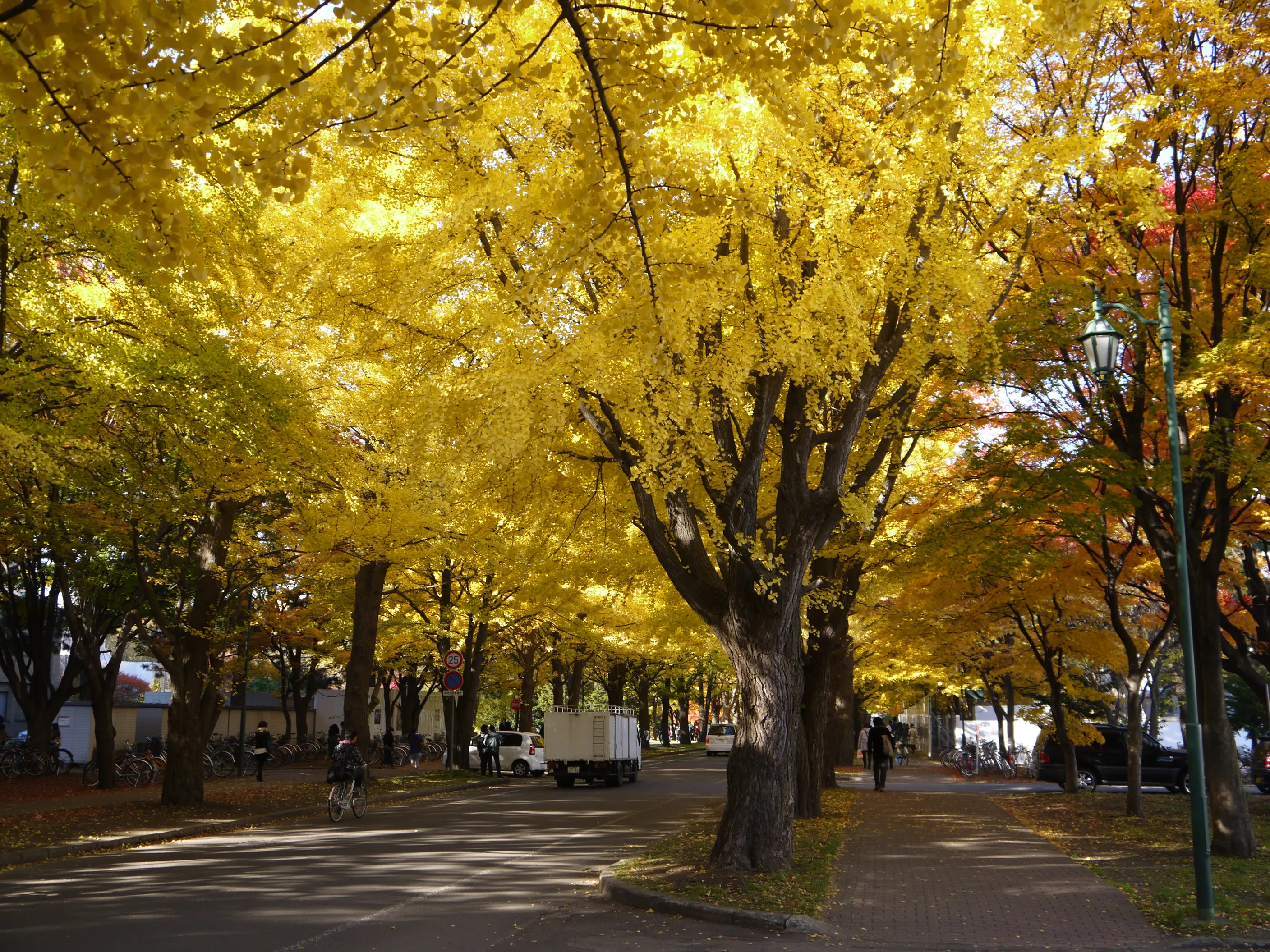
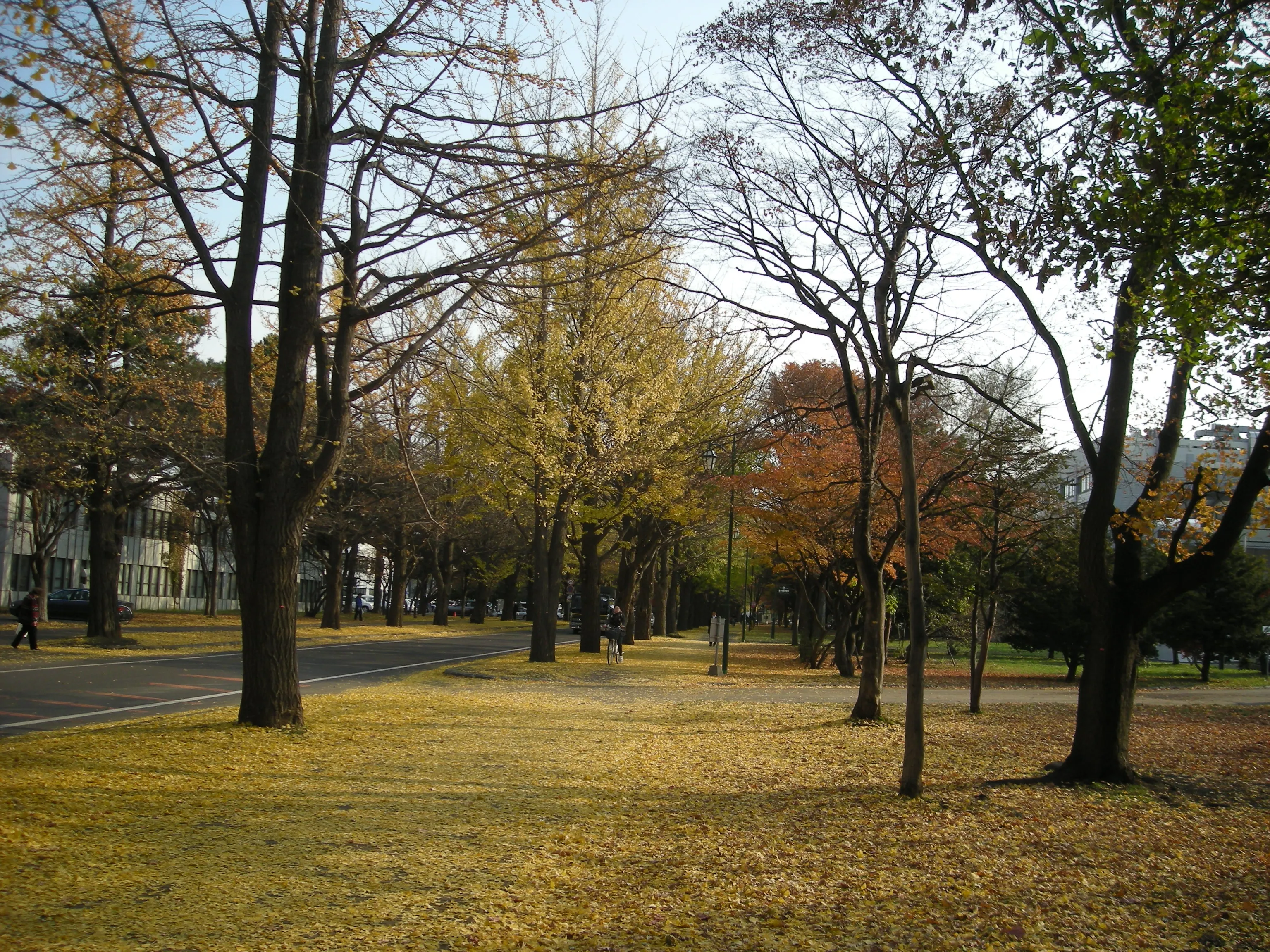
The ginkgo trees along the Main Avenue typically peak in the second half of November — usually between November 10 and 25, though the exact timing shifts with temperature patterns each year. The trees turn yellow simultaneously along the full 380-metre stretch, creating a corridor of uniform gold that lasts for approximately two weeks before the leaves fall. Local foliage-tracking websites and the university's own announcements give week-by-week updates during autumn.
Is Hokkaido University open to visitors?
Yes — Hokkaido University's campus is open to the public and free to walk through year-round. The main gate on Kita 8 Jo opens onto the ginkgo avenue, and the campus also contains the Model Barn (a 19th-century agricultural building), the University Museum (free entry), and the Botanical Garden (small fee). The campus is a working research university, so visitors should avoid disrupting classes or events.
What else is worth seeing on the Hokkaido University campus?
Beyond the ginkgo avenue, the campus rewards exploration. The Clark Memorial near the main gate honours William S. Clark, who founded Sapporo Agricultural College in 1876. The University Museum displays Ainu artifacts, geological collections, and the university's natural history specimens. The Poplar Avenue on the west side of campus is another famous tree-lined walk, and the Model Barn — a 19th-century Holstein dairy barn still standing from the agricultural college era — is a remarkable survivor of Hokkaido's founding period.