
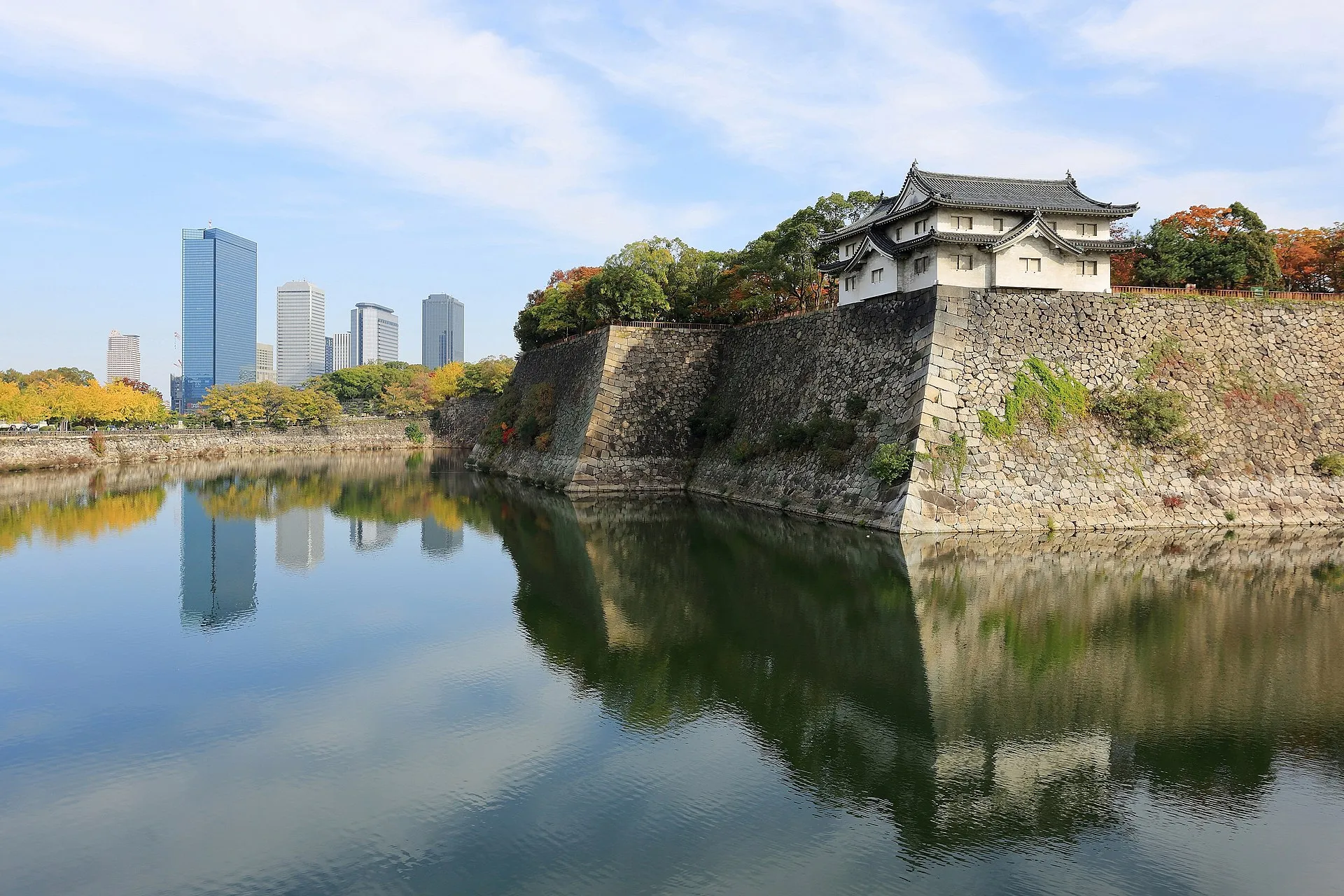
Osaka timeline
-
Shitenno-ji founded
The temple tradition ties Osaka to early Japanese Buddhism and the old Naniwa area.
-
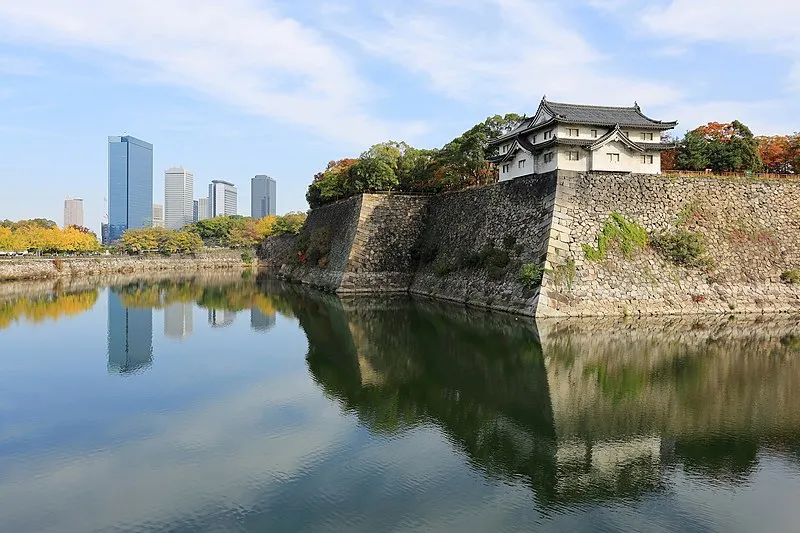
Osaka Castle begins
Toyotomi Hideyoshi built the castle as a statement of national power and urban ambition.
-
Siege ends Toyotomi rule
The Tokugawa victory remade Osaka's political role while merchants drove the city's economy.
-
Modern city incorporated
Osaka became a modern municipality and industrial powerhouse.
-
Shinsekai district opened as a futuristic theme park
Shinsekai district opened in 1912 as a futuristic theme park.
-
Expo opens
The world's fair announced Osaka's postwar confidence and left a new layer of modern landmarks.
Cited city facts
Key facts for visiting Osaka
2.7 million people in the city, 19 million in the metro
Osaka anchors Japan's second-largest metropolitan area (Keihanshin), which also encompasses Kyoto and Kobe, forming an economic powerhouse generating roughly 7% of Japan's GDP
Over 100 varieties of takoyaki across the city
Osaka's obsession with octopus balls runs so deep that the city hosts the Takoyaki Museum in Odaiba and locals debate fiercely over whether Wanaka or Kukuru serves the definitive version
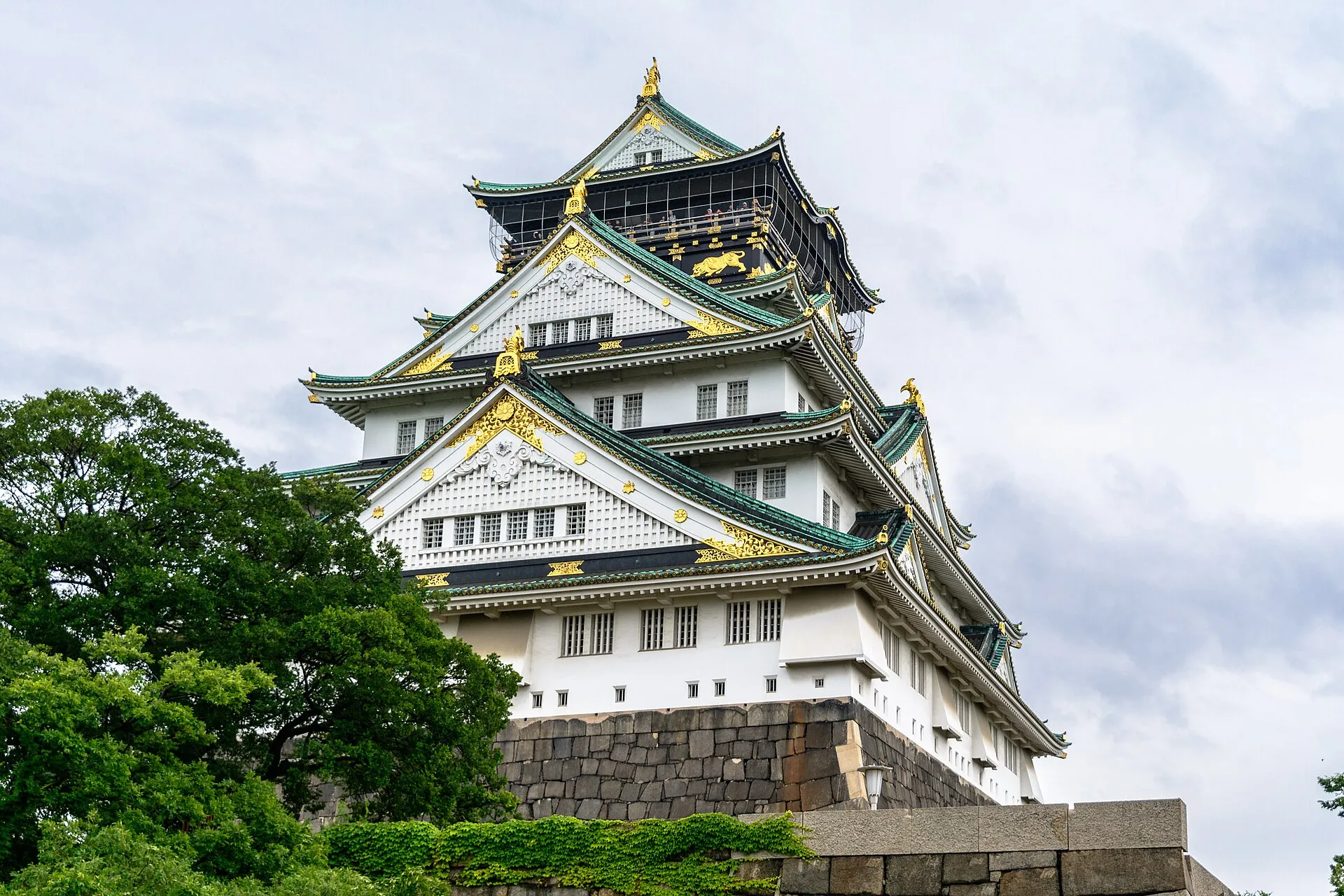
Osaka Castle rebuilt 3 times since 1583
Originally constructed by Toyotomi Hideyoshi to unify Japan, the castle was destroyed and rebuilt twice before its current ferro-concrete reconstruction in 1931, which now houses a museum of the city's samurai history
Shinsekai district opened in 1912 as a futuristic theme park
The "New World" neighborhood was modeled after Paris and Coney Island, featuring the original Tsutenkaku Tower; today it's a retro-futuristic dining district famous for kushikatsu deep-fried skewers
Source: tour-guide.com — Free to cite with attribution
Things to see
What are the top attractions in Osaka?
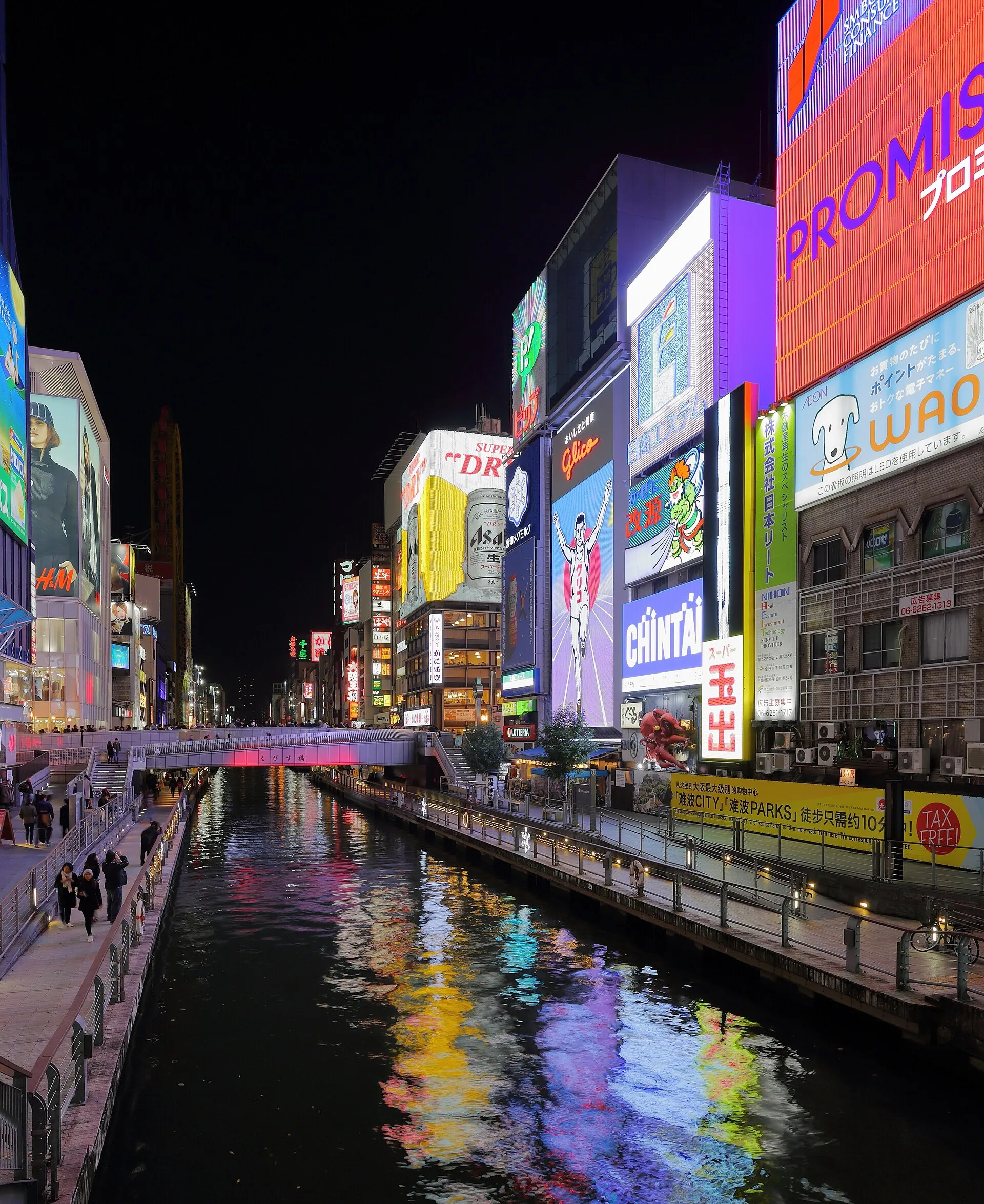
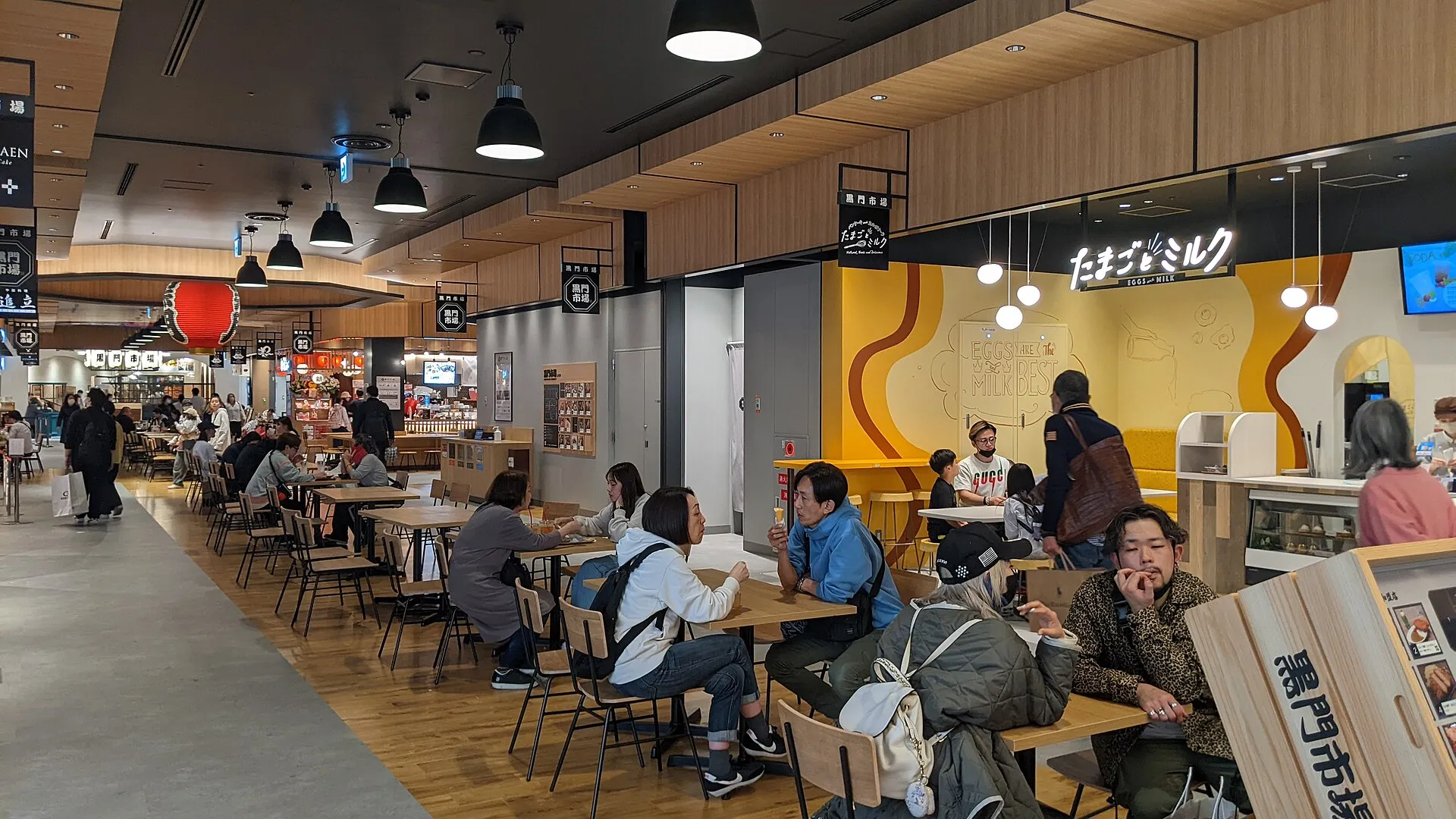
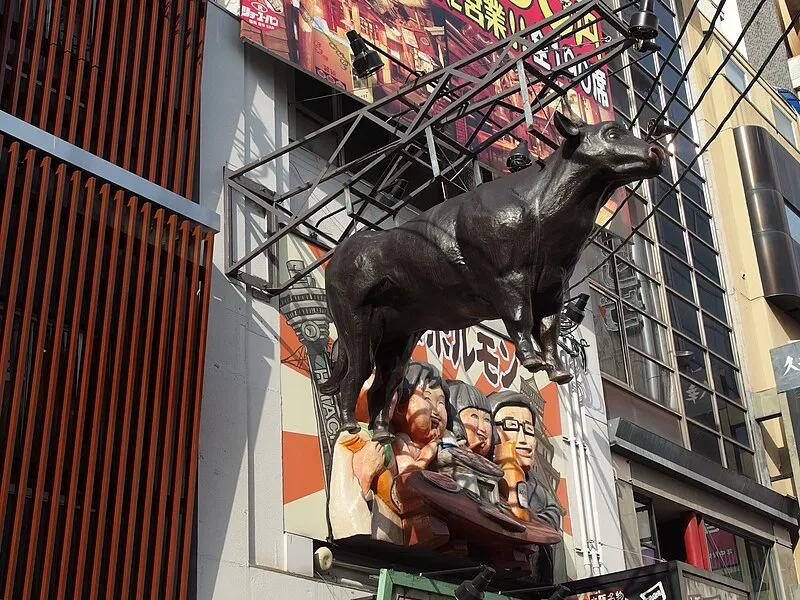
Osaka rewards curious visitors with a rich mix of historic landmarks and vibrant street life. Osaka Castle, originally built in 1583 by Toyotomi Hideyoshi, stands amid a sprawling park and houses a museum of samurai artifacts spanning centuries of feudal history. The neon-drenched Dotonbori canal district is the epicenter of Osaka's legendary street food culture, where vendors serve takoyaki, okonomiyaki, and kushikatsu late into the night. Universal Studios Japan draws millions with its themed worlds including the Wizarding World of Harry Potter and Super Nintendo World. The retro Shinsekai neighborhood, modeled after early-twentieth-century Paris and Coney Island, offers a glimpse of old Osaka beneath its iconic Tsutenkaku Tower. Sumiyoshi Taisha, one of Japan's oldest shrines, features distinctive straight-beamed architecture that predates Chinese Buddhist influence, while Kuromon Market provides a bustling morning food hall filled with fresh sashimi, grilled seafood, and seasonal fruit stalls.
Dotonbori
Osaka's neon-lit food and entertainment district
Kuromon Ichiba Market
Osaka's kitchen - 190 years of fresh food
Osaka Castle
Icon of Japan's warring states period
Guide planning
How much does a tour guide cost in Osaka?
| Tour Type | Price | Details |
|---|---|---|
| Group Tours | ¥3,000-5,000 | $20-35 per person |
| Food Tours | ¥10,000-15,000 | $70-100 with tastings |
| Private Half-Day | ¥25,000-35,000 | $170-235 |
| Private Full-Day | ¥40,000-60,000 | $270-400 |
Book a Local Guide
The guides below are independent local businesses we recommend purely on editorial merit. We don't sell placement and we earn no commission when you book with them — see our booking and affiliate disclosure.
Walk Japan — Osaka and Kansai
Walk Japan's Kansai itineraries are built around the region's extraordinary density of heritage — Osaka Castle, the Shinto shrines of Nara, the Arashiyama bamboo groves of Kyoto — led by English- speaking guides with deep knowledge of Japanese history and culture. Their Osaka food walk through the Kuromon Market and the street-food stalls of Dotonbori is a standout, revealing how the city earned its reputation as Japan's kitchen through hours of eating, not just looking.
Osaka Amazing Tours
Osaka Amazing Tours offers private half-day and full-day experiences led by licensed local guides who specialise in the neighbourhood character that makes Osaka distinct from Tokyo or Kyoto. Their Shinsekai retro district walk, the street-food tour of Namba, and the Minami bar-hopping experience in the narrow alleys of Hozenji Yokocho are all built around genuine local knowledge rather than a checklist of landmarks.
Season planner
When is the best time to visit Osaka?
- Book food tours ahead — Popular evening tours fill 2-3 weeks in advance
- English proficiency — Less English than Tokyo — guides are especially valuable
- No tipping culture — Never tip in Japan — considered rude
- Cash needed — Many street food stalls cash-only
- Best time — March-April (cherry blossoms) or October-November (fall colors)
Spring
Mar-May
Summer
Jun-Aug
Autumn
Sep-Nov
Winter
Dec-Feb
Each score averages that season’s monthly ratings out of 5. The top-rated window is usually the peak season too, so read the guidance above for its trade-offs before you book.
On the ground
How do you get around Osaka?
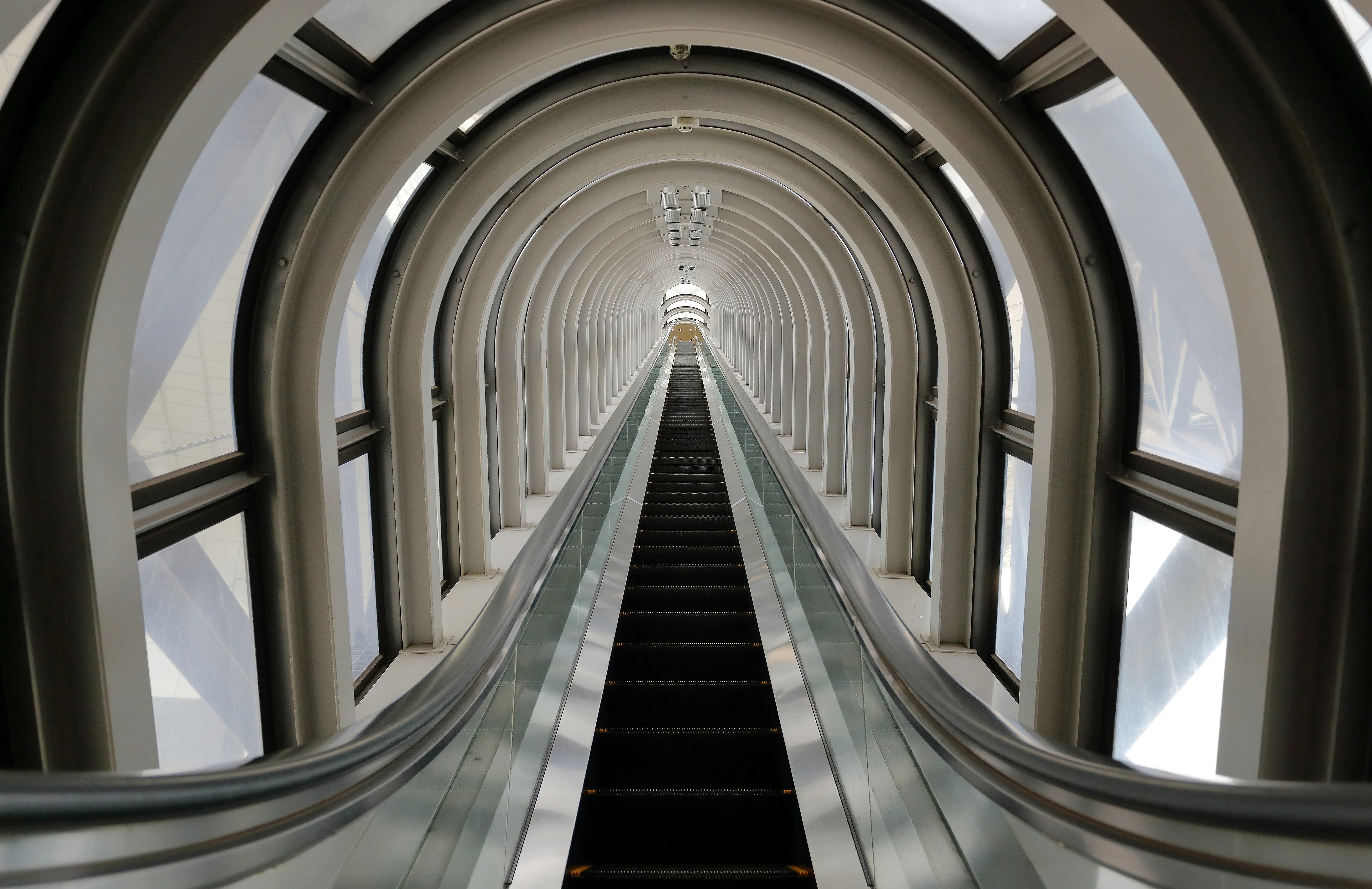
The Osaka Metro's nine color-coded lines cover the city thoroughly, with the Midosuji Line connecting Shin-Osaka station to Umeda, Namba, and Tennoji in minutes. JR lines handle longer routes including the loop line circling major hubs and rapid services to Kansai Airport. Pick up an Osaka Amazing Pass for unlimited metro and bus rides plus free entry to over 40 attractions including the Umeda Sky Building and Tempozan Ferris Wheel. The Dotonbori, Namba, and Shinsaibashi districts form a walkable triangle where most visitors spend their evenings on foot, hopping between takoyaki stalls and neon-lit arcades. For trips to Kyoto, Nara, or Kobe, the Kansai One Pass works across private railways like Hankyu, Hanshin, and Nankai, simplifying day trips without juggling multiple tickets.
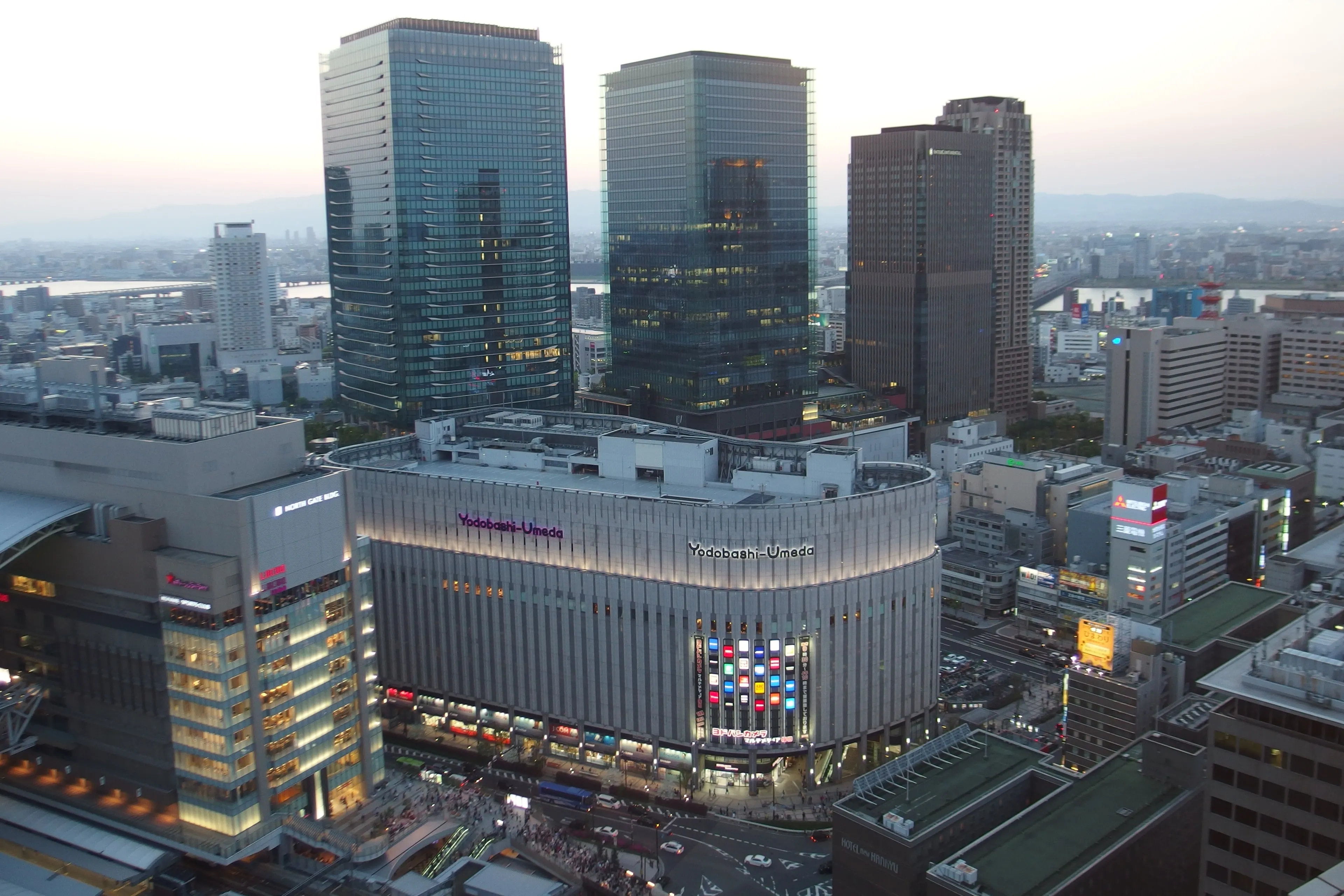
Osaka in Pictures
Frequently Asked Questions
What is the best time to visit Osaka?
Book food tours ahead: Popular evening tours fill 2-3 weeks in advance. English proficiency: Less English than Tokyo - guides are especially valuable.
How much does a tour guide cost in Osaka?
Osaka Castle grounds - Beautiful park and museum with samurai artifacts. Dotonbori street food - Takoyaki (octopus balls), okonomiyaki (savory pancake), kushikatsu (fried skewers).
How do you get around Osaka?
Osaka's color-coded Metro covers the city efficiently, with the Midosugi Line linking major hubs like Umeda, Namba, and Tennoji. The Osaka Amazing Pass bundles unlimited rides with free entry to over 40 attractions, and the Dotonbori-Namba-Shinsaibashi area is easily walkable.