
Major City
🇮🇹 Tour Guides in Bologna
La Grassa, La Dotta, La Rossa - the Fat, the Learned, the Red
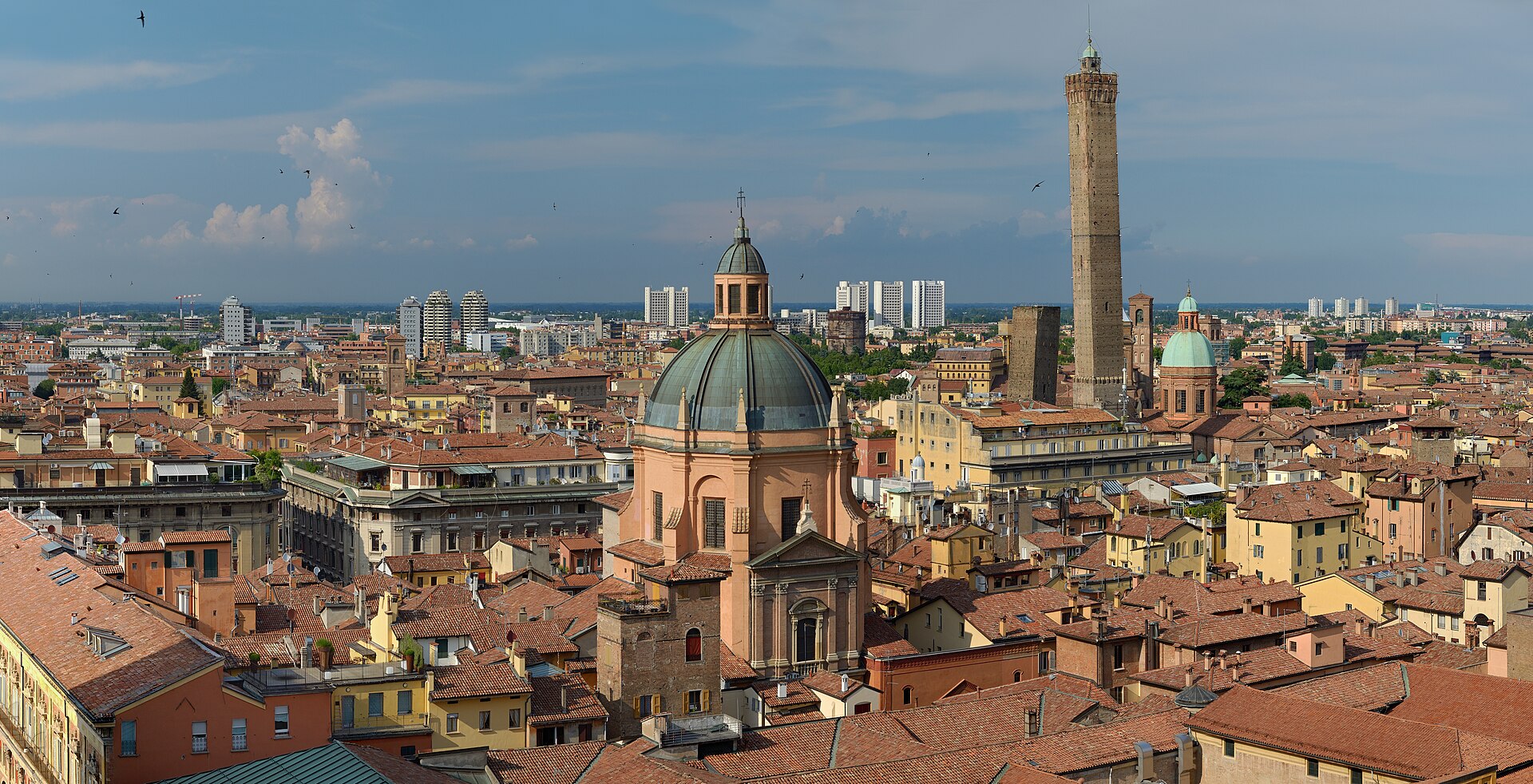

What makes Bologna a top destination?
Bologna's medieval nicknames tell its story. "La Grassa" (the Fat) honors Italy's undisputed food capital, where tortellini, tagliatelle al ragù, and mortadella reach perfection. "La Dotta" (the Learned) recognizes the University of Bologna, founded in 1088 as the Western world's oldest. "La Rossa" (the Red) describes both its terracotta rooftops and its progressive political history. Beneath 40 kilometers of elegant porticos, Piazza Maggiore anchors a city that richly rewards exploration. The Two Towers - one dramatically leaning - define the skyline, while the unfinished facade of San Petronio hints at ambitions that would have created the world's largest church. Unlike tourist-packed neighbors, Bologna remains authentically Italian, its markets and trattorias serving residents first. Having a local at your side here means tasting ragù where the recipe actually originated and slipping into university courtyards that most visitors walk right past.
What should you see in Bologna?
Italy's culinary capital and oldest university town presents two worlds to explore, each calling for its own kind of guide:
Bologna rewards visitors who dig beneath the surface with guides versed in both its academic heritage and culinary secrets. For food tours, seek guides with genuine culinary expertise rather than generic tourism training.
⛪ Basilica di San Petronio
The church that wanted to be bigger than St. Peter's - and almost succeeded
🛍️ Piazza Maggiore
Bologna's heart since 1200 - where civic pride meets daily life
🏛️ Two Towers of Bologna (Due Torri)
Medieval skyscrapers - one climbs to the sky, one leans like a drunk
What does a tour guide cost in Bologna?
| Tour Type | Price | Details |
|---|---|---|
| Food Walking Tour | €70-100 | Per person, 3-4 hours with tastings |
| Private City Tour | €150-250 | Up to 6 people, 2.5-3 hours |
| Cooking Class | €80-150 | Per person, 3-4 hours with meal |
| Food Tour + Cooking | €200-300 | Per person, full day |
When should you visit Bologna?
- Quadrilatero market — Medieval food market alive since Roman times
- Torre degli Asinelli — 498 steps reward with the best city view
- Archiginnasio — Magnificent library and anatomical theater of the old university
- Porticos walk — 40 km of covered walkways - UNESCO World Heritage
- San Luca pilgrimage — 666 portico arches climbing to hilltop sanctuary
- Pasta workshop — Learn to roll tortellini from Bolognese nonnas
- FICO Eataly World — Massive food theme park celebrating Italian cuisine
What is the best way to get around Bologna?
- Skip "Bolognese" elsewhere — The real ragù is served only with tagliatelle, never spaghetti
- Book tower climb — Limited daily capacity; reserve online
- Student city — University brings youthful energy - nightlife thrives
- Central location — Easy train connections to Florence, Venice, and Milan
- Market mornings — Quadrilatero is best before noon
- Aperitivo culture — Evening drinks include free buffet at many bars
- Seasonal note — The Po Valley traps summer humidity, making Bologna sticky from June through August — spring and early autumn bring the crispest weather and the liveliest university scene
Frequently Asked Questions
What is the best time to visit Bologna?
Quadrilatero market: Medieval food market alive since Roman times. Torre degli Asinelli: 498 steps reward with the best city view.
How much does a tour guide cost in Bologna?
Food Walking Tour: €70-100 (Per person, 3-4 hours with tastings). Private City Tour: €150-250 (Up to 6 people, 2.5-3 hours). Cooking Class: €80-150 (Per person, 3-4 hours with meal).
How do you get around Bologna?
Bologna's historic centre is compact and easily walkable, sheltered by 40 km of porticos that keep you dry in any weather. Buses cover outer areas and the train station, and the city has good cycling infrastructure with bike-sharing available.