
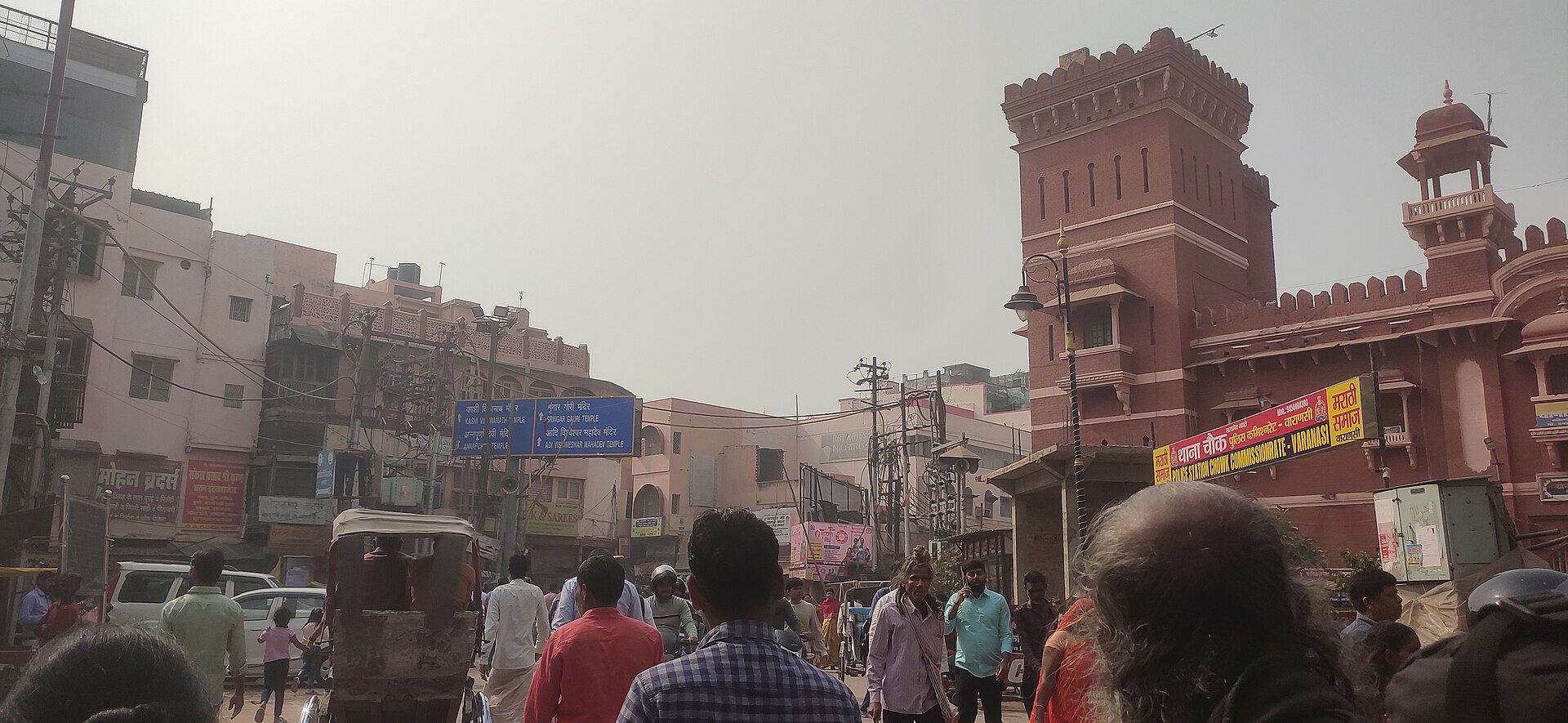

Overview
Kashi Vishwanath Temple is one of the twelve Jyotirlingas -- the most sacred manifestations of Lord Shiva in Hinduism -- and stands at the spiritual heart of Varanasi, India's holiest city. The current structure dates to 1780, built by Maharani Ahilyabai Holkar after the original was destroyed multiple times by Mughal rulers. The temple's gold-plated spire, covered with 820 kilograms of gold donated by Maharaja Ranjit Singh in 1835, dominates the Varanasi skyline from the river. The recently completed Kashi Vishwanath Corridor has transformed access by creating a grand promenade connecting the golden shrine directly to Dashashwamedh Ghat. Hindus believe Shiva permanently resides here as the "Lord of Kashi," making this temple the spiritual equivalent of the Vatican or Mecca for devotees worldwide. Sarnath lies 10 km north for a Buddhist counterpoint to the Hindu spirituality. A guide helps navigate the strict security procedures, explains the temple's significance within Hindu cosmology, describes the morning and evening rituals performed for the Shiva linga, and connects the shrine to the broader sacred geography of Varanasi.
Spiritual Significance
The golden dome: the 15.5-meter gold-plated spire is visible across the city and dominates the Varanasi skyline from the river. The Shiva linga at the center of worship is a naturally formed black stone representing Shiva's cosmic energy. The Kashi Vishwanath Corridor is the grand promenade connecting the temple to the Ganges, with heritage buildings, galleries, and clean walkways replacing the former labyrinth. The adjacent Gyanvapi Mosque, built on the site of the original temple by Mughal Emperor Aurangzeb in 1669, stands as a visible reminder of centuries of contested history. Devotees ring large brass bells when entering and leaving, creating a constant metallic resonance throughout the complex. The temple is one of the twelve Jyotirlingas, and Hindus believe that a pilgrimage here grants moksha (liberation from the cycle of rebirth).
Visitor Etiquette
The Kashi Vishwanath Temple is one of the twelve Jyotirlingas -- the most sacred manifestations of Lord Shiva in Hinduism. Hindus believe that Shiva permanently resides here as the "Lord of Kashi" (Varanasi's ancient name), making this temple the spiritual equivalent of the Vatican for Catholics or Mecca for Muslims. The current structure dates to 1780, when Maharani Ahilyabai Holkar of Indore rebuilt it after Mughal Emperor Aurangzeb had demolished the previous temple in 1669. The golden dome was added in 1839, plated with 820 kilograms of gold donated by Maharaja Ranjit Singh of Punjab.
In 2021, the Kashi Vishwanath Corridor project transformed access to the temple by demolishing congested buildings between the temple and the Ganges, creating a grand promenade that directly connects the golden spire to Dashashwamedh Ghat. A guide is particularly valuable here: they help navigate the strict security (similar to airport screening), explain the significance of each shrine within the complex, describe the morning shringar (decoration) and evening shayan (sleep) rituals performed for the Shiva linga, and provide the historical context of the temple's repeated destruction and rebuilding -- a story that spans over a thousand years of Indian religious history. Leave everything at your hotel: no bags, electronics, cameras, or phones allowed inside the temple. Dress modestly: cover shoulders and knees. Remove shoes before entering the temple premises. Buy flowers and a small puja kit from vendors outside the security zone to offer at the shrine.
When to Visit
Open: daily, 3:00 AM - 11:00 PM. Mangala Aarti (morning ritual): 3:00-4:00 AM -- the most spiritually charged time to visit. Shringar Aarti: 11:15 AM - 12:15 PM. Shayan Aarti (closing ritual): 10:30-11:00 PM. Best for tourists: 8:00-10:00 AM or 3:00-5:00 PM for shorter queues.
Admission and Costs
Temple entry: free for all visitors (Hindu and non-Hindu alike in the corridor area). Inner sanctum: open to all faiths -- non-Hindus can view from the queue but may not touch the linga. Special darshan (VIP skip-the-line): ₹300 online booking. Guide through the corridor: ₹500-1,000 for a 1-hour tour.
Tips for Visitors
The Vishwanath Corridor connects the temple directly to Dashashwamedh Ghat -- exit through the corridor toward the riverfront for a seamless transition. Combine with Sarnath for a half-day Buddhist pilgrimage 10 km north. A guide is particularly valuable here: they help navigate the strict security (similar to airport screening), explain the significance of each shrine within the complex, and provide the historical context of the temple's repeated destruction and rebuilding -- a story spanning over a thousand years of Indian religious history. The Mangala Aarti at 3 AM is the most spiritually intense experience but requires early commitment.