

Overview
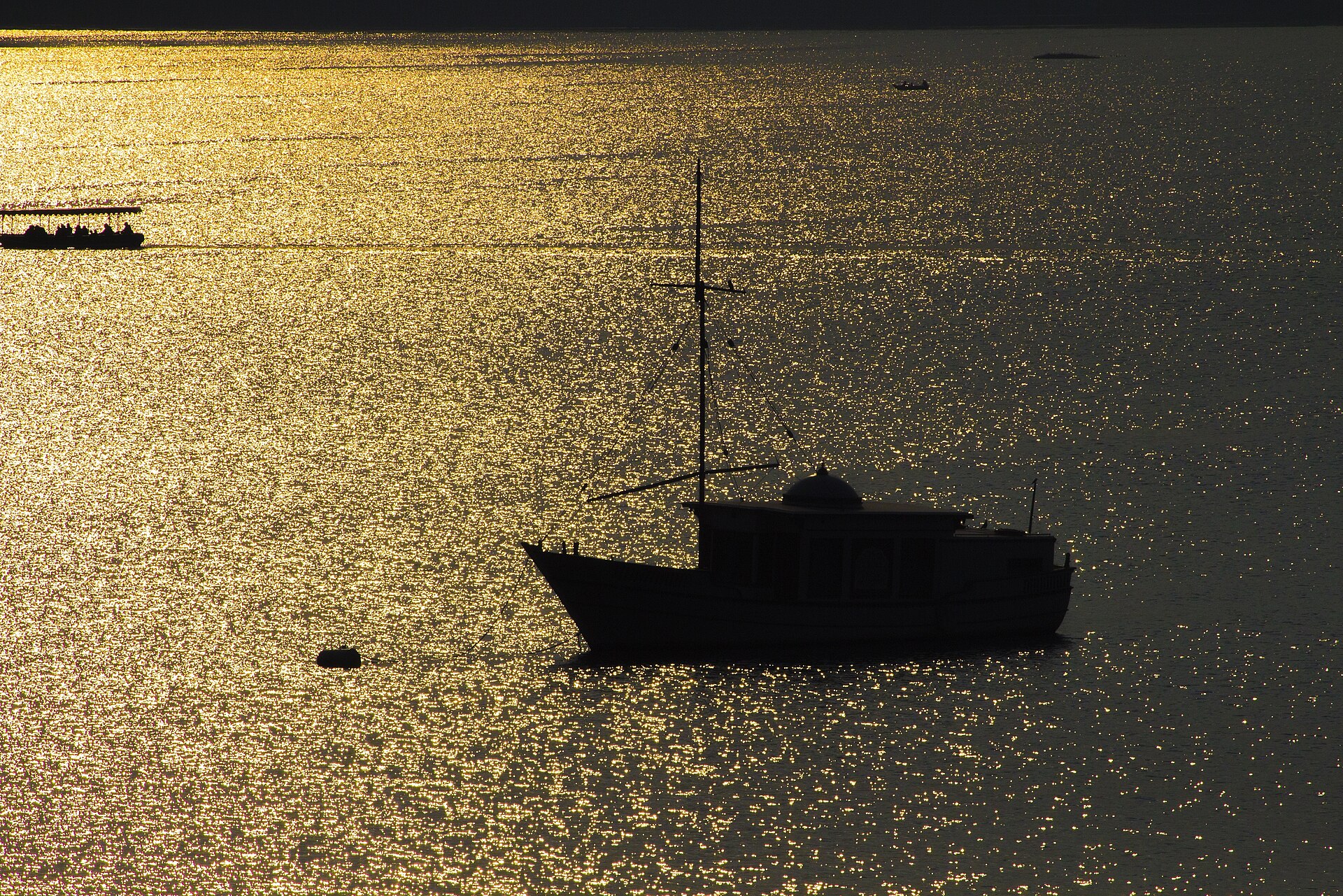
Lake Pichola is the 4-km-long artificial lake that forms the romantic heart of Udaipur, created in 1362 when a Banjara tribesman named Pichhu dammed a small waterway in the Aravalli Hills. Two island palaces float on its waters -- Jag Niwas (the Lake Palace, now a luxury hotel famous from the James Bond film Octopussy) and Jag Mandir, where a young Prince Khurram once took refuge before becoming Emperor Shah Jahan. The City Palace rises along the eastern shore, and at sunset the entire composition of palaces, ghats, temples, and hills reflects in the still water to produce one of India's most iconic views. Boat rides at dusk remain the signature Udaipur experience. A guide arranges optimal boat timing to catch the golden hour, explains the lake's hydraulic engineering and seasonal water levels, and narrates the stories of the Mewar rulers who shaped this landscape over seven centuries. Jagdish Temple overlooks the lake from the old city above.
Wildlife
Lake Pichola is the reason Udaipur exists. In 1362, a Banjara tribesman named Pichhu built a small dam on the lake, and two centuries later, Maharana Udai Singh II was so enchanted by the site that he founded his new capital on its banks. The maharanas expanded the lake over generations, building islands, palaces, bathing ghats, and temples along its 4-kilometer length and 3-kilometer width. The result is one of the most romantic landscapes in India -- especially at sunset, when the City Palace, ghats, and Aravalli Hills are reflected in the still water. The lake contains two island palaces that are both functioning luxury hotels: Jag Niwas (the Lake Palace, featured in the James Bond film Octopussy) and Jag Mandir (where Shah Jahan sheltered as a young prince and was reportedly inspired to build the Taj Mahal). A boat ride guide explains the architecture from the water, points out the waterline marks that show the lake's seasonal variation, identifies the temples and havelis along the shore, and shares the stories of Mewar's rulers who used the islands for pleasure, refuge, and diplomacy.
Trails
Jag Niwas (Lake Palace): the floating white marble palace-hotel built in 1746, famous worldwide from Octopussy -- visible from the boat but only accessible to hotel guests. Jag Mandir: the "Garden of the Maharanas" island with a palatial complex, elephant statues, and Gul Mahal where Prince Khurram (later Shah Jahan) took refuge. City Palace from the water: the massive palace complex is best appreciated from the lake, where its full 244-meter facade is visible. Lakeshore temples and ghats: Hindu bathing ghats and small temples line the eastern shore, active with morning rituals. Aravalli reflections: the surrounding hills reflected in the lake create the mirror-image effect that gives Udaipur its "Venice of the East" reputation.
When to Visit
Government boat rides: 10:00 AM - 6:00 PM (approximately every 30 minutes). Sunset cruise: last boat around 5:30 PM -- the most popular departure. Jag Mandir visit: boats stop at the island, allowing 30-45 minutes to explore. Best time: late afternoon (4-6 PM) for golden light and sunset on the water.
Admission and Costs
Government boat ride: ₹400-800 per person (includes Jag Mandir stop). Private boat hire: ₹1,500-3,000 per hour. Jag Mandir island entry: included in boat ticket. Lake Palace Hotel: hotel guests only (visible from the water).
Tips for Visitors
Sunset priority: the sunset boat ride is Udaipur's signature experience. Book early or arrive at the jetty by 4 PM. Water levels vary: after good monsoons (September-October), the lake is full and the islands appear to float; in dry summers, water levels can drop significantly. Combine with City Palace: the boat jetty is right below the palace -- do the palace first, then catch the sunset boat. Rooftop lakeside dining: several restaurants along the eastern shore offer dinner with lake views and illuminated palace as backdrop. A polarizing filter dramatically improves photos of the palace reflections on the water.