
Best Time to Visit Beijing: A Month-by-Month Guide
Beijing swings from sub-zero winters to humid monsoon summers, so timing matters. This month-by-month guide covers weather, air quality, crowds.
Read the full guideUpdated · 11 min read
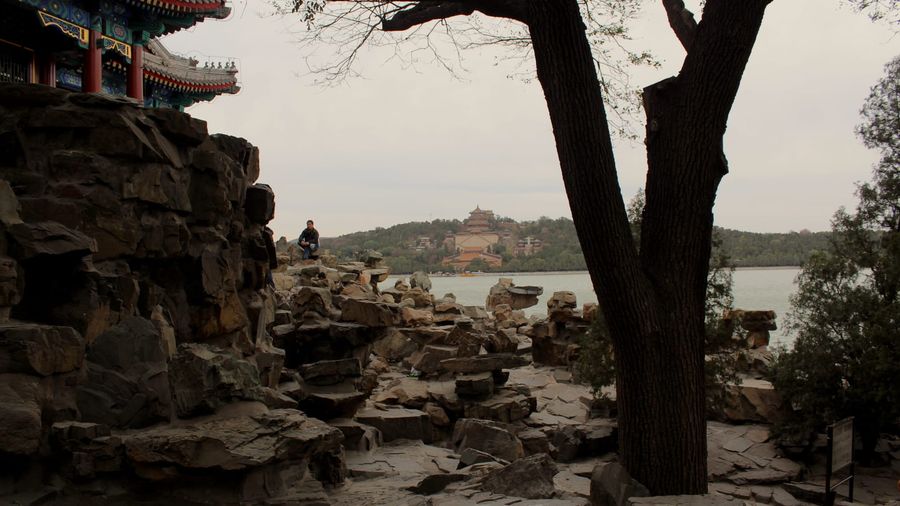
The best time to visit Beijing is autumn — mid-September through October — when the summer humidity has broken, the skies turn a reliable blue, and daytime temperatures sit in the comfortable low twenties Celsius. Late spring (late April and May) is the strong second choice. Avoid the first week of October, when the National Day holiday floods every landmark, and brace for cold if you come between December and February.
Beijing sits at almost 40 degrees north on the dry edge of the East Asian monsoon, which gives it four sharply defined seasons rather than the mild, blurred ones of coastal cities. Winters are frigid and bone-dry, summers hot and sticky, and the two short shoulder seasons in between carry most of the year's good weather. Choosing when to go shapes not just what you wear but how much you queue, what you pay, and whether the Great Wall reveals itself under clear light or vanishes into haze. Use this guide alongside the wider Beijing city overview and the national China guide when you plan.
What is Beijing's climate like?
Beijing has a monsoon-influenced humid continental climate: long, freezing, dry winters and hot, humid summers, bridged by two brief and beautiful shoulder seasons. Roughly two-thirds of the annual rainfall lands in July and August, while autumn and winter are strikingly dry. The practical takeaway is that the pleasant windows — spring and autumn — are short, so they book up fast.
The city's weather is governed by two competing air masses. In winter, cold, dry air sweeps down from Siberia and Mongolia, pushing temperatures below freezing for weeks and occasionally kicking up dust. In summer, warm, moisture-laden air from the Pacific drives the monsoon rains and the humidity that makes July afternoons feel heavier than the thermometer suggests. Between them lie the two spells travellers prize.
| Season | Temperature | Conditions | Air quality |
|---|---|---|---|
| Winter (Dec-Feb) | -8 to 4°C / 18-39°F | Cold, dry, sharp winds, light snow | Often poor |
| Spring (Mar-May) | 6 to 26°C / 43-79°F | Warming, occasional dust storms | Variable |
| Summer (Jun-Aug) | 22 to 35°C / 72-95°F | Hot, humid, heaviest rainfall | Moderate |
| Autumn (Sep-Nov) | 5 to 26°C / 41-79°F | Crisp, clear, dry | Best of the year |
Why is autumn the best time to visit Beijing?
Autumn, especially from mid-September to the end of October, is Beijing at its finest: warm days, cool evenings, low humidity, and the steady northerly winds that scrub the sky clean. This is when the Temple of Heaven altars glow under blue light, the ginkgo avenues turn gold, and walking the Great Wall is a pleasure rather than an endurance test.
Ask any Beijinger when to visit and they will point to autumn without hesitation. The oppressive summer heat lifts in early September, the monsoon rains taper off, and the air dries out. Trees across the city — the ginkgos of the Confucius Temple and the maples of Fragrant Hills — put on a fortnight of vivid colour, usually peaking in the last week of October.
Autumn is also the season when the golden roofs and lakeside pavilions of the Summer Palace look their most photogenic, framed by turning foliage on Longevity Hill and reflected in Kunming Lake — the very scene on this guide's cover. Book a morning slot for outdoor sites while the light is sharp and the crowds are thinner.
The one date to route around is National Day, October 1 to 7, known as Golden Week. Domestic tourism peaks during this holiday, and the Forbidden City, Tiananmen Square, and the popular Great Wall sections sell out or cap ticket numbers. If your trip overlaps, book everything well ahead and let a guide handle the timed-entry logistics.
Autumn cost range
- 3-star hotel: ¥400-700 / night ($55-95)
- Half-day private guide: ¥800-1,200 ($110-165)
- Restaurant meal: ¥60-150 per person ($8-20)
Is spring a good time to visit Beijing?
Spring is the year's second-best window, and late April into May is delightful — blossom in the parks, mild afternoons, and long daylight before the summer humidity sets in. The catch is early spring's volatility: March can still be cold and windy, and occasional dust storms blown in from the Gobi can turn the sky yellow for a day or two.
Spring arrives slowly. March is a transitional month, often still raw, with the season's highest risk of the dust and sandstorms that periodically sweep in from the Mongolian steppe. By mid-April the city has warmed convincingly, cherry and crabapple blossom fills Yuyuantan Park and the Summer Palace grounds, and temperatures settle into a comfortable range for all-day sightseeing.
May is arguably as pleasant as autumn — warm, bright, and green — but it carries its own crowd trap in the Labour Day holiday around May 1, a shorter cousin of Golden Week that still swells domestic travel for several days. Aim for mid-to-late May once that holiday has passed and before June's heat builds.
Spring is prime season for the outdoor experiences Beijing does best: a Great Wall hike at Mutianyu, a slow wander through the hutong lanes near the Drum and Bell Towers, and morning tai chi among the locals at the Temple of Heaven. Guided walking tours and food tours run at full tilt in these months.
What is summer like in Beijing?
Summer, June through August, is hot, humid, and wet, with July and August delivering most of the year's rain in sudden afternoon downpours. It is the low season for comfort but the high season for domestic family travel, so expect heat, crowds, and full trains. The upside is long daylight, lush parks, and lower hotel rates outside the school-holiday peak.
June opens warm and mostly dry, but by July the monsoon is in full swing. Rain tends to come as short, heavy bursts rather than all-day grey, so a packable poncho and flexible plans matter more than a fixed schedule. Humidity is the real challenge: 35°C in Beijing's damp July air is far more draining than the same reading in a dry climate.
Structure summer days around the heat. Start at outdoor sites — the Great Wall, the Summer Palace, Jingshan Park — at opening, retreat indoors to the Forbidden City's halls or an air-conditioned museum during the worst of the afternoon, and save the evening for a hutong dinner or a Peking duck feast. Carry water, and don't underestimate the sun on the exposed ramparts of the wall.
Summer cost range
- 3-star hotel: ¥350-600 / night ($48-83)
- Group walking tour: ¥200-400 per person ($28-55)
- Hutong and food tour: ¥400-700 per person ($55-95 with tastings)
Is winter worth visiting Beijing?
Winter is cold, dry, and quiet, with daytime highs around freezing and biting winds. It is the cheapest and least crowded time to see the headline sights, and there is a real austere beauty to the Forbidden City under a dusting of snow. The trade-offs are short days, the year's poorest air quality once coal heating begins, and Great Wall sections that can be icy underfoot.
From December to February the city empties of tourists and hotel rates fall to their annual lows. A snowfall over the vermilion walls and golden roofs of the Forbidden City is one of Beijing's most memorable sights, and museums, temples, and palaces are blissfully unhurried. Winter is also when air pollution is most likely to spike, so watch the daily AQI forecast and keep an N95 mask on hand for hazy days.
Chinese New Year (late January or February, depending on the lunar calendar) is a special case. Many family-run restaurants and small shops close for the holiday, and intercity trains sell out as the country travels home, but temple fairs light up parks like Ditan and Longtan with lanterns, snacks, and folk performances. If you visit then, book accommodation and any tours far in advance and confirm what will actually be open.
Winter cost range
- 3-star hotel: ¥250-450 / night ($34-62)
- Full-day private guide: ¥1,500-2,500 ($205-345)
- Peking duck dinner for two: ¥300-500 ($41-69)
How do you choose a Beijing tour for your season?
Match the tour to the weather. Reserve outdoor-heavy experiences — Great Wall hikes, hutong walks, Summer Palace mornings — for spring and autumn, when conditions cooperate. In summer and winter, lean on private or small-group guides who can adjust the pace around heat or cold and slot in indoor stops. A licensed English-speaking guide is the single biggest upgrade to a Beijing trip in any month.
Beijing rewards guided travel more than most destinations. Signage outside the top sights is thin, the language barrier is real, and the sheer scale of places like the Forbidden City means an expert who can decode the symbolism and manage the ticketing turns a confusing day into a coherent one. The national China guide covers how to vet licensed guides; here is what typically costs what in Beijing:
| Tour type | Price | Details |
|---|---|---|
| Group walking tour | ¥200-400 | $28-55 per person |
| Hutong and food tour | ¥400-700 | $55-95 with tastings |
| Half-day private guide | ¥800-1,200 | $110-165 |
| Full-day private guide | ¥1,500-2,500 | $205-345 |
In the peak shoulder months, and especially around Golden Week and the May holiday, private guides and skip-the-line slots book out weeks ahead — reserve early. In the quieter summer and winter stretches you can often arrange a guide with just a few days' notice, and rates are more negotiable.
What should you know about Beijing logistics?
Whenever you go, three things smooth a Beijing trip: carry your passport everywhere, set up mobile payment before you arrive, and book the marquee sights in advance. The Forbidden City in particular requires timed online tickets that routinely sell out, and every major attraction checks passports at security.
A few practical notes that apply across the seasons:
- Passport at all times — you need it to buy tickets and pass security at the Forbidden City, Tiananmen, and other state sites; there are no exceptions.
- Mobile payments rule — cash and foreign cards are rarely accepted. Link a card to WeChat Pay or Alipay before you travel, or ask your guide to help set it up on arrival.
- The metro is your friend — Beijing's subway is vast, cheap, signed in English, and the fastest way between the Forbidden City, the Temple of Heaven, and the Summer Palace. For door-to-door trips, the Didi app handles taxis and the language barrier.
- Plan a VPN — many Western apps and sites are blocked on the mainland, so install a VPN before you fly in.
- Watch the AQI — download an air-quality app and check it each morning, particularly in winter, adjusting outdoor plans on the haziest days.
When should you visit Beijing? The quick verdict
For the best all-round trip, come in autumn between mid-September and late October, dodging the October 1-7 Golden Week. If autumn doesn't fit, aim for late April or May after the Labour Day holiday. Choose winter for the lowest prices and emptiest sights if you can handle the cold, and treat summer as a workable option if you plan around the heat and rain.
| Goal | Best time |
|---|---|
| Ideal weather and clear skies | Mid-September to late October |
| Blossom and long spring days | Late April to May |
| Lowest prices, fewest crowds | December to February |
| Long daylight, lush parks | June (before the heaviest rains) |
| Avoiding the biggest crowds | Any time outside Golden Week and Chinese New Year |
Related guides
Planning a wider trip through Asia? These guides pair well with a Beijing visit:
- First-Timer's Guide to Kyoto — timing and etiquette for Japan's temple city
- Planning a Seoul Trip — a natural next stop across the Yellow Sea
- Bangkok Temple Tours — how to see Southeast Asia's grandest temples
There is no truly bad time to see Beijing — the Forbidden City is monumental in any weather, and a snow-quiet palace or a golden autumn afternoon each has its own reward. But if you have the freedom to choose, autumn's clear skies and comfortable temperatures make it the season the city shows itself best. Pick your window, book the headline sights early, and let a knowledgeable local guide connect eight centuries of imperial history into a single, coherent journey.
Frequently Asked Questions
When is the best time to visit Beijing?
Autumn, from mid-September through October, is the classic choice — dry, clear skies, mild temperatures, and the best air quality of the year. Late April and May run a close second before the summer humidity arrives.
Does Beijing's air pollution ruin autumn visits?
Autumn is Beijing's cleanest season, when steady northerly winds clear the sky and hazy days are the exception. Pollution is heaviest in winter, when coal heating switches on, so check a live AQI reading each morning and keep an N95 mask handy year-round.
How cold does a Beijing winter get?
December through February are genuinely cold and dry, with daytime highs near freezing and nights that regularly fall to minus 8 or lower under sharp Siberian winds. Snow is light and infrequent, but the wind chill makes warm layers essential.
Should I avoid Beijing during Golden Week?
The first week of October, China's National Day holiday, sends hundreds of millions of domestic travellers on the road at once. Tiananmen Square, the Forbidden City, and the Great Wall are at their most crowded and expensive, so shift your dates a week either side if you can.