

Overview
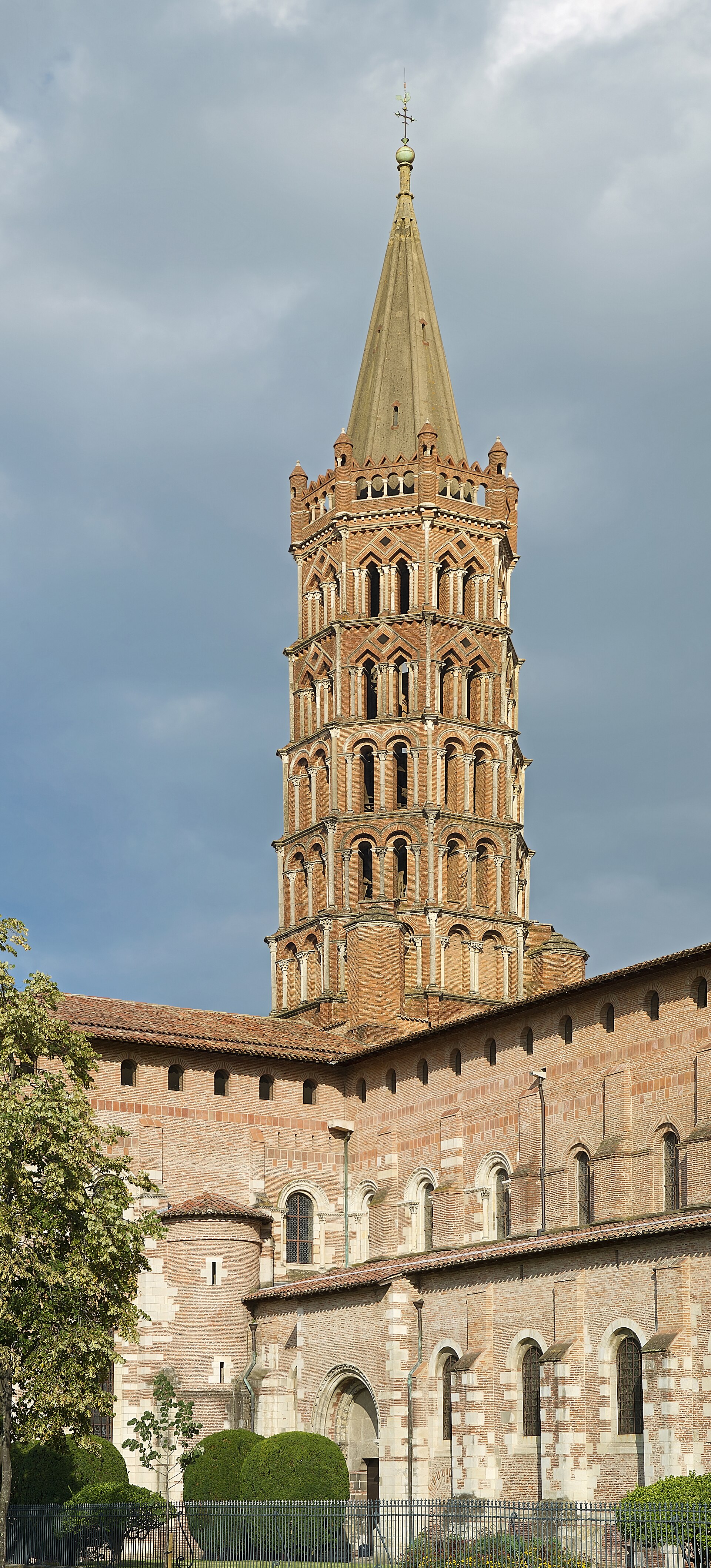
Basilique Saint-Sernin is the largest remaining Romanesque church in Europe and a UNESCO World Heritage Site as part of the Routes of Santiago de Compostela. Built between the 11th and 13th centuries to accommodate thousands of pilgrims journeying to Spain, this magnificent pink brick basilica houses the relics of Saint Saturnin (Sernin), the first bishop of Toulouse martyred in 250 AD. The octagonal bell tower, rising 65 meters, is a masterpiece of Romanesque architecture and a symbol of Toulouse. The ambulatory contains an extraordinary collection of medieval reliquaries.
Visitor Etiquette
Dress appropriately: Religious site - cover shoulders and knees. Photography: Allowed without flash in main church, restricted in crypt. Active worship: Sunday masses and occasional Gregorian chant services. Respect pilgrim traditions: This is an active stop on the Camino de Santiago. Pilgrim office nearby for credential stamps.
Spiritual Significance
Octagonal bell tower - Five-tiered Romanesque masterpiece, Toulouse's icon. Crypt reliquaries - Medieval gold and silver reliquaries of saints. Porte Miègeville - Remarkable 12th-century carved portal. Ambulatory capitals - Intricate Romanesque stone carvings. Altar canopy - 11th-century marble baldachin over the altar. Pilgrim traditions - Stamp your Compostela credential here
When to Visit
Church: Monday-Saturday 8:30-18:00, Sunday 8:30-19:00. Crypt and ambulatory: 10:00-18:00 (small fee). Best time: Morning for quiet contemplation, afternoon for guided tours. Mass times: Check for Sunday services, Gregorian chant occasional
Admission and Costs
Church entry: Free. Crypt and ambulatory: €3. Guided tour: €10-18 per person. Private guide: €100-150 for 1-1.5 hours
Tips for Visitors
Romanesque expertise: Understand the architectural innovations and symbolism. Pilgrimage context: Place the basilica on the Camino de Santiago route. Reliquary collection: Stories behind the medieval treasures. Hidden details: Capitals, sculptures, and crypt discoveries