

Overview
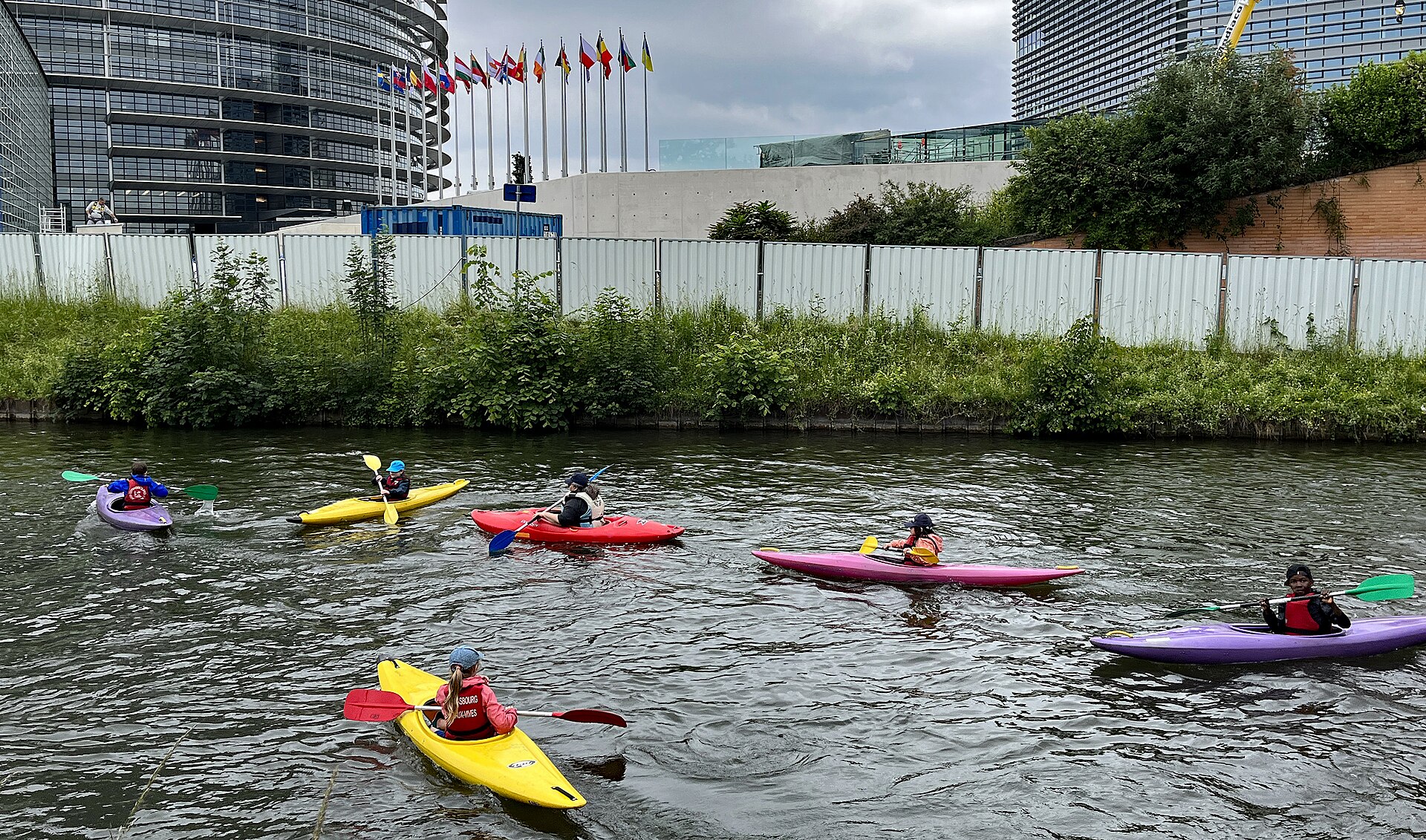
Strasbourg's European Quarter is home to some of the continent's most
important democratic institutions,\ \ earning the city its title as Capital of Europe. The
district houses the European Parliament (where MEPs meet in\ \ plenary sessions), the Council
of Europe (with 46 member states), and the European Court of Human Rights. The\ \ modern
buildings, designed by architects from across Europe, stand in striking contrast to
Strasbourg's medieval\ \ Petite France. This concentration
of institutions makes Strasbourg the only non-capital city to host international\
institutions alongside Geneva and New York.
Walking Routes
European Parliament hemicycle - Where 705 MEPs debate and vote. Parlamentarium Simone Veil - Interactive exhibition on EU history. Palais de l'Europe - Council of Europe headquarters, 1977 design. Human Rights Building - Richard Rogers-designed Court complex. Parc de l'Orangerie - Beautiful adjacent park with storks. Art collection - Parliament houses significant European art
Local Life
Political context: Understand EU decision-making processes and how legislation affects 450 million citizens. Historical perspective: European integration from post-war devastation to the present-day union of nations. Architecture insights: Stories behind the symbolic buildings designed by Europe's leading architects. Access planning: Navigate booking requirements and security procedures that can be confusing without guidance
When to Visit
European Parliament: Visits available when not in plenary (check calendar). Plenary sessions: 12 sessions per year, public galleries open. Council of Europe: Guided tours by appointment. Parlamentarium: Interactive exhibition open daily
Admission and Costs
European Parliament tour: Free (ID required, advance booking). Parlamentarium Simone Veil: Free. Council of Europe: Free guided tours (advance booking). Private political guide: \u20AC150-250 for half-day. All visits require advance booking and valid ID. Some areas restricted during plenary sessions
Tips for Visitors
Book ahead: Parliament visits must be booked 2-3 months in advance. ID required: Bring passport or national ID for all institutional visits. Plenary calendar: Check europarl.europa.eu for session dates. Tram access: Line E to Parlement Europ\xE9en. Combine with park: Parc de l'Orangerie adjacent, perfect for picnic. Photography: Restricted in some areas, follow security guidance