
Major City
🇫🇷 Tour Guides in Strasbourg
Capital of Europe - where French elegance meets German tradition

What makes Strasbourg a top destination?
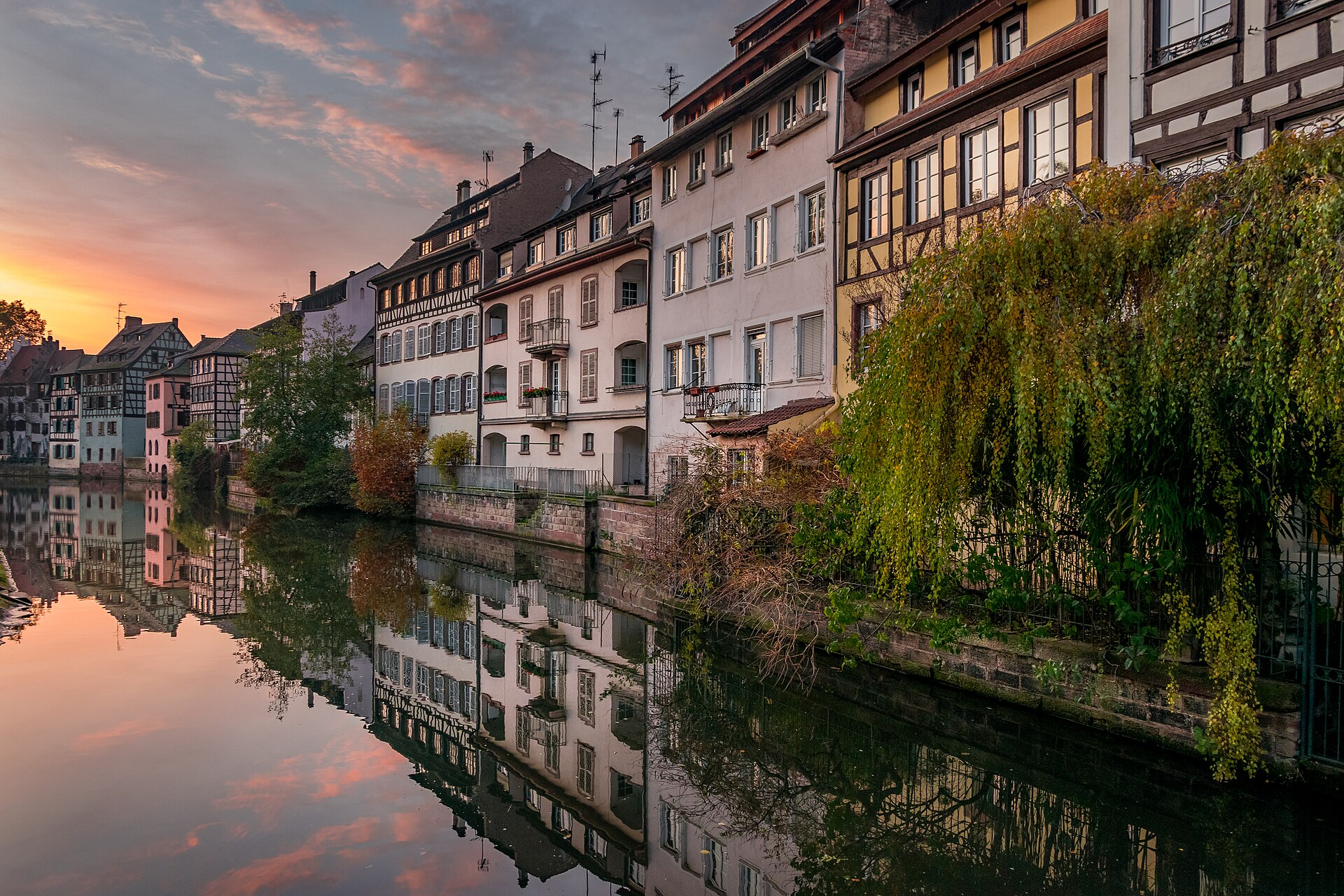
Strasbourg is a city of remarkable contrasts — a quintessentially French city with unmistakable German influences, home to both a medieval UNESCO-listed old town and the ultramodern European Parliament. The capital of Alsace sits on the Franco-German border and has changed hands multiple times, creating a unique cultural fusion visible in its half-timbered houses, Gothic cathedral, and distinctive cuisine. From the picturesque Petite France quarter to the soaring Cathedral, Strasbourg rewards exploration with knowledgeable guides. The city's Christmas markets (Christkindelsmärik), dating to 1570, are the oldest and most famous in France, transforming the city into a magical winter wonderland.
What should you see in Strasbourg?
- Cathedral astronomical clock — The Renaissance mechanism performs a daily show at 12:30 PM with animated apostles; arrive by noon for a seat
- Petite France at dawn — Half-timbered houses reflected in misty canals before the tourists arrive
- European Parliament — Free guided tours when Parliament is in session; political guides explain EU governance firsthand
- Alsace Wine Route — Day trip through picturesque villages like Riquewihr and Colmar, tasting Riesling and Gewürztraminer
- Christmas markets — Twelve themed markets throughout the old town, dating back to 1570
- Tarte flambée — Alsatian flatbread served in traditional winstubs; guides know the most authentic spots
🏘️ European Quarter
Capital of Europe - where EU democracy happens
🏘️ Petite France
Strasbourg's fairytale quarter - half-timbered magic on the water
⛪ Strasbourg Cathedral
Notre-Dame de Strasbourg - once the world's tallest building
🎪 Strasbourg Christmas Markets
Christkindelsmärik - France's oldest and most magical markets since 1570
What does a tour guide cost in Strasbourg?
Strasbourg's dual heritage means the best guides speak both French and German. Look for cathedral specialists (art historians who reveal Gothic architecture secrets), European institution experts, and Alsatian culture historians.
| Tour Type | Price | Details |
|---|---|---|
| Group Walking Tours | €12-20 | Per person, 2 hours |
| Boat Tours | €15-25 | Per person, 70 minutes |
| Private Half-Day | €150-250 | Up to 6 people |
| Private Full-Day | €300-450 | Including wine route |
When should you visit Strasbourg?
- November-December: Christmas markets transform the city (book far ahead)
- May-June: Pleasant weather, outdoor café culture blooms
- September: European Institutions in session, wine harvest in Alsace
- Avoid: August when Parliament is closed and some locals on vacation
What is the best way to get around Strasbourg?
- Tram network — Six lines cover the city and suburbs; a day pass is the easiest way to reach the European Quarter and outlying sites
- Grande Île is pedestrianized — The UNESCO-listed historic center is largely car-free; walking is the best way to explore
- Cycling — Strasbourg is one of France's most bike-friendly cities, with dedicated lanes throughout; Vélhop bike-share is available
- Batorama boat tours — Covered boats depart from the cathedral area for 70-minute scenic loops through the canals
- Train connections — The TGV reaches Paris in under 2 hours; regional trains connect to Colmar, Mulhouse, and Baden-Baden across the border
Frequently Asked Questions
What is the best time to visit Strasbourg?
November-December: Christmas markets transform the city (book far ahead). May-June: Pleasant weather, outdoor café culture blooms. September: European Institutions in session, wine harvest in Alsace.
How much does a tour guide cost in Strasbourg?
Group Walking Tours: €12-20 (Per person, 2 hours). Boat Tours: €15-25 (Per person, 70 minutes). Private Half-Day: €150-250 (Up to 6 people). Private Full-Day: €300-450 (Including wine route)
How do you get around Strasbourg?
Strasbourg has an extensive tram network with six lines covering the city and suburbs. The Grande Ile historic centre is largely pedestrianized, and the city is one of France's most bike-friendly, with dedicated cycling lanes throughout.