

Overview
The Musée d'Orsay houses the world's greatest collection of Impressionist and Post-Impressionist art in one of Paris's most stunning settings - a transformed Beaux-Arts railway station from 1900. The museum focuses on Western art from 1848 to 1914, bridging the classical works of the Louvre and modern art at the Centre Pompidou. Here you'll find masterpieces by Monet, Manet, Degas, Renoir, Cézanne, Van Gogh, and Gauguin, displayed beneath the station's original vaulted glass ceiling. The museum's chronological and thematic arrangement makes expert guidance invaluable.
Guided Tours
Art historical context: Understand the Impressionist revolution. Efficient navigation: 4,000+ works means prioritization is essential. Hidden connections: Discover relationships between artists and movements. Building history: Stories of the station's transformation
Collections Highlights
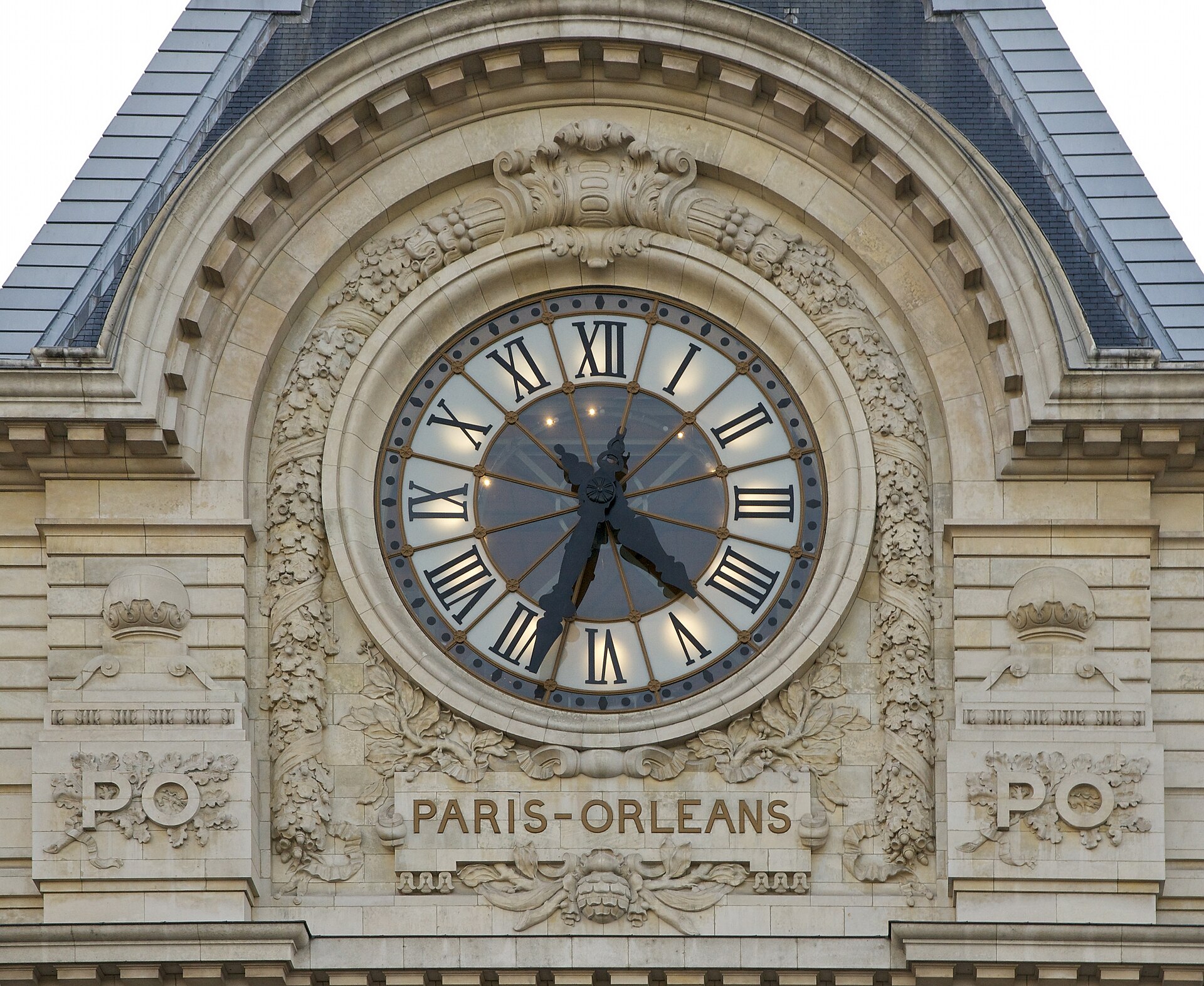
Van Gogh's Starry Night and Bedroom - Powerful late works. Degas ballet dancers - Iconic pastel studies. Monet's water lilies - Several versions from Giverny series. Station clock faces - View Paris through giant clock from café. Renoir's Bal du moulin de la Galette - Joyful Montmartre scene. Manet's Olympia - Scandalous masterpiece that shocked Paris
When to Visit
Hours: Tuesday-Sunday 9:30 AM - 6:00 PM (Thursday until 9:45 PM). Closed: Mondays, May 1, December 25. Best time: Thursday evening (fewer crowds, atmospheric lighting). Avoid: Sunday afternoons and rainy days
Admission and Costs
Full ticket: €16. Under 18: Free. Thursday after 6 PM: €12. Guided tour: €50-80 per person. Private guide: €300-450 for 2-3 hours
Tips for Visitors
Buy timed tickets: Online booking essential for busy periods. Start at top: Impressionists on level 5, work down. Allow 3 hours: Minimum to see highlights properly. Café des Hauteurs: Coffee with view through station clock. Combine with walking: 15-minute walk to Louvre along Seine. RER C: Musée d'Orsay station directly beneath