
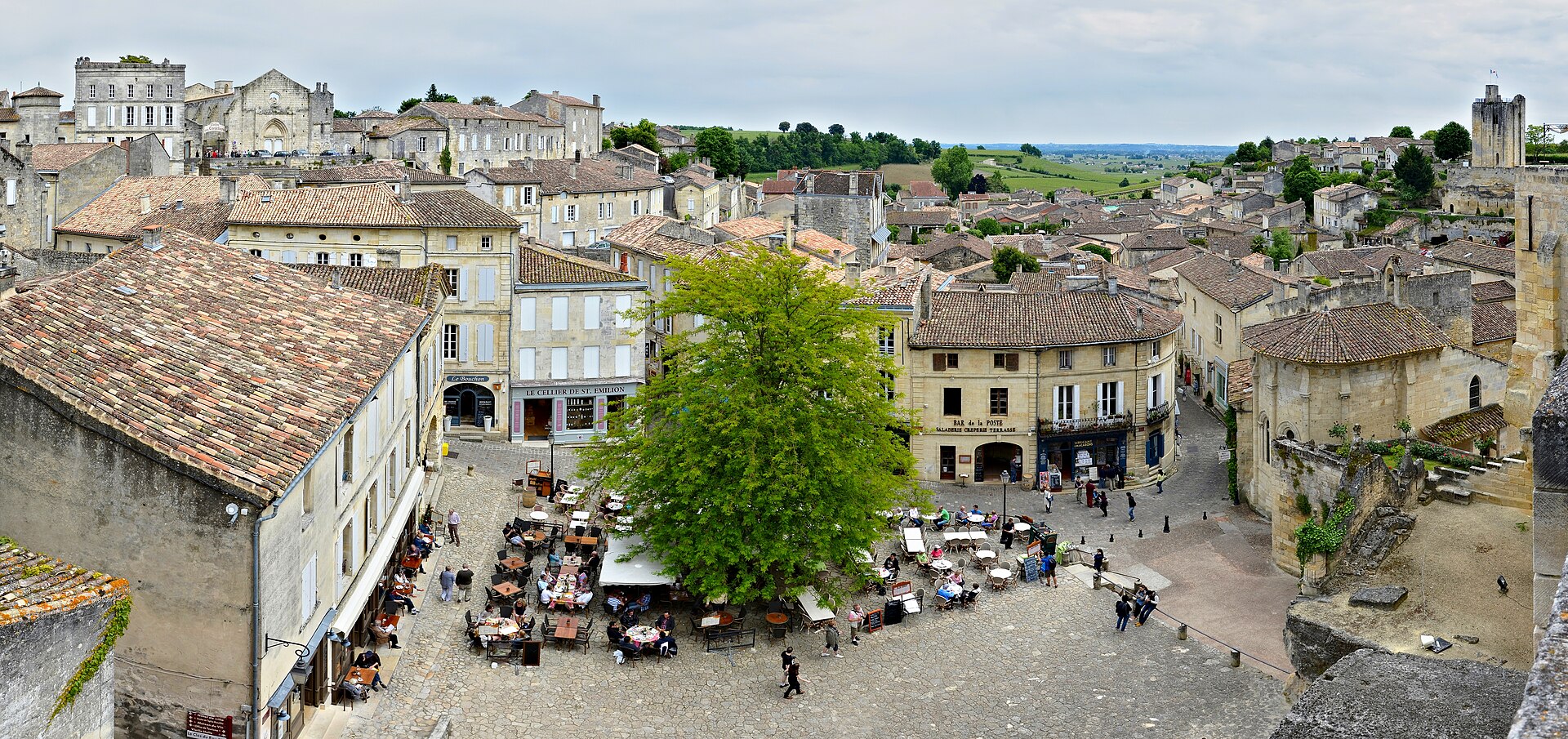

Overview
Saint-Émilion is a perfectly preserved medieval village perched on a limestone plateau 35 kilometers east of Bordeaux. Named after a Breton monk who lived in a cave here in the 8th century, the village and its surrounding vineyards became a UNESCO World Heritage Site in 1999 - the first wine-producing landscape to receive this recognition. Beneath the charming cobblestone streets lies Europe's largest monolithic church, carved entirely from rock, along with mysterious catacombs and underground wine cellars. The surrounding appellation produces some of the world's most prestigious wines, including Château Cheval Blanc and Château Ausone. A perfect day trip from Bordeaux, combining wine culture with medieval heritage. Visit Cité du Vin before heading out for context.
Tasting Guide
Monolithic church - Largest underground church in Europe, carved from single rock. Catacombs - Mysterious burial chambers with archaeological finds. Bell tower views - Climb for panoramic vineyard vistas. Wine tasting - Sample Premier Grand Cru Classé at local caves. Macarons - Saint-Émilion's signature almond cookies (since 1620). Cloister ruins - Romantic remains of 14th-century monastery
Local Producers
Book underground tour: Limited capacity, reserve at Tourist Office. Comfortable shoes: Steep cobblestones and underground stairs. Cool underground: Bring light jacket for caves (14°C year-round). Spit at tastings: Multiple wineries mean pacing yourself is essential. Train possible: TER from Bordeaux (35 minutes) but bus limited
When to Visit
Morning: Underground tours start early, fewer crowds. September-October: Harvest season, vineyards most active. Spring: Flowering vines, pleasant walking weather. Avoid: August midday heat and heavy tourist crowds
Admission and Costs
Underground monuments tour: €12-15 per person. Village access: Free. Château visits: €15-50 per person (varies by prestige). Full-day guided tour from Bordeaux: €120-200 per person. Private guide: €250-400 for half-day
Tips for Visitors
Underground access: Monolithic church and catacombs only accessible with guide. Château connections: Guides arrange visits to prestigious estates. Wine expertise: Understand terroir, classifications, and vintages. Transport: Village difficult to reach without car; guides include transport. Local stories: Legends of Émilion, medieval pilgrims, and wine history