
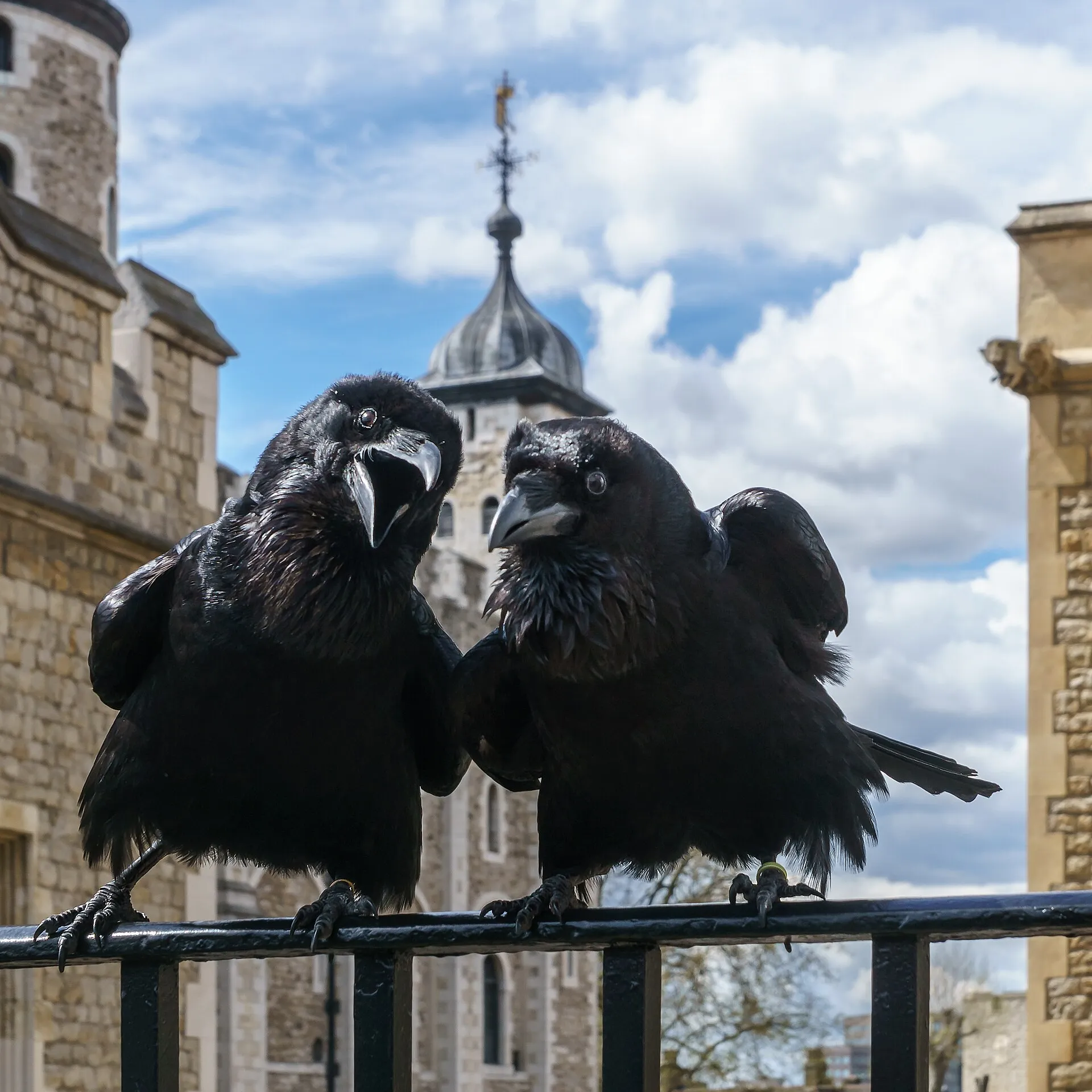
Architecture
Built by William the Conqueror starting in 1066, the White Tower is a pristine example of early Norman Romanesque architecture. The Chapel of St John inside dates to 1080 and retains its original stone barrel vault. Subsequent monarchs added concentric defensive walls, the Bloody Tower, Traitors' Gate, and the Beauchamp Tower where prisoners carved elaborate graffiti. The complex covers 12 hectares along the Thames. The Tower is a UNESCO World Heritage Site.
When to Visit
Tue-Sat: 9 AM - 5:30 PM (Nov-Feb until 4:30 PM). Sun-Mon: 10 AM - 5:30 PM. Best: First entry or after 3 PM
Admission and Costs
Entry: £34 adults (book online £32). Yeoman Warder tour: Free with entry (every 30 min). Blue Badge guide: £250-400 private tour
The Case for a Guide
A Yeoman Warder tour covers the highlights, but an expert guide goes far deeper into the Tower's thousand years of royal intrigue, prison politics, and ceremonial significance.
- Beefeater insider stories: Guides who have cultivated relationships with Yeoman Warders share off-script anecdotes unavailable from official tours — the dark humour of the ravens' minders, the residency rules, and what it actually costs to live within the walls.
- Crown Jewels coronation meaning: Beyond the spectacle, a guide explains precisely which regalia is used at each stage of the coronation ceremony — the Sovereign's Orb representing Christian dominion, the ampulla of holy oil, and why the Cullinan I diamond sits in a sceptre rather than a crown.
- Bloody Tower imprisonment history: Sir Walter Raleigh spent thirteen years here writing his History of the World; guides reconstruct his domestic arrangements and explain how prisoners of rank could receive visitors, keep servants, and even brew ale.
- Ravens' contract with the Crown: The legend that six ravens must remain or the kingdom will fall is documented from at least the Victorian era; guides trace how the superstition became official royal policy and who currently holds the role of Ravenmaster.
- Medieval torture myths vs. reality: The notorious rack existed but was used sparingly and required royal warrant; guides explain which "torture devices" on display are authentic, which are Victorian reconstructions, and how punishment actually worked in the Tower's cells.
Tips for Visitors
Book 2-3 weeks ahead on hrp.org.uk. Crown Jewels first: Lines build after 11 AM. Beefeater tours: Entertaining and informative (1 hour). Plan 3-4 hours: Lots to see
Frequently Asked Questions
When is the best season to visit the Tower of London?
June through August brings the longest opening hours, warmest weather for exploring the outdoor ramparts, and the best chances of catching the resident ravens in active form. However, the summer peak also means the longest queues for the Crown Jewels; visiting in April, May, or September yields shorter wait times with still-pleasant weather. The December holiday season adds a magical atmosphere to the medieval fortress, though daylight hours are short.
When can visitors tour Tower of London?
Tue-Sat: 9 AM - 5:30 PM (Nov-Feb until 4:30 PM). Sun-Mon: 10 AM - 5:30 PM. Best: First entry or after 3 PM.
How much is the entrance fee for Tower of London?
Entry: £34 adults (book online £32). Yeoman Warder tour: Free with entry (every 30 min). Blue Badge guide: £250-400 private tour
What do guided tours of Tower of London include?
Expert guides go beyond the Beefeater tours, walking you through the Chapel of St John — pristine Norman architecture from 1080 — and pointing out medieval prisoner graffiti in the Beauchamp Tower. They reveal the Tower once housed a Royal Menagerie for six centuries and explain the symbolic meaning behind each piece of the coronation regalia.