
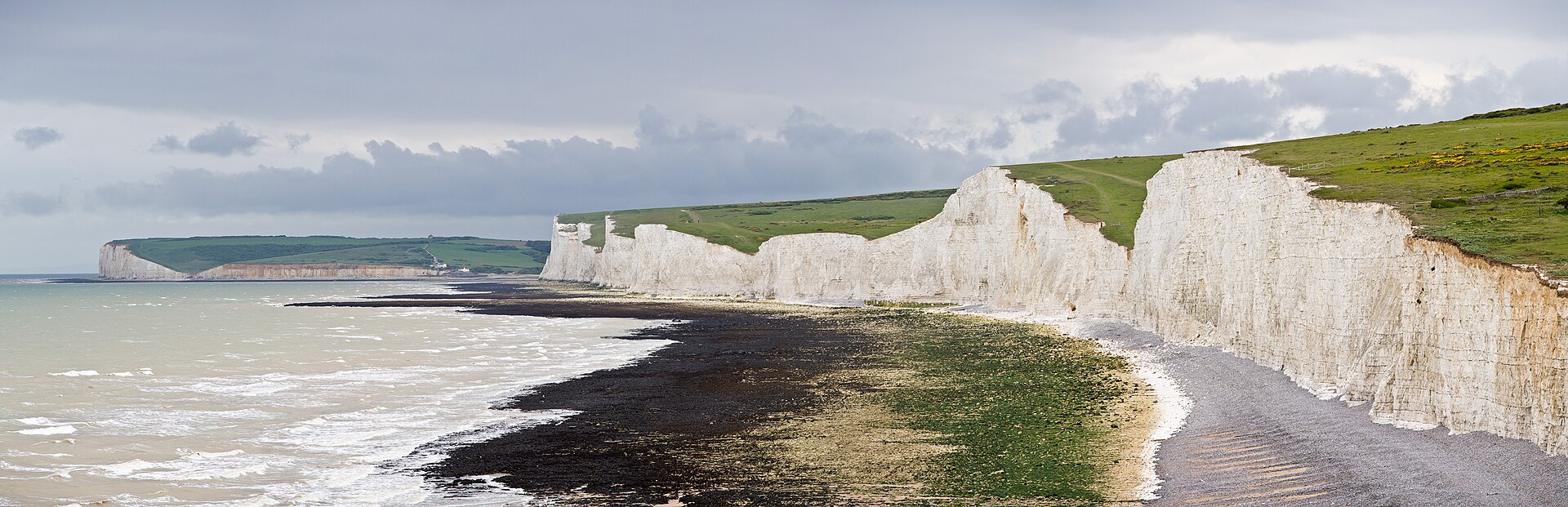

What makes England a must-visit destination?
England combines over 2,000 years of history with modern innovation. From Roman walls to medieval castles, Tudor palaces to Victorian architecture, the country offers an extraordinary journey through time. London alone receives over 30 million international visitors annually.
Beyond the capital, England features UNESCO World Heritage Sites like Stonehenge, Bath's Roman baths, the Lake District's natural beauty, and literary landmarks from Shakespeare to the Brontes. Expert guides unlock stories behind every cobblestone and crown jewel.
Where should you go in England?
The Capital
London alone could occupy weeks — the Tower of London broods over a thousand years of royal intrigue, Buckingham Palace stages its daily pageantry of guards, and the British Museum holds civilizations under a single glass roof.
The North
Head north to Manchester and the mood shifts to red-brick industrial heritage reimagined as creative energy, where Old Trafford draws football pilgrims from every continent and the Northern Quarter pulses with independent record shops, street food stalls, and gallery spaces carved from Victorian warehouses.
What do visitors need to know about England?
Finding a Guide
- Blue Badge Guides — The gold standard, rigorously trained and tested guides recognized by VisitBritain. Find them at www.britainsbestguides.org
- Golden Tours, Evan Evans, and Premium Tours offer group and private experiences with certified guides
- London Walks and Strawberry Tours offer themed tours (Beatles, Harry Potter, Jack the Ripper) with passionate experts
- Historic site guides — Book guided tours directly at Tower of London, Westminster Abbey, and Windsor Castle for in-depth historical context
Typical Costs
| Tour Type | Price Range |
|---|---|
| Group walking tour (2–3 hrs) | £15–25 per person |
| Blue Badge half-day (up to 15) | £200–300 |
| Blue Badge full-day (up to 15) | £400–600 |
| Specialized themed tours | £20–35 per person |
| Private chauffeur-guide | £600–900 per day |
Must-See Experiences
- Tower of London — 1,000 years of history, Crown Jewels, Beefeater tales
- British Museum — Rosetta Stone, Egyptian mummies, world treasures
- Buckingham Palace — Changing of the Guard and State Rooms (summer only)
- Westminster Abbey — Royal coronations, weddings, and burials since 1066
- Shakespeare's Birthplace — Stratford-upon-Avon literary pilgrimage
- Stonehenge — Mysterious prehistoric monument best understood with context
- Roman Baths — Incredibly preserved 2,000-year-old bathing complex
- Lake District — Wordsworth's inspiration and stunning landscapes
Tips for Visitors
- Book Blue Badge guides — The official qualification ensures historical accuracy and storytelling skill
- Free tours exist — Many operate on tips, but quality varies — check reviews
- Pre-book attractions — Tower of London, Stonehenge, and Warner Bros Studio Tour require advance tickets
- Transport included — Some day trips from London include coach transport to Bath, Stonehenge, Oxford
- Tipping culture — 10–15% for private guides, £5–10 for group tours if satisfied
- Weather — Always unpredictable — bring layers and waterproof jacket year-round
- Best months — May–September for longest days, but expect higher prices and crowds
- London Pass — Attraction tickets are usually separate, but the London Pass can offer savings for multiple sites
When is the best time to visit England?
Frequently Asked Questions
What is the best time of year to visit England?
May through September brings the longest days and warmest weather, ideal for walking tours and countryside excursions. Spring gardens peak in April and May, while September offers golden light and thinner crowds. Winter appeals to fans of cozy pubs, Christmas markets, and London's theatre season.
How much does a private tour guide cost in England?
Group walking tours: £15-25 per person (2-3 hours). Blue Badge half-day: £200-300 (up to 15 people). Blue Badge full-day: £400-600. Specialist themed tours such as literary walks or pub history: £20-35 per person.
Do I need to speak the local language to travel in England?
English is the native language, so communication is straightforward. However, regional accents vary considerably — a Geordie in Newcastle sounds nothing like a Londoner — and historical terminology at sites like the Tower of London or Westminster Abbey benefits from a guide who can weave context into the narrative.