
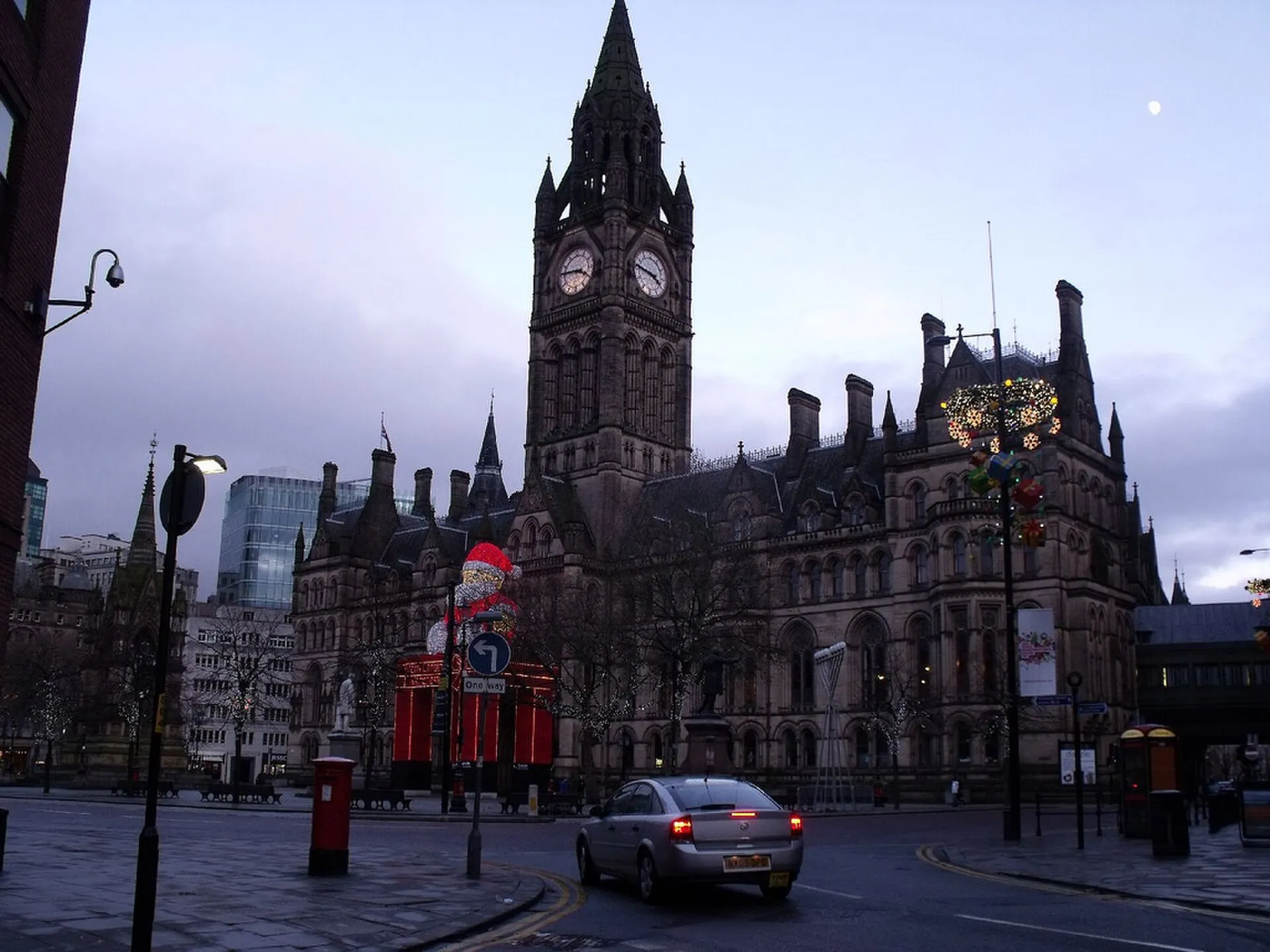
Manchester timeline
-
Mamucium fort founded
The Roman fort established the first urban layer of Manchester.
-
Railway city
The Liverpool and Manchester Railway tied the city to industrial modernity.
-
City status
Manchester's industrial scale was recognized with formal city status.
Cited city facts
Key facts for visiting Manchester
World's first inter-city passenger railway (1830)
The Liverpool and Manchester Railway opened in 1830 from Liverpool Road station — now the world's oldest surviving passenger railway station and the centrepiece of the Science and Industry Museum.
Graphene was first isolated here in 2004
Andre Geim and Konstantin Novoselov isolated the one-atom-thick material graphene at the University of Manchester, work that won the 2010 Nobel Prize in Physics and gave the city its "Graphene City" nickname.
The first stored-program computer ran in 1948
The Manchester "Baby", built at the University of Manchester, executed the world's first stored-program on 21 June 1948 — the direct ancestor of every modern computer.
Peterloo Massacre, 16 August 1819
Cavalry charged a peaceful crowd of some 60,000 demanding parliamentary reform at St Peter's Field; the killing of around 18 people galvanised the campaign for democracy and the founding of the Manchester Guardian.
Source: tour-guide.com — Free to cite with attribution
Things to see
What are the top attractions in Manchester?
Old Trafford and the Northern Quarter headline most itineraries, but Manchester rewards visitors who dig past the obvious. A well-planned day threads together the industrial, the cultural and the sporting:
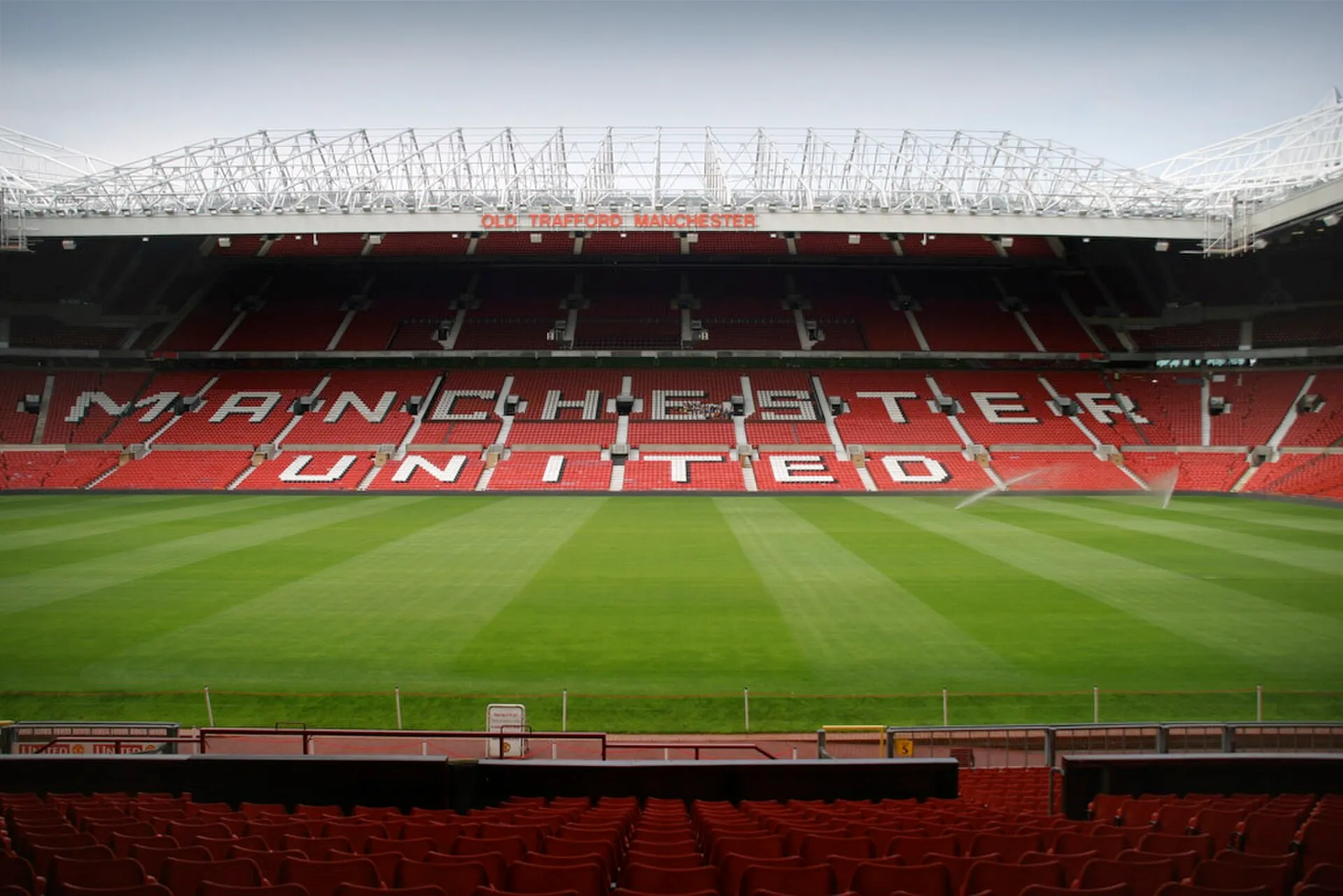
- Old Trafford — the ~74,000-seat "Theatre of Dreams", with a stadium tour and Manchester United museum
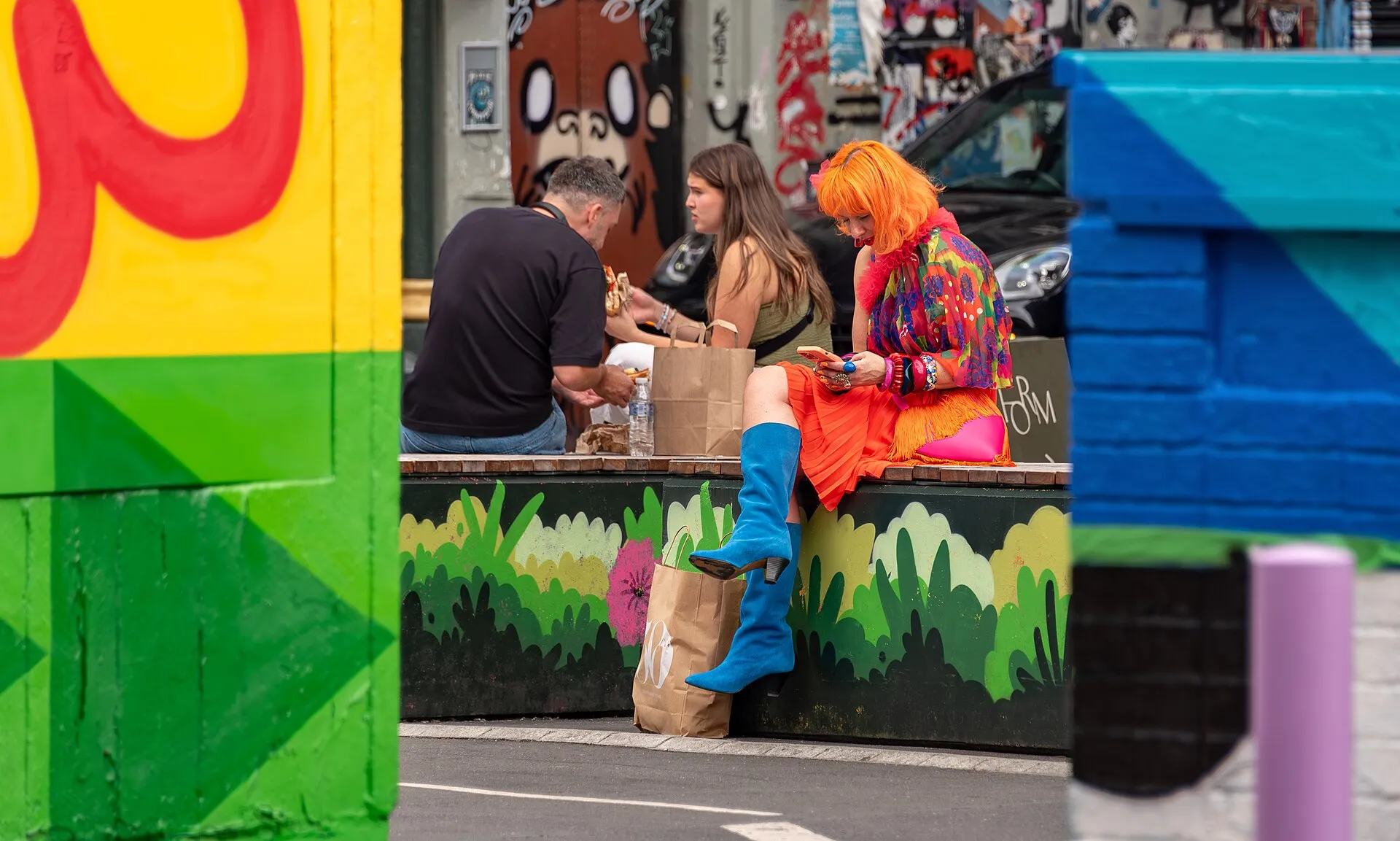
- Northern Quarter — vinyl shops, changing street murals and independent cafés in former cotton warehouses
- Manchester Museum — 4.5 million objects, Egyptian mummies and a living vivarium, free to enter
- Science and Industry Museum — built around Liverpool Road, the world's oldest surviving passenger railway station
- John Rylands Library — Basil Champneys' neo-Gothic cathedral of books, opened in 1900
- Castlefield and the canals — the Roman fort of Mamucium and Britain's first industrial canal
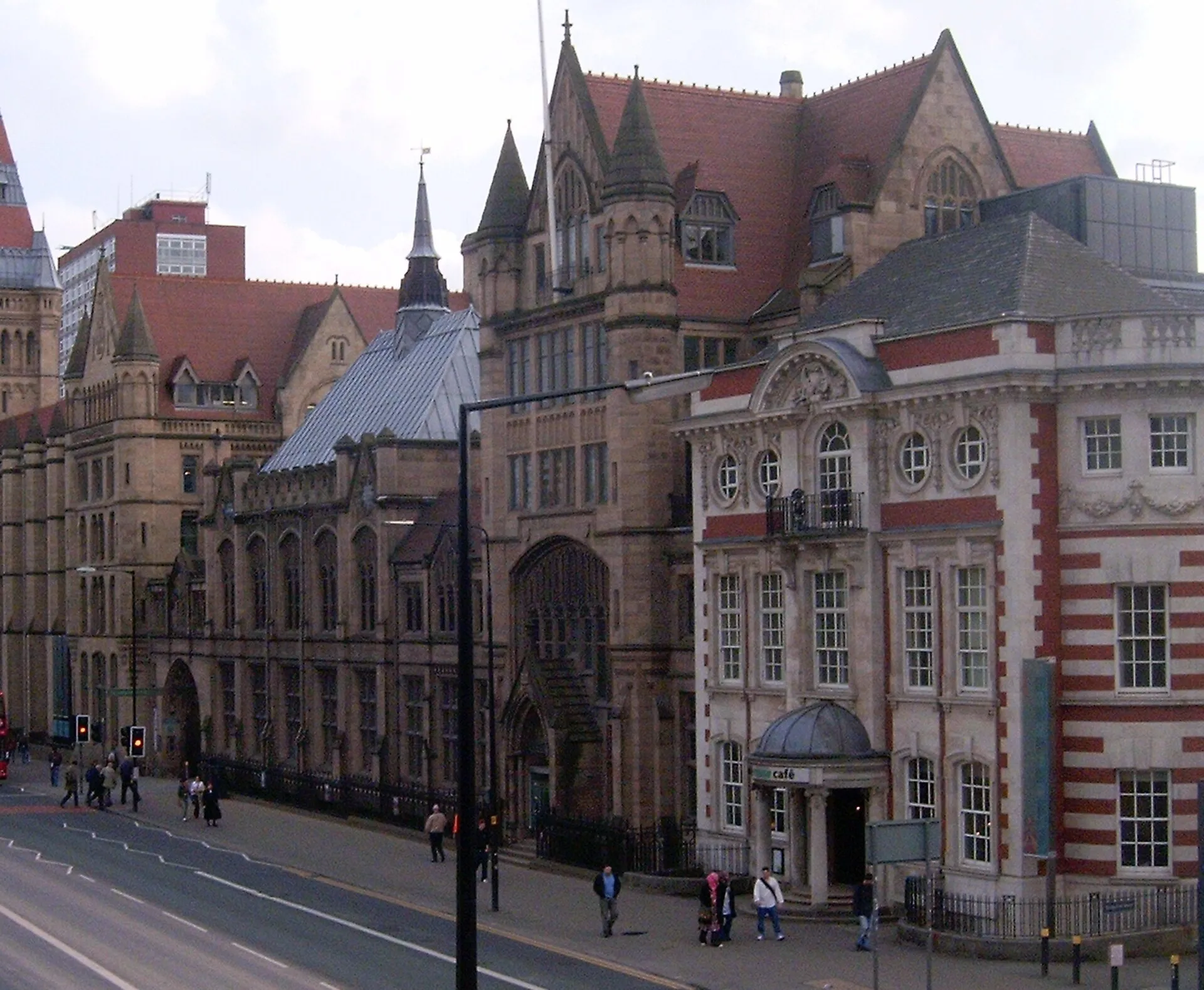
Manchester Museum
World cultures and natural wonders
Northern Quarter
Manchester's creative heartbeat
Old Trafford Stadium
The Theatre of Dreams
Guide planning
How much does a tour guide cost in Manchester?
Manchester is compact enough that a half-day tour covers the essentials, while a full day adds Salford Quays, the stadiums or a Peak District escape. Nationally certified Blue Badge guides command the top rates, and independent walking tours are the budget-friendly way in.
| Tour Type | Price | Details |
|---|---|---|
| Walking tour | £15–25 ($19–32) | Per person, small-group city walks |
| Stadium tour | £29–40 ($37–51) | Old Trafford or the Etihad |
| Half-day private | £150–220 ($190–280) | City-centre highlights |
| Full-day private | £300–450 ($380–570) | Including surrounding sights |
Season planner
When is the best time to visit Manchester?
May to September brings the longest days and the best chance of dry weather, though Manchester's famous rain can arrive in any month — pack a waterproof layer whatever the season. The city stays busy year-round, and much of its cultural life happens indoors, so winter still rewards anyone chasing music venues, galleries and cosy pubs.
A year of Manchester events:
- Chinese New Year (Jan/Feb) — dragon parades around the Imperial Arch in one of the UK's largest Chinatowns
- Great Manchester Run (May) — one of Europe's biggest 10K road races
- Parklife (June) — a major music festival staged in Heaton Park
- Manchester International Festival (odd-numbered years) — a biennial arts festival now anchored at the Factory International / Aviva Studios venue
- Manchester Pride (August bank holiday) — one of Britain's largest LGBTQ+ celebrations, centred on the Gay Village
- Christmas Markets (mid-Nov to Christmas Eve) — among the UK's biggest, spread across Albert Square and beyond
Book football and stadium tours weeks ahead — especially Old Trafford tours during the August–May league season.
Spring
Mar-May
Summer
Jun-Aug
Autumn
Sep-Nov
Winter
Dec-Feb
Each score averages that season’s monthly ratings out of 5. The top-rated window is usually the peak season too, so read the guidance above for its trade-offs before you book.
On the ground
How do you get around Manchester?
- Metrolink tram — Manchester's tram network connects Piccadilly and Victoria stations to MediaCityUK, Old Trafford, and the Etihad Campus. Buy a day travelcard for unlimited rides across zones
- Compact and walkable center — Piccadilly Gardens to the Northern Quarter takes five minutes on foot, and the Oxford Road corridor linking the universities, the Manchester Museum, the Whitworth gallery, and the curry mile stretches about two kilometers in a straight line. Free Metroshuttle buses loop through the center connecting the main rail stations and shopping areas. For trips to the Trafford Centre or airport, regular bus services operated by Stagecoach and First run frequently. Cycling is growing with dedicated lanes along several main routes, and the Bee Network bike hire scheme provides docking stations across the center and Salford Quays
Frequently Asked Questions
What is the best time to visit Manchester?
May to September brings the warmest, driest weather and the longest evenings — ideal for walking tours and canalside terraces — though Manchester's frequent rain means a waterproof layer is wise in any season. The city is a genuine four-season destination: summer delivers festivals such as Parklife and Manchester Pride, autumn the food-and-drink season, and mid-November to Christmas Eve the sprawling Christmas Markets. Book Old Trafford stadium tours and any football tickets well ahead, as they sell out during the August–May season.
How much does a tour guide cost in Manchester?
Small-group walking tours start around £15–25 ($19–32) per person, while a stadium tour of Old Trafford or the Etihad runs £29–40 ($37–51). Expect roughly £150–220 ($190–280) for a half-day of private, city-centre guiding and £300–450 ($380–570) for a full day that can reach Salford Quays or the Peak District. Nationally certified Blue Badge guides sit at the upper end of these ranges.
How do you get around Manchester?
The Metrolink tram network connects Piccadilly and Victoria stations to Old Trafford, the Etihad Campus, and MediaCityUK with affordable day travelcards. The compact city center is highly walkable, and free Metroshuttle buses loop between the main rail stations and shopping areas.
Why is Manchester an important city to visit?
Manchester was the world's first industrial city and remains one of Britain's most influential — the birthplace of the inter-city passenger railway, the first stored-program computer, and the wonder-material graphene, as well as the crucible of political movements from the Peterloo Massacre to the suffragettes. For visitors that translates into an unusually rich mix: the football pilgrimage of Old Trafford, the collections of the Manchester Museum, the independent culture of the Northern Quarter, and a music legacy from Joy Division to Oasis that still fills venues across the city.