
Major City
🇪🇬 Tour Guides in Luxor
The world's greatest open-air museum on the Nile

What makes Luxor a top destination?
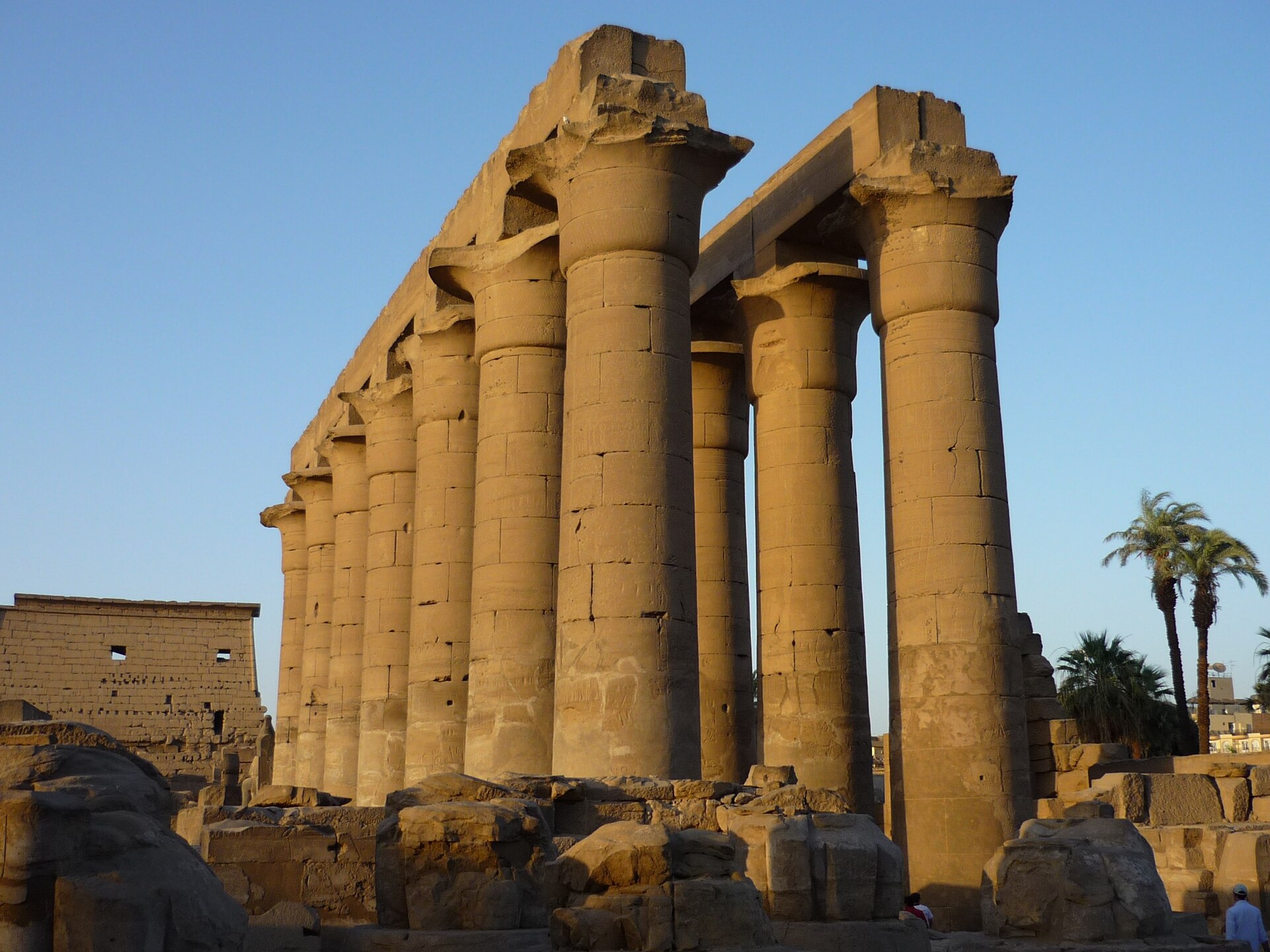
Luxor sits on the site of ancient Thebes, capital of Egypt during the New Kingdom era when pharaohs like Ramesses II and Tutankhamun ruled at the height of Egyptian power. The city straddles the Nile in Upper Egypt, roughly 670 kilometers south of Cairo, and contains a concentration of monuments so dense that archaeologists have barely scratched the surface after two centuries of excavation. The sheer volume of standing temples, painted tombs, and carved obelisks packed into this stretch of river valley earned Luxor its reputation as the largest open-air museum on Earth. The Nile divides Luxor into two profoundly different landscapes. The East Bank, where the sun rises, was the city of the living: Karnak Temple and Luxor Temple anchored religious life, connected by a ceremonial avenue lined with over a thousand sphinx statues recently restored and reopened to pedestrians. The West Bank, where the sun sets, belonged to the dead: pharaohs carved their tombs deep into the limestone cliffs of the Valley of the Kings, while mortuary temples along the desert fringe ensured their eternal worship. A licensed Egyptologist bridges these two worlds, turning weathered stone into vivid stories of power, faith, and afterlife preparation that spanned fifteen centuries of continuous civilization.
What should you see in Luxor?
- Karnak's Great Hypostyle Hall at sunrise — Walk among 134 massive columns as golden light filters through the clerestory gaps, casting patterns that shift by the minute
- Tutankhamun's tomb (KV62) — Howard Carter's 1922 discovery remains the only pharaonic burial found nearly intact, and the painted walls glow under modern lighting
- Luxor Temple after dark — Floodlit columns and statues reflected in the Nile create an atmosphere impossible to experience at any other Egyptian site
- Felucca sail at sunset — Traditional wooden sailboats drift between the East and West Banks as the desert cliffs turn amber and violet
- Hatshepsut's mortuary temple — Terraced colonnades carved directly into the cliff face at Deir el-Bahari honor Egypt's most powerful female pharaoh
- Karnak Sound and Light Show — An evening walk through the illuminated temple complex narrates three thousand years of Theban history
- Tomb of Nefertari (QV66) — Often called the Sistine Chapel of ancient Egypt, its ceiling constellations and wall paintings are the finest in any royal tomb
What does a tour guide cost in Luxor?
Luxor's archaeological complexity makes a knowledgeable guide indispensable:
- Licensed Egyptologists: Egyptian law requires guides at archaeological sites to hold an Egyptology degree and a government badge with photo ID — always verify before starting
- West Bank specialists: Guides who focus on the necropolis tombs can explain hieroglyphic texts, funerary rituals, and the astronomy behind tomb orientation
- Multi-day packages: Luxor rewards slow exploration — many guides offer two- or three-day itineraries combining East Bank, West Bank, and a Nile felucca sail
- Hotel and cruise arrangements: Nile cruise ships docking in Luxor typically employ on-board Egyptologists, and major hotels maintain rosters of vetted private guides
When should you visit Luxor?
Best season: October through March keeps temperatures between 20-30 °C; summer highs routinely exceed 42 °C and make outdoor sightseeing grueling.
What is the best way to get around Luxor?
- Start early — Most sites open at 6 AM — arriving at first light means cooler air, softer photography conditions, and far fewer visitors
- West Bank logistics — Budget a full morning for Valley of the Kings, Hatshepsut Temple, and the Colossi of Memnon — a driver or organized tour simplifies navigation
- Hydration — Carry at least two liters of water per person; dehydration and heat exhaustion are the most common tourist emergencies in Luxor
- Photography permits — Cameras are included at most sites, but specific tombs in the Valley of the Kings charge EGP 300 extra — ask your guide which tombs allow photos
- Dress modestly — Lightweight long sleeves protect against sun and are required inside active mosques; comfortable closed-toe shoes handle sandy, uneven terrain best
- Tipping culture — Baksheesh is customary — EGP 50-100 for tomb guards, 10-15% for private guides, and EGP 20-50 for drivers
Frequently Asked Questions
What is the best time to visit Luxor?
Best season: October through March keeps temperatures between 20-30 °C; summer highs routinely exceed 42 °C and make outdoor sightseeing grueling.
How much does a tour guide cost in Luxor?
A licensed Egyptologist guide for a half-day (East or West Bank) costs roughly $40-80, while a full-day private tour covering both banks runs $80-150. Group tours of Karnak or the Valley of the Kings start around $20-35 per person, and multi-day packages with transport and felucca rides offer better value.
How do you get around Luxor?
Local ferries and motorboats cross the Nile between the East and West Banks for a few Egyptian pounds. On the East Bank, taxis and horse-drawn calèches are common, while the West Bank is best covered by hiring a private car or joining an organized minibus tour. Ride-hailing apps like Uber and Careem also operate in Luxor for convenient point-to-point travel.