
Key Artifacts
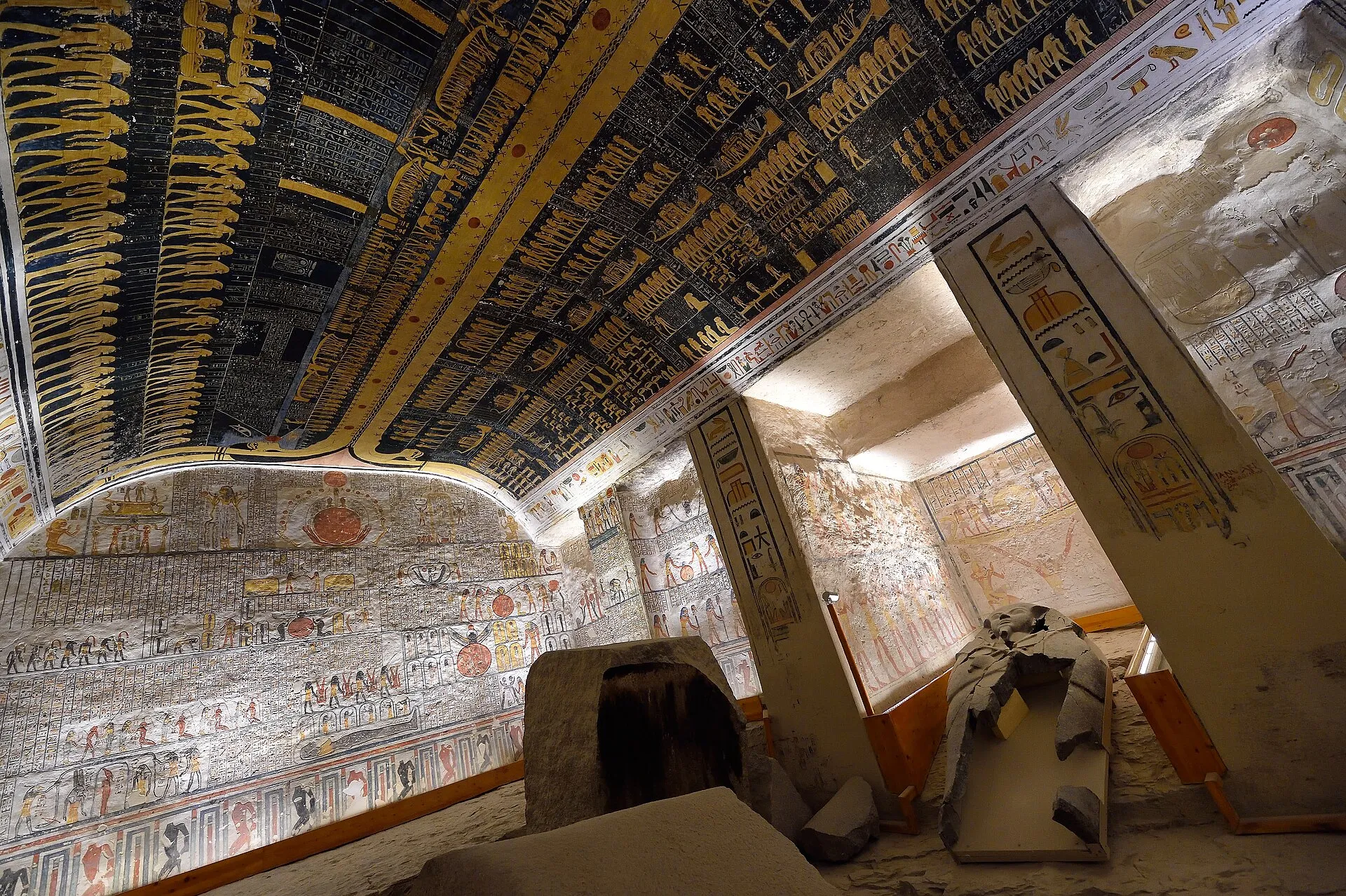
On November 4, 1922, a water boy working for British archaeologist Howard Carter stumbled upon a step cut into the bedrock near the entrance to Ramesses VI's tomb. That step led to a sealed doorway, and behind it lay KV62 -- the virtually intact burial of Tutankhamun, stuffed with over five thousand artifacts including golden shrines, chariots, furniture, and the iconic death mask now displayed in Cairo's Grand Egyptian Museum. Carter spent a decade cataloging the contents. Today the tomb feels surprisingly small -- Tutankhamun died young and was buried hurriedly in a tomb likely intended for someone else. The painted burial chamber remains, its walls depicting the young king's funeral procession. The outer sarcophagus still holds the innermost coffin and the pharaoh's mummy. If you can visit only two tombs beyond the standard ticket, Egyptologists almost universally recommend KV9 (Ramesses V and VI) and KV17 (Seti I). KV9's astronomical ceiling is among the most photographed images in Egyptology: the goddess Nut stretches across the vault, swallowing the sun at dusk and giving birth to it at dawn. KV17 rewards visitors with the longest and deepest tomb -- over 130 meters of corridors decorated with the most refined reliefs ever executed in a royal tomb, its painted ceiling depicting the complete Book of the Night in colors so fresh they seem applied yesterday.
Excavation History
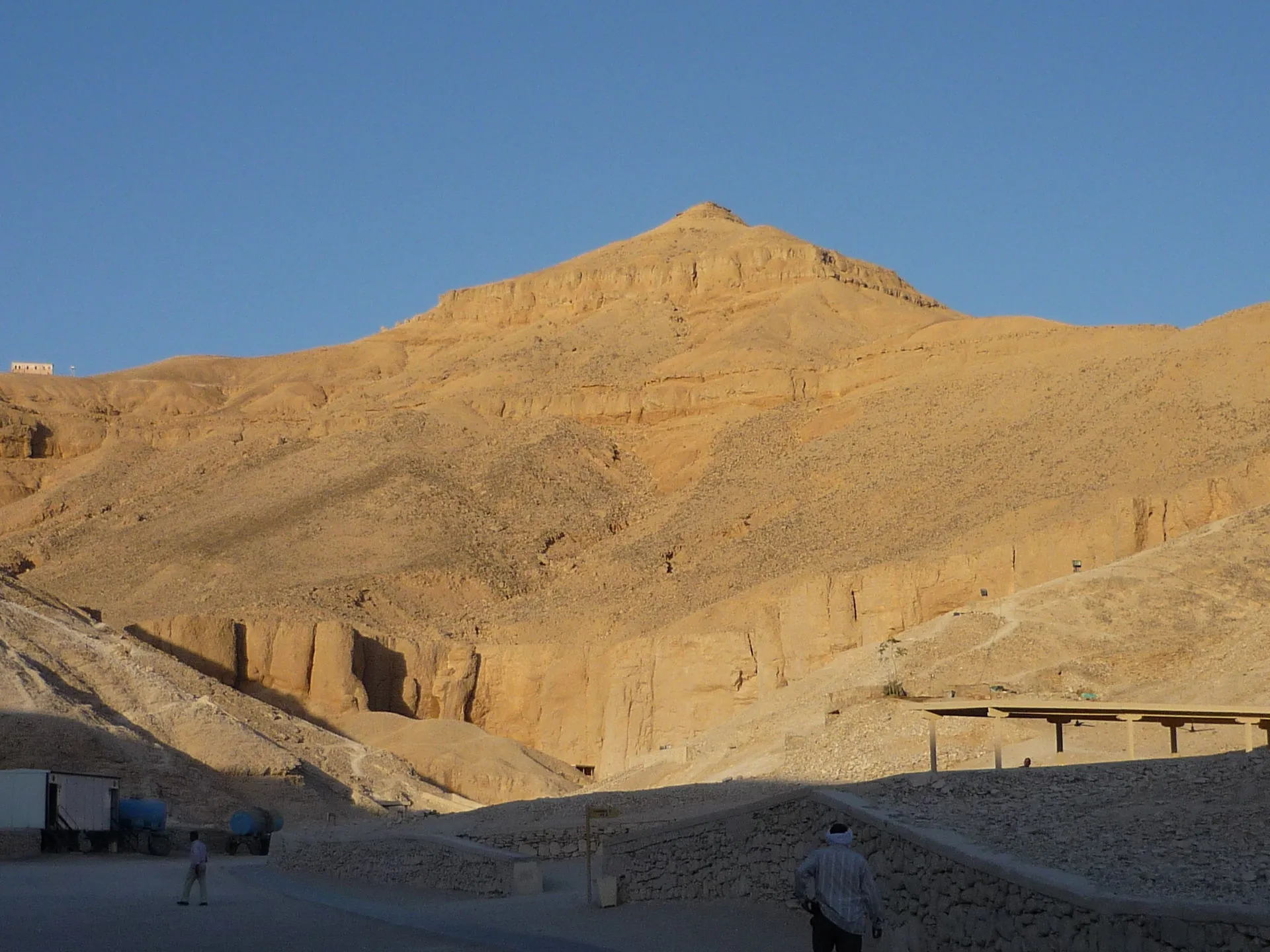
The valley's tombs face constant threats: rising groundwater from irrigation, flash floods that periodically sweep through the wadi, humidity from thousands of daily visitors, and the simple oxidation of pigments exposed to air after three millennia in sealed chambers. The Supreme Council of Antiquities rotates which tombs are open in an attempt to distribute foot traffic and allow recovery periods for the most fragile sites. Some tombs have been closed for decades while conservators stabilize walls, remove salt efflorescence, or install ventilation systems. This uncertainty means that any given visit offers a slightly different selection than the one before. Sixty-three tombs have been discovered so far, ranging from modest single-chamber pits to the labyrinthine 120-room tomb of Seti I. The pharaohs chose this remote valley for a practical reason: the pyramid-shaped peak of al-Qurn rises naturally above it, providing the sacred geometry of a royal burial without the conspicuous target that the Giza pyramids had become for tomb robbers. Despite the secrecy, nearly every tomb was looted in antiquity -- with Tutankhamun's being the spectacular exception that would make this valley world-famous three thousand years later. Guides stay current on the tomb rotation and can advise which open tombs are most worth your limited entries -- local knowledge that proves especially valuable when time is short.
Valley of the Kings in Pictures
When to Visit
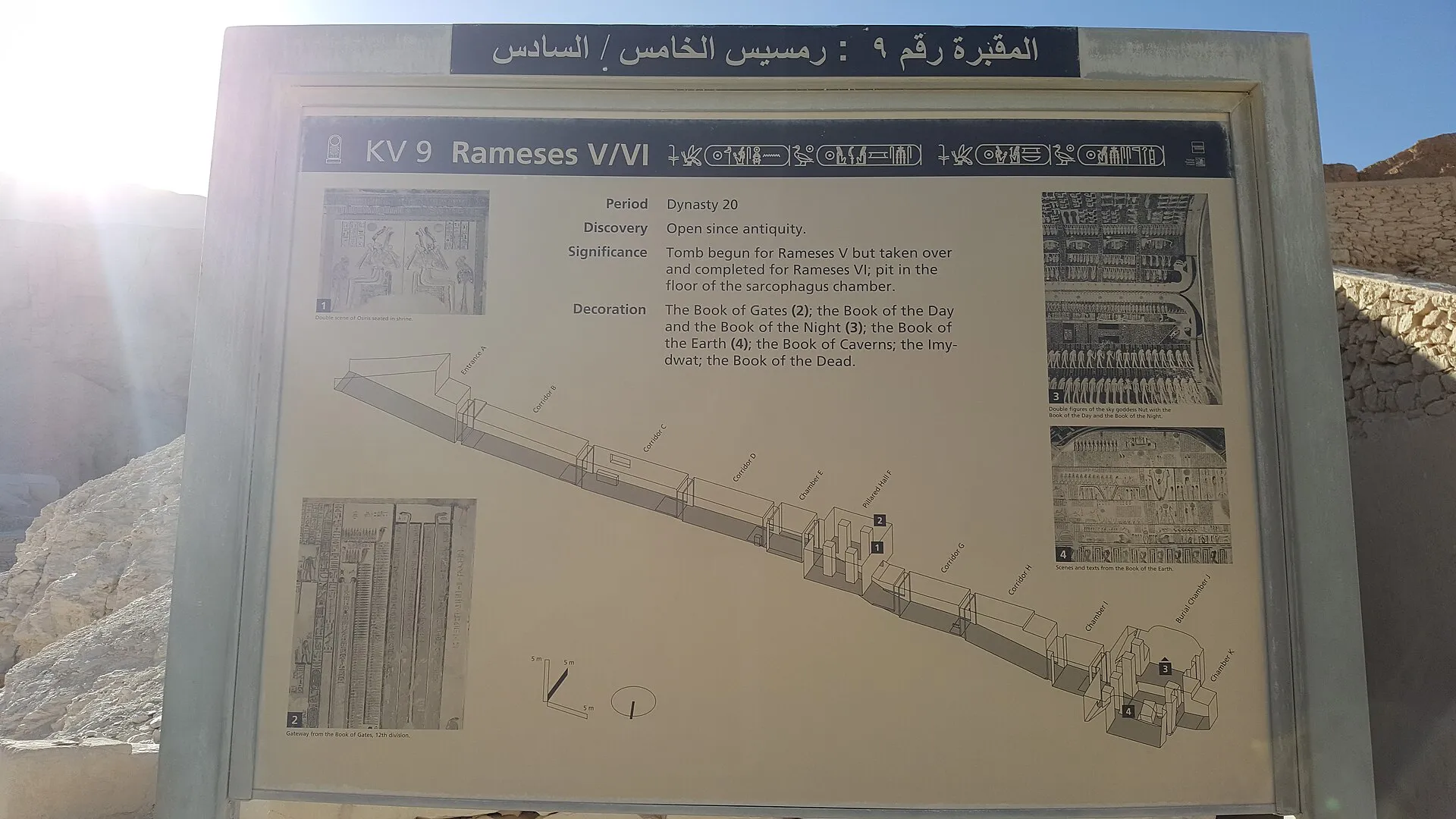
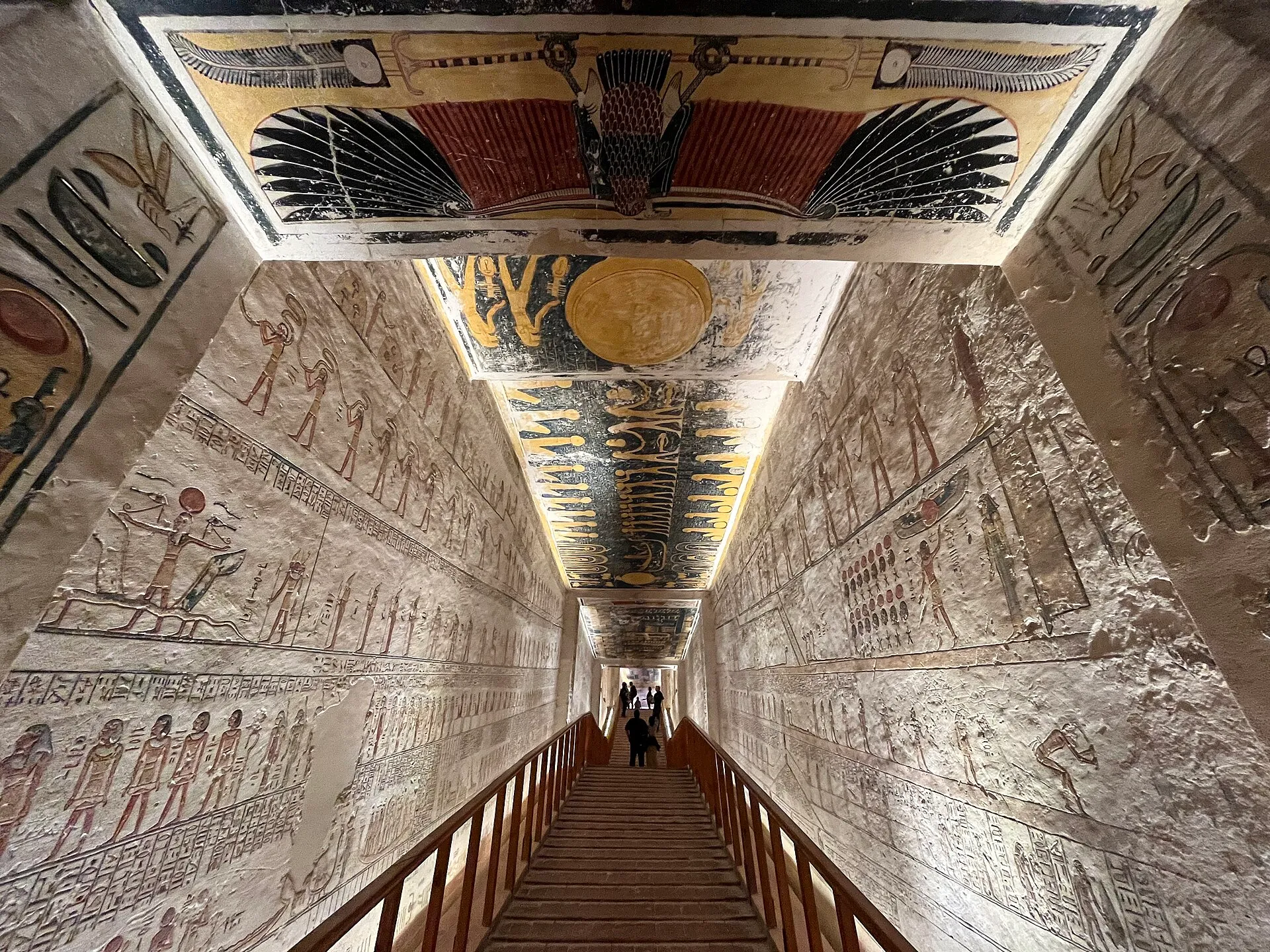
If you can visit only two tombs beyond the standard ticket, Egyptologists almost universally recommend KV9 (Ramesses V and VI) and KV17 (Seti I). Both showcase the pinnacle of New Kingdom funerary art, though in different styles and states of preservation. KV9 is a double tomb, begun by Ramesses V and completed by his successor. Its astronomical ceiling is among the most photographed images in Egyptology: the goddess Nut stretches across the vault, swallowing the sun at dusk and giving birth to it at dawn, while constellations and deities map the heavens in vivid color. The tomb is included in the standard rotation, making it accessible without extra cost, and its relatively wide corridors accommodate groups more comfortably than some alternatives. KV17 requires the premium supplement but rewards visitors with the longest and deepest tomb in the valley. Seti I ruled for only fifteen years, yet his artisans carved over 130 meters of corridors decorated with the most refined reliefs ever executed in a royal tomb. The painted ceiling of the burial chamber depicts the complete Book of the Night in colors so fresh they seem applied yesterday. Access is limited to small groups, and guards enforce strict no-photography rules even with a permit -- the only way to experience KV17 is in person. Gates open at 6 AM and close at 5 PM, with last entry at 4 PM. Arriving at opening is strongly recommended: the early morning light on the surrounding cliffs is spectacular, the air is tolerable, and you may complete your first tomb before cruise ship tour buses begin arriving around 8 AM. By late morning the valley feels like a furnace, and the shuffle from tomb to tomb becomes a test of endurance rather than an exploration. Most visitors arrive as part of a half-day circuit that includes Hatshepsut's mortuary temple at Deir el-Bahari and the Colossi of Memnon.
Admission and Costs
The valley's tombs face constant threats: rising groundwater from irrigation, flash floods that periodically sweep through the wadi, humidity from thousands of daily visitors, and the simple oxidation of pigments exposed to air after three millennia in sealed chambers. The Supreme Council of Antiquities rotates which tombs are open in an attempt to distribute foot traffic and allow recovery periods for the most fragile sites. Some tombs have been closed for decades while conservators stabilize walls, remove salt efflorescence, or install ventilation systems. Others open briefly for special exhibitions, then return to restricted status. This uncertainty is frustrating for visitors planning a once-in-a-lifetime trip, but it also means that any given visit offers a slightly different selection than the one before. Guides stay current on the rotation and can advise which open tombs are most worth your limited entries -- local knowledge that proves especially valuable when time is short. The standard admission ticket (EGP 600, about $12) grants entry to three tombs from a rotating selection. Which three are open on any given day depends on conservation schedules, and this is where a guide's knowledge proves invaluable. Two tombs require separate premium tickets: Tutankhamun's KV62 costs an additional EGP 600, and Seti I's KV17 commands EGP 1,400. The latter is widely considered the finest single tomb in Egypt, its walls covered in perfectly preserved paintings executed with a delicacy found nowhere else. Whether these supplements are worthwhile depends on your interests and budget, but most Egyptologists agree that KV17 justifies its steep price for anyone serious about pharaonic art. A photography permit (EGP 300) allows camera use inside tombs; without it, guards will ask you to put devices away.
The Case for a Guide
In the Valley of the Kings, the paintings on the tomb walls are not decoration but text — an elaborate set of instructions for the afterlife that only an Egyptologist can read aloud in the corridors where they appear.
- Tomb paint pigment sources: The vivid blue in KV62 was Egyptian blue, a synthetic pigment invented around 3000 BCE; the yellow came from orpiment; the brilliant lapis lazuli in certain royal tombs was imported overland from Badakhshan in modern Afghanistan — guides explain the trade networks embedded in each colour and what the choice of pigment revealed about a pharaoh's wealth.
- Which tombs are currently excavated: The rotation of open tombs changes based on conservation schedules that are rarely publicised in advance; a licensed guide checks the current status before arrival and sequences the visit to include the best available combination, an impossible task for independent visitors relying on outdated online information.
- KV62 Tutankhamun's true significance: The tomb is famous for its contents but is actually poor in artistic quality compared to KV17 — Tutankhamun was a minor king buried hurriedly in a small tomb likely intended for someone else; guides explain why the very modesty of the tomb explains its survival while grander tombs were stripped by ancient robbers.
- Tomb painting astronomical charts: The ceiling of KV9 depicts the goddess Nut swallowing the sun at dusk and giving birth to it at dawn, while the surrounding star charts map the northern sky; guides identify specific constellations and explain how the paintings functioned as a navigational guide for the pharaoh's soul through the twelve hours of the underworld night.
- Curse myth origin story: The "Curse of the Pharaohs" was invented by journalists after Lord Carnarvon's death in 1923, four months after the tomb's opening; guides document who survived for decades, explain that Carnarvon was already ill with pneumonia before the discovery, and trace how Arthur Conan Doyle's public comments transformed a tragic death into a global supernatural story.
Tips for Visitors
The valley lies on Luxor's West Bank, roughly seven kilometers from the Nile ferry landing. Most visitors arrive as part of a half-day circuit that includes Hatshepsut's mortuary temple at Deir el-Bahari and the Colossi of Memnon. Private guides typically arrange transport in air-conditioned vehicles, picking up clients from East Bank hotels, crossing the river by bridge, and coordinating arrival times to avoid the worst crowds. At the valley entrance, a small electric tram shuttles visitors between the ticket office and the tomb area for a few Egyptian pounds -- worth taking on the return when fatigue sets in. The walk between tombs is shadeless and can exceed 40°C between April and October; sturdy closed-toe shoes, ample water (at least two liters per person), and sun protection are essential. Temperatures inside the tombs are noticeably cooler but still humid, and the descent into deeper tombs like KV17 involves steep ramps that can be slippery with dust. Without guidance, visitors often queue for the first tombs near the entrance, missing superior options farther into the valley. Guides stay current on the rotation and can advise which open tombs are most worth your limited entries.
Frequently Asked Questions
What season is safest and most enjoyable for the Valley of the Kings?
November through February is the only truly comfortable window, when morning temperatures in the wadi hover around 20-25 degrees before climbing through the day. The enclosed desert valley traps heat like an oven, and summer months from June through August are genuinely dangerous with temperatures regularly exceeding 50 degrees at ground level inside the narrow tombs. Late February and early March offer a brief shoulder season before the heat intensifies.
What time of day is best for touring Valley of the Kings?
Gates open at 6 AM and close at 5 PM, with last entry at 4 PM. Arriving at opening is strongly recommended: the early morning light on the surrounding cliffs is spectacular, the air is tolerable, and you may complete your first tomb before cruise ship tour buses begin arriving around 8 AM. By late morning the valley feels like a furnace.
What is the entrance fee for Valley of the Kings?
The standard admission ticket (EGP 600, about $12) grants entry to three tombs from a rotating selection. Tutankhamun's KV62 costs an additional EGP 600, and Seti I's KV17 commands EGP 1,400. A photography permit costs EGP 300.
Is a guide recommended for visiting Valley of the Kings?
A guide's knowledge proves invaluable — they stay current on the tomb rotation and can advise which open tombs are most worth your limited entries. They turn each visit from a walk through dim corridors into a vivid encounter with pharaonic beliefs about death, judgment, and the journey through the underworld.