
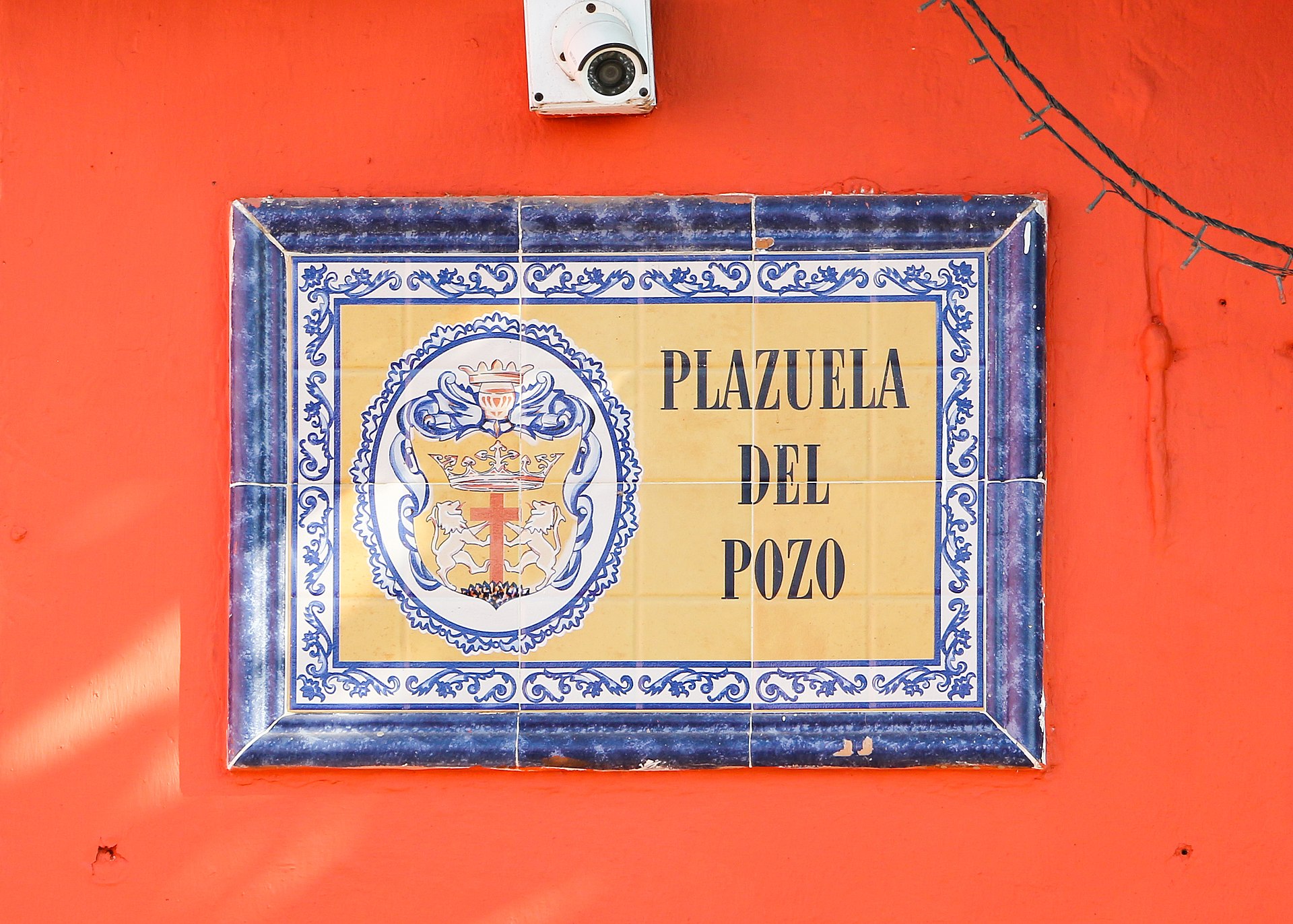

Overview
Just outside the walls of Cartagena's colonial center, Getsemaní was historically the barrio of artisans, fishermen, and Afro-Colombian families — the working-class counterpart to the aristocratic Walled City. It was also the cradle of Cartagena's independence movement: on November 11, 1811, its residents stormed the colonial arsenal and proclaimed freedom. Today, Getsemaní is Cartagena's most creatively alive neighborhood, its walls covered in murals by local and international artists, its plazas hosting nightly gatherings of champeta dancers and domino players, and its streets lined with small restaurants and rooftop bars.
Walking Routes
Murals and graffiti — Every block tells a story, from Afro-Colombian pride to political resistance. Plaza de la Trinidad — The neighborhood's living room where locals dance, play, and socialize nightly. Café Havana — Legendary salsa bar where Clinton once danced — live bands every night. Street food — Arepas de huevo, empanadas, and fresh fruit jugos from corner vendors
Local Life
Domino games unfold nightly on Plaza de la Trinidad's stone benches while champeta bass lines spill from open doorways along Calle de la Sierpe. Morning regulars line up at corner fritanga stands for arepas de huevo and fresh jugo de corozo, and elderly women still sell homemade cocadas from plastic trays balanced on their heads. On Callejón Angosto, barbershops double as informal gathering spots where neighbors trade gossip in the Afro-Caribbean Spanish cadence unique to this barrio.
When to Visit
Daytime: Walk the streets 9 AM – 5 PM for street art and quieter exploration. Evenings: Plaza de la Trinidad fills with locals after 7 PM — the neighborhood's heartbeat. Best for photos: Morning light hits the east-facing murals perfectly. Nightlife: Thursday through Saturday, Café Havana and rooftop bars come alive after 10 PM
Admission and Costs
Walking the neighborhood: Free. Street art tour: COP 50,000–100,000 ($12–25) per person. Food and culture tour: COP 100,000–180,000 ($25–45) per person. Live music cover charge: COP 20,000–40,000 ($5–10) at Café Havana. Private guide: COP 150,000–300,000 ($37–75) for 2–3 hours
Tips for Visitors
Gentrification awareness: Getsemaní is changing rapidly — support local businesses over chains. Evening safety: Stick to main streets and the plaza after dark; the neighborhood is lively but use common sense. Respecting residents: This is a residential barrio — keep noise down in side streets and ask before photographing people. Pair with the Walled City: The Walled City is a 5-minute walk through the Clock Tower gate. Dancing shoes: If you visit Café Havana, expect to dance — standing still isn't really an option