

Overview
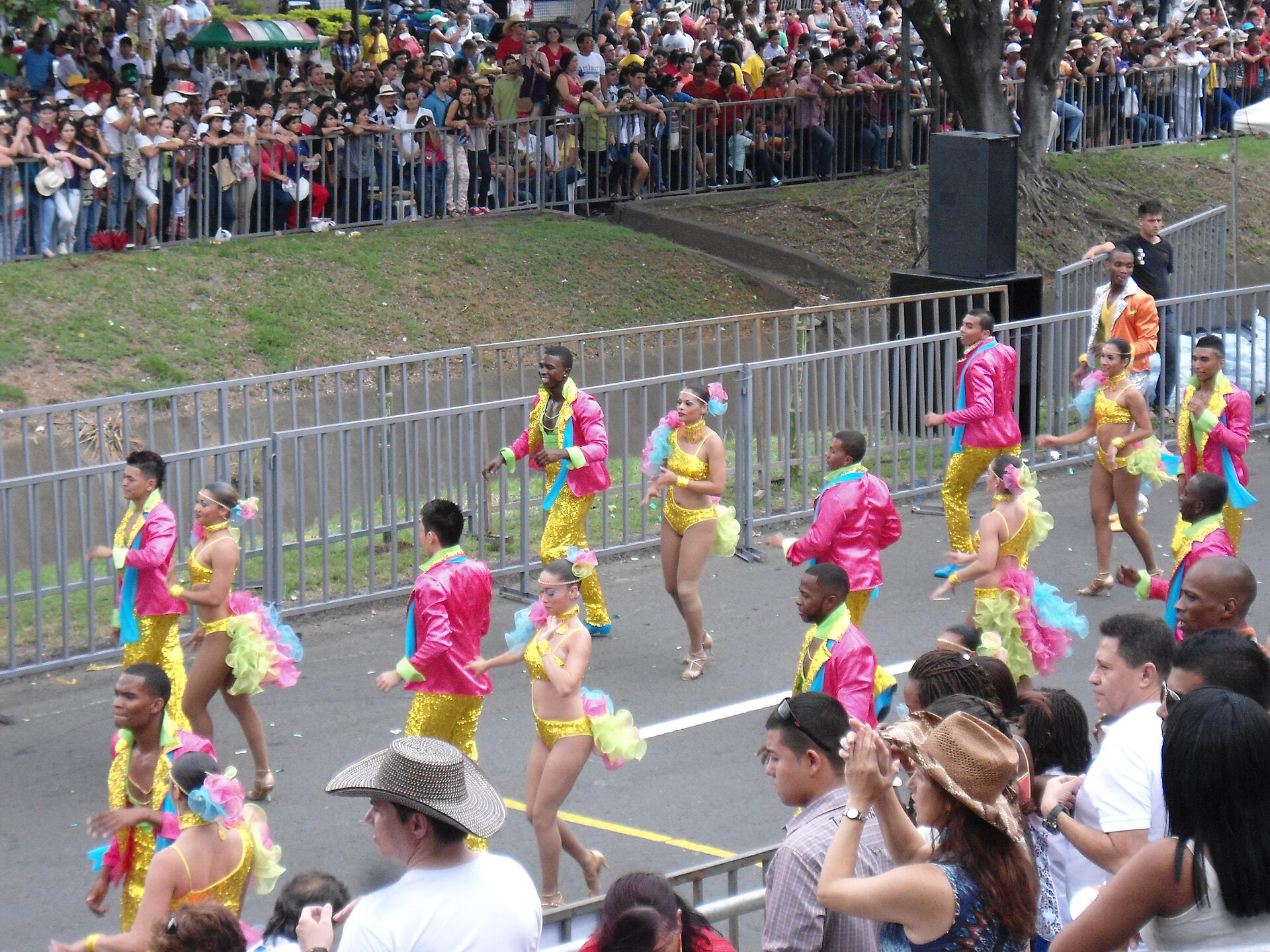
Cali didn't invent salsa — that credit goes to New York and the Caribbean — but it took the music and created something entirely its own. Caleña salsa is danced at breakneck speed with intricate footwork that barely moves the upper body, a style so distinctive it has its own name worldwide. The city is home to over 100 salsa schools, dozens of live-music venues called salsatecas, and the famous Feria de Cali festival each December. Salsa here isn't a tourist performance — it's the fabric of daily life, heard in taxi radios, practiced in living rooms, and danced in parks, street corners, and legendary clubs from dusk until dawn.
Events Schedule
Salsateca Tin Tin Deo — The most legendary salsa club in Cali, where dancers of all ages share the floor. Live orchestra nights — Hear full salsa bands with brass, congas, and timbales at La Topa Tolondra. Dance school experience — Learn the rapid-fire caleña footwork from patient instructors. Delirio — A monthly salsa-circus spectacular combining choreography, acrobatics, and live music
Seating Guide
Choosing the right seats or viewing position at Cali Salsa Scene can make the difference between a good experience and a great one. Guides and experienced visitors recommend specific locations based on the type of event, sightlines, and acoustics.
When to Visit
Dance lessons: Most schools offer classes 5–9 PM daily. Salsatecas: Open 9 PM – 4 AM, but don't fill until 11 PM or later. Best nights: Thursday ("jueves de rumba"), Friday, and Saturday. Feria de Cali: December 25–30 — the city's massive annual salsa festival
Admission and Costs
Group salsa lesson (1 hour): COP 30,000–60,000 ($7.50–15). Private lesson: COP 80,000–150,000 ($20–37) per hour. Salsateca cover charge: COP 15,000–30,000 ($3.75–7.50). Guided salsa night tour: COP 120,000–200,000 ($30–50) per person, includes lesson + club entry. Delirio show (monthly): COP 80,000–250,000 ($20–60) depending on seating
Tips for Visitors
Take a lesson first: Even one hour transforms your confidence on the dance floor — locals love seeing foreigners try. Dress to move: Light, breathable clothes and shoes you can pivot in — no flip-flops. Don't be shy: Caleños will invite you to dance regardless of skill level — it's the spirit that matters. A guide helps: Salsatecas aren't on Google Maps — a local guide takes you to the real spots, not tourist traps. Pace yourself: Nights run until 3–4 AM — start with a lesson, dinner, then the clubs