
.jpg)
Overview
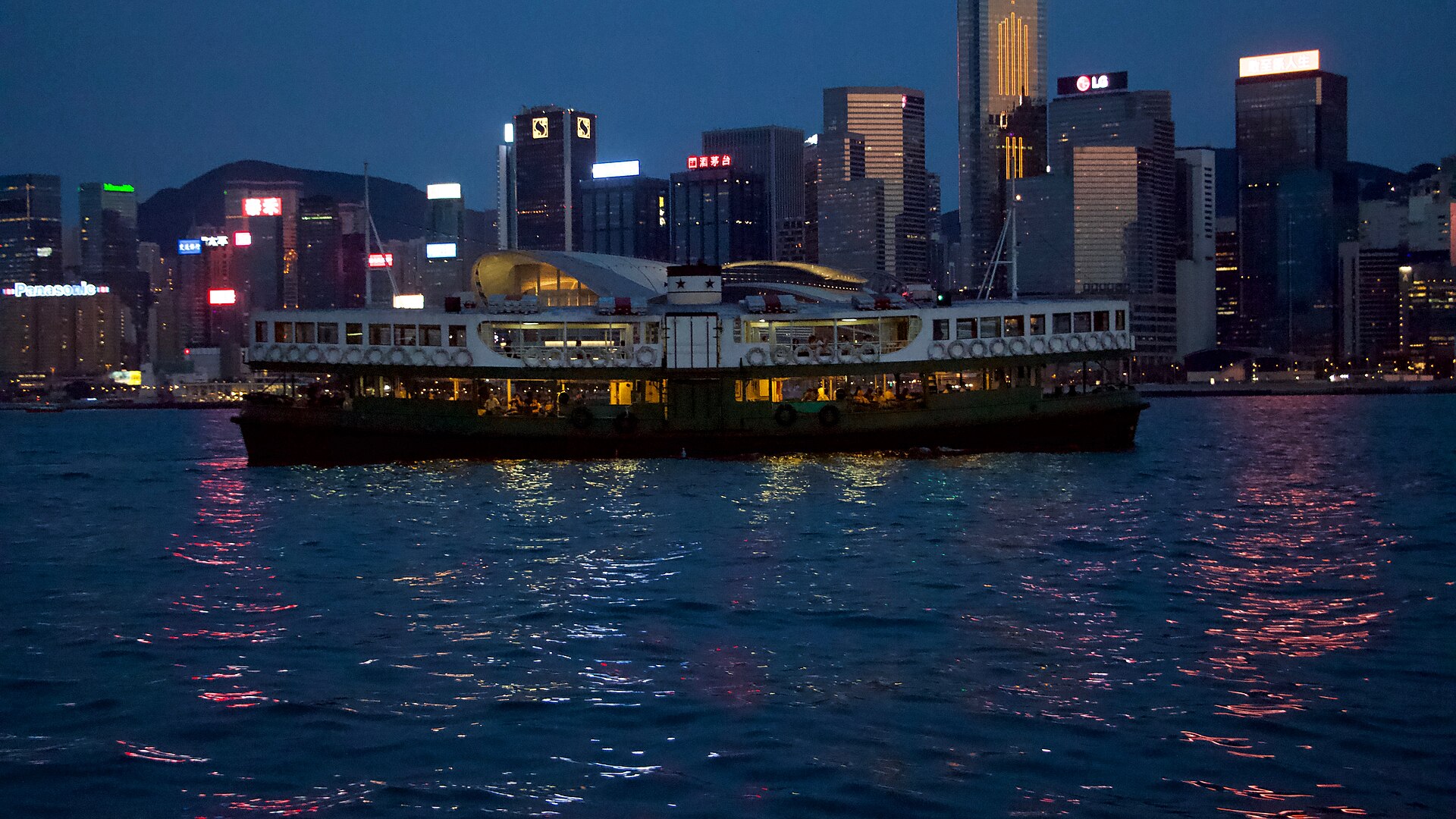
The Star Ferry has been shuttling passengers between Kowloon and Hong Kong Island since 1888, making it one of the oldest continuously operating ferry services anywhere in the world. Each green-and-white double-decker vessel churns across Victoria Harbour in roughly eight minutes, threading between cargo ships, junks, and high-speed hydrofoils while a wall of glass and steel rises on both shores. The fleet still relies on diesel engines that rumble beneath wooden-slatted bench seats, and deckhands still catch mooring ropes by hand at each pier. For the price of a bottled water, riders get a front-row seat to a panorama that travel magazines have spent decades trying to capture: the jagged skyline of Central and Admiralty backed by the green flanks of Victoria Peak, all reflected in the harbour's dark, busy water. The Tsim Sha Tsui waterfront promenade on the Kowloon side extends from the ferry pier past the Avenue of Stars, where bronze statues of Hong Kong film legends line the railing. Every evening at 8:00 PM, buildings on both shores erupt into the Symphony of Lights laser show, and the best free seats in the house are right here on this promenade. A crossing on the Star Ferry pairs naturally with a night of street food at Temple Street Night Market, just a short walk north from the Kowloon pier, or with a day trip to Tian Tan Buddha on Lantau Island. Visitors exploring further afield across China often find the harbour ride a fitting bookend to trips through Shanghai's Bund waterfront or Guangzhou's Pearl River. For official information, see Star Ferry official site.
Engineering Facts
Upper deck open-air seats: The upper level's open sides let harbour wind rush through and camera lenses hang over the water without glass in the way. Avenue of Stars: A Kowloon-side waterfront walk studded with handprints and statues of Bruce Lee, Anita Mui, and other Hong Kong cinema icons. Symphony of Lights: Forty-plus skyscrapers fire synchronized lasers and spotlights across the harbour — the Guinness-certified largest permanent light-and-sound show on the planet. Tsim Sha Tsui Clock Tower: A 44-meter red-brick tower from the original Kowloon-Canton Railway terminus, standing sentinel beside the ferry pier since 1915. Heritage fleet vessels: Several ferries in operation date back decades, with polished brass fittings and wooden bench seats that creak with every swell. Golden hour from mid-harbour: Photographers prize the moment when the sun drops behind Kowloon and the Island's towers turn amber, visible only from the water.
When to Visit
Tsim Sha Tsui to Central route: 6:30 AM to 11:30 PM daily, with ferries departing every 6-12 minutes. Tsim Sha Tsui to Wan Chai route: 7:20 AM to 11:00 PM daily, departures every 8-20 minutes. Symphony of Lights: Nightly at 8:00 PM, lasting approximately 10 minutes, visible from the Tsim Sha Tsui promenade. Best time to ride: Board a ferry from Kowloon at 7:30 PM to watch the Hong Kong Island skyline ignite as dusk settles, then walk back along the promenade for the laser show.
Admission and Costs
Upper deck fare: HK$3.70 weekdays, HK$3.70 weekends and holidays (adult). Lower deck fare: HK$2.70 weekdays, HK$3.20 weekends and holidays (adult). Payment: Octopus card tap-in at the turnstile, or exact change into the coin slot — no change given. Children and seniors: Roughly half the adult fare on both decks.
Tips for Visitors
Sit upper deck, Kowloon-facing side: When departing from Central, the right side of the upper deck gives the best views of the skyline receding behind you. Use an Octopus card: The turnstile coin slots do not give change, and fumbling for exact coins while commuters push past is no one's idea of fun. Ride twice: The day crossing and the night crossing are completely different experiences; budget time for both, since the fare barely registers. Walk the promenade first: Strolling from the Clock Tower to the Avenue of Stars takes about 15 minutes and sets the scene before you board. Combine with the harbour walk: The Central pier connects directly to the IFC Mall and elevated walkways leading into the heart of Central district.