
Major City
🇨🇦 Tour Guides in Quebec City
North America's most European city, founded in 1608
.jpg)
What makes Quebec City a top destination?
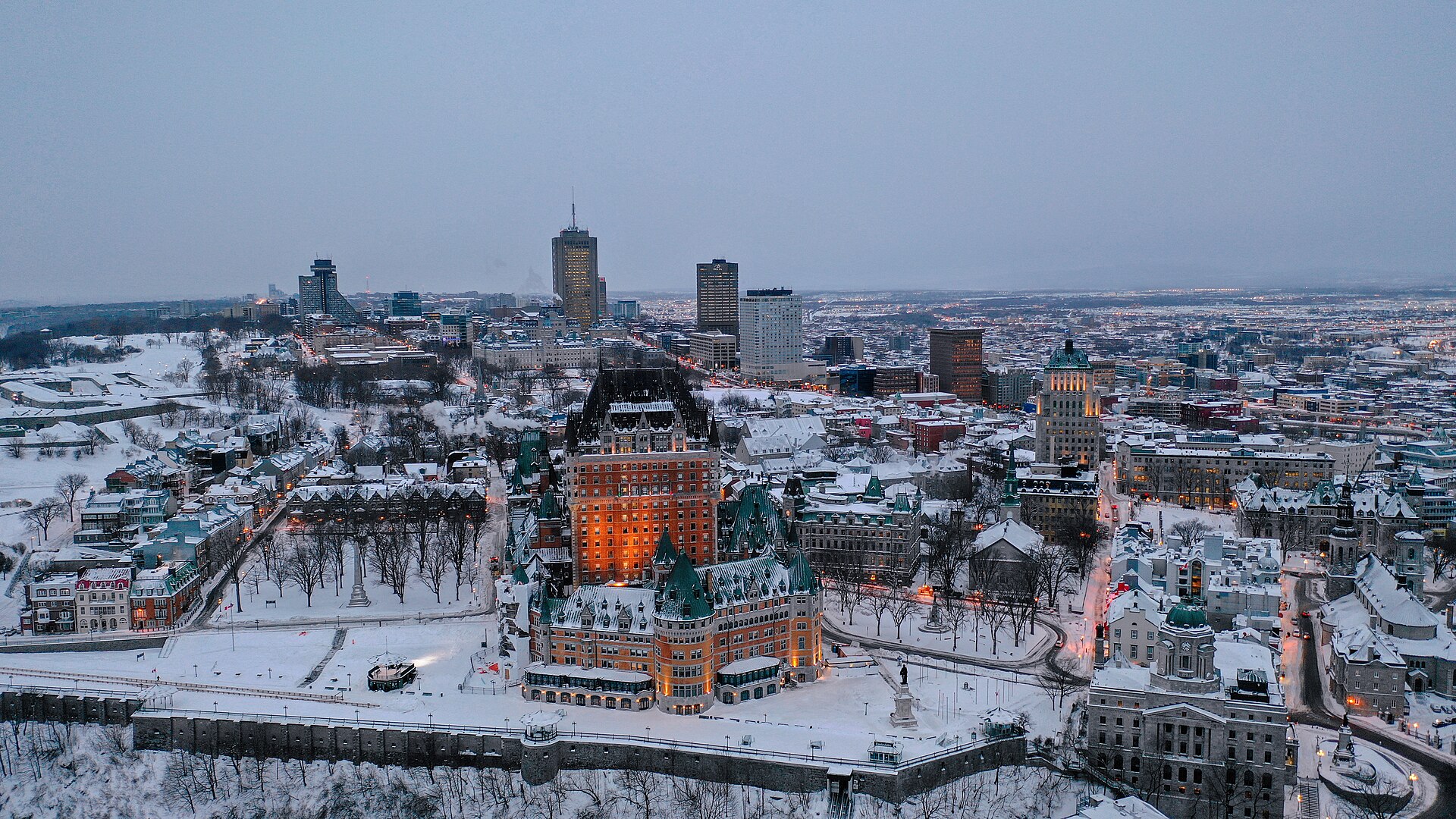
Quebec City feels like stepping into a different continent. Founded by Samuel de Champlain over four centuries ago, it remains the only walled city north of Mexico, its fortifications encircling narrow streets lined with stone houses, copper-roofed churches, and tucked-away bistros serving tourtière and crêpes. The Château Frontenac presides over the clifftop skyline like a fairytale castle, while the lower town's Place Royale marks the spot where French civilization took root in the Americas. Because Quebec City is overwhelmingly francophone, an English-speaking guide is particularly valuable. They bridge the language gap while unlocking stories about the 1759 Battle of the Plains of Abraham, the evolution of Québécois cuisine, and the city's transformation into a winter wonderland during Carnaval season.
What should you see in Quebec City?
- Château Frontenac boardwalk — Dufferin Terrace offers sweeping river and lower-town panoramas
- Petit-Champlain quarter — The narrowest, most charming shopping street in North America
- Montmorency Falls zipline — Soar 300 metres across the face of the cascade
- Winter Carnival — Ice palaces, night parades, and canoe races on the frozen St. Lawrence
- Île d'Orléans — A pastoral island of farmsteads, vineyards, and maple sugar shacks
- Place Royale murals — Trompe-l'oeil frescoes depicting four centuries of Quebec life
🏰 Château Frontenac
The world's most photographed hotel crowning Quebec's skyline
🏞️ Montmorency Falls
An 83-metre cascade that towers over Niagara
🏘️ Old Quebec
The only walled city in North America, frozen in time since 1608
🏛️ Place Royale
Birthplace of French civilization in the Americas
What does a tour guide cost in Quebec City?
| Tour Type | Price | Details |
|---|---|---|
| Group Walking Tours | CA$25-40 | ~US$19-30 per person |
| Ghost & History Tours | CA$30-50 | ~US$22-37 evening tours |
| Private Half-Day | CA$200-350 | ~US$148-259 |
| Private Full-Day | CA$380-600 | ~US$281-444 |
When should you visit Quebec City?
The Quebec Winter Carnival in late January and February is one of the world's largest winter festivals, featuring ice palace sculptures, night parades, and canoe races across the frozen St. Lawrence River. Summer from June through August fills the Old Town with outdoor concerts, the Festival d'été music festival, and long warm evenings on the Dufferin Terrace boardwalk. Autumn is spectacular on Île d'Orléans, where the pastoral island's vineyards and maple groves turn brilliant shades of crimson and amber from late September through mid-October. Spring thaw in April and May brings quieter streets, budding gardens along the fortification walls, and the sweet smell of fresh maple syrup flowing from cabanes à sucre across the surrounding countryside.
What is the best way to get around Quebec City?
- French is essential — Quebec City is more francophone than Montreal—bilingual guides make navigation effortless
- Wear sturdy shoes — The Old Town's cobblestones and steep hills demand comfortable footwear
- Funicular shortcut — The Old Quebec funicular connects upper and lower town for CA$4 each way
- Cruise ship days — When ships dock, the Old Town gets crowded—morning or evening visits are calmer
Frequently Asked Questions
What is the best time to visit Quebec City?
The Winter Carnival in late January and February is a world-famous festival with ice palaces and canoe races. Summer fills the Old Town with outdoor concerts and the Festival d'été. Autumn brings stunning leaf color on Île d'Orléans, and spring means maple syrup season at nearby cabanes à sucre.
How much does a tour guide cost in Quebec City?
Group Walking Tours: CA$25-40 (US$19-30 per person). Ghost & History Tours: CA$30-50 (US$22-37 evening tours). Private Half-Day: CA$200-350 (US$148-259). Private Full-Day: CA$380-600 (US$281-444)
How do you get around Quebec City?
Old Quebec is compact and best explored on foot, with a funicular linking the upper and lower town. Local RTC buses connect the historic core to surrounding suburbs and attractions.