
.JPG)
Overview
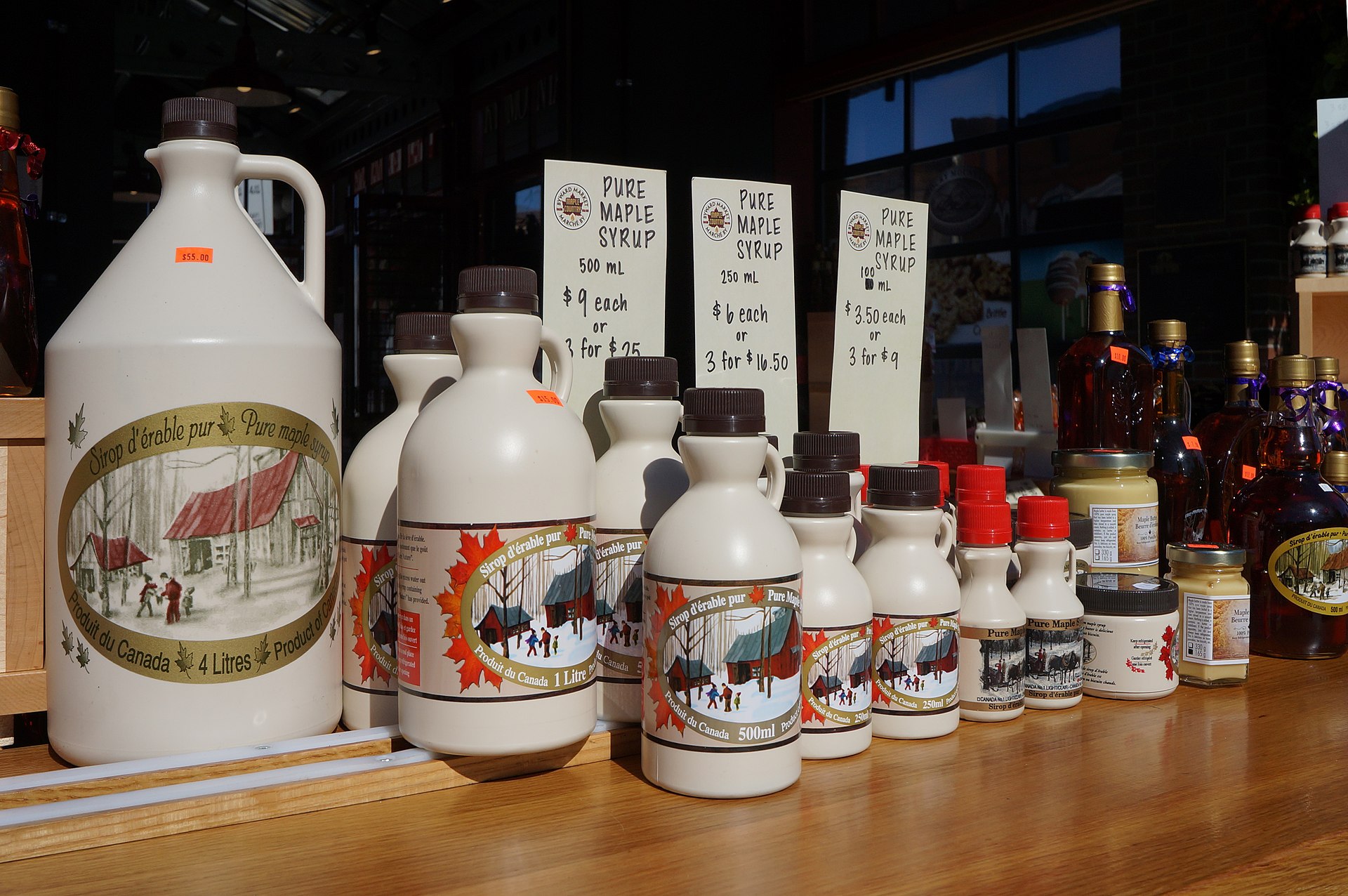
Lieutenant Colonel John By — the same Royal Engineers officer who carved the Rideau Canal through the Canadian wilderness — laid out the market square in 1826 as the commercial nucleus for the workers and settlers drawn to his canal project. Nearly two centuries later, ByWard Market endures as one of Canada's oldest and most vibrant public markets, a four-block district where farmers from the Ottawa Valley have sold produce continuously since before Confederation. The outdoor vendors still arrive before dawn in season, stacking wooden tables with Ontario strawberries, Quebec corn, jars of golden and amber maple syrup graded by colour, bunches of sunflowers, and baskets of wild blueberries gathered from Shield country north of the city. The enclosed ByWard Market Building at the district's centre houses a year-round collection of butchers, bakers, cheese sellers, and specialty importers who keep the neighbourhood fed through the long winter months when the outdoor stalls disappear under snow. Surrounding this commercial core is a tangle of restaurants, pubs, cafes, and late-night bars that give the area its second life after the farmers pack up — a district where patio season is treated with the seriousness of a national holiday and the first warm evening of spring fills every sidewalk table within the hour. This is also the spot where BeaverTails were born: the original stand opened here in 1978 and still pulls a line of customers waiting for that signature fried dough stretched into the shape of a beaver's tail and dusted with cinnamon sugar. The market sits at the foot of Sussex Drive, the ceremonial boulevard that leads past the National Gallery and the Prime Minister's residence, grounding one of the capital's grandest thoroughfares in the earthy reality of bushels and barter.
What To Buy
Seasonal outdoor vendors: From spring asparagus through autumn squash, the open-air tables track the Ottawa Valley growing season in real time — regulars visit weekly to see what the latest harvest has brought in, and vendors are happy to share recipes and growing tips. Maple products: Sugar shacks from Lanark County and the Gatineau Hills sell syrup, butter, candy, and maple-smoked meats directly to shoppers, offering tastes so you can compare terroirs before committing to a bottle. ByWard Market Building: The indoor hall shelters a permanent collection of artisan food purveyors — handmade pasta, sourdough loaves pulled from the oven that morning, aged cheeses, and imported spices — all under one weatherproof roof. Original BeaverTails stand: The first-ever BeaverTails location opened here in 1978, and the queue that forms on a cold afternoon is a rite of passage for every visitor to the capital — the pastry is best eaten immediately, still steaming, while wandering the cobblestone lanes. Restaurant and bar district: The blocks surrounding the market support everything from wood-fired pizza joints and Vietnamese pho houses to upscale French bistros and rooftop cocktail bars, all within a five-minute walk of the farmer stalls. Sussex Drive connection: From the market's northern edge, Sussex Drive stretches toward the National Gallery of Canada, the Royal Canadian Mint, and the Prime Minister's residence at 24 Sussex — a ceremonial axis that begins in the cheerful chaos of vegetable crates and flower buckets.
Food Stalls
The market's culinary identity spans two centuries of Ottawa Valley farming tradition merged with the capital's multicultural dining scene. At the outdoor stalls, the Savour Ottawa network connects local farms directly with urban buyers — look for Acorn Creek organic vegetables, Hall's Apple Market heirloom cider apples, and Pelican wild blueberries gathered from Canadian Shield lakes. Inside the ByWard Market Building, Lapointe Fish has supplied the capital's restaurants since 1867, selling Atlantic salmon, Arctic char, and Lake Huron pickerel from behind a counter that recalls a Maritimes fish market. Le Moulin de Provence bakery — made famous when President Obama stopped in for a cookie in 2009 — fills the hall with the scent of fresh croissants and pain au chocolat. The original BeaverTails stand remains the market's most iconic food stop: hand-pulled fried dough served with toppings ranging from classic cinnamon sugar to Killaloe Sunrise (lemon and sugar) — best eaten piping hot while walking the lanes. Guided food tours coordinated by local operators thread together 6-8 vendor tastings with historical context, connecting the market's 1826 founding to today's farm-to-fork movement.
When to Visit
Outdoor vendors: Daily 6 AM - 6 PM from May through October, though the earliest farmers begin setting up well before sunrise. ByWard Market Building: Indoor vendors open daily year-round, generally 9 AM - 6 PM with extended hours on Saturdays. Restaurants and bars: Most open for lunch through late evening; the surrounding blocks stay lively until well past midnight on weekends. Best time: Saturday mornings between 8 AM and 10 AM in late summer, when the outdoor stalls overflow with peak-season produce and the morning crowd is browsing rather than rushing. Winter visits: The indoor market and restaurants operate year-round; the district also hosts holiday pop-up markets with handmade gifts and seasonal treats from mid-November through December.
Admission and Costs
Market entry: Free — there is no admission charge to browse the outdoor stalls or the indoor market building. BeaverTails: CA$6-9 per pastry at the original stand and its offshoots around the market; classic cinnamon sugar is the purist's choice, though seasonal toppings rotate throughout the year. Artisan maple syrup: CA$12-18 per bottle depending on grade and producer — darker grades pack a more robust, caramel-forward flavour favoured by local cooks. Food tour with guide: CA$65-90 per person for a two- to three-hour walking tour that threads through vendor stalls, hidden kitchens, and neighbourhood restaurants with curated tastings at each stop.
Tips for Visitors
Bring cash for small vendors: While the indoor shops and restaurants accept cards, many seasonal outdoor vendors prefer cash — there are ATMs scattered throughout the district. Start with coffee: Several specialty roasters operate within the market area; grab an espresso from a local cafe before diving into the stalls to fuel a proper morning of browsing and tasting. Combine with the canal: The Rideau Canal locks are a five-minute walk south of the market, making it easy to pair a morning of shopping with an afternoon skate in winter or a riverside walk in summer. Evening transformation: The market takes on a completely different character after dark — patios light up, live music spills from doorways, and the dining scene rivals neighbourhoods in cities three times Ottawa's size. Parking strategy: Street parking is scarce and metered; the underground garage beneath the market building or the Dalhousie lot a block east are more reliable options, though arriving by foot from a nearby hotel or via the Confederation Line LRT is simpler still.