
Walking Routes
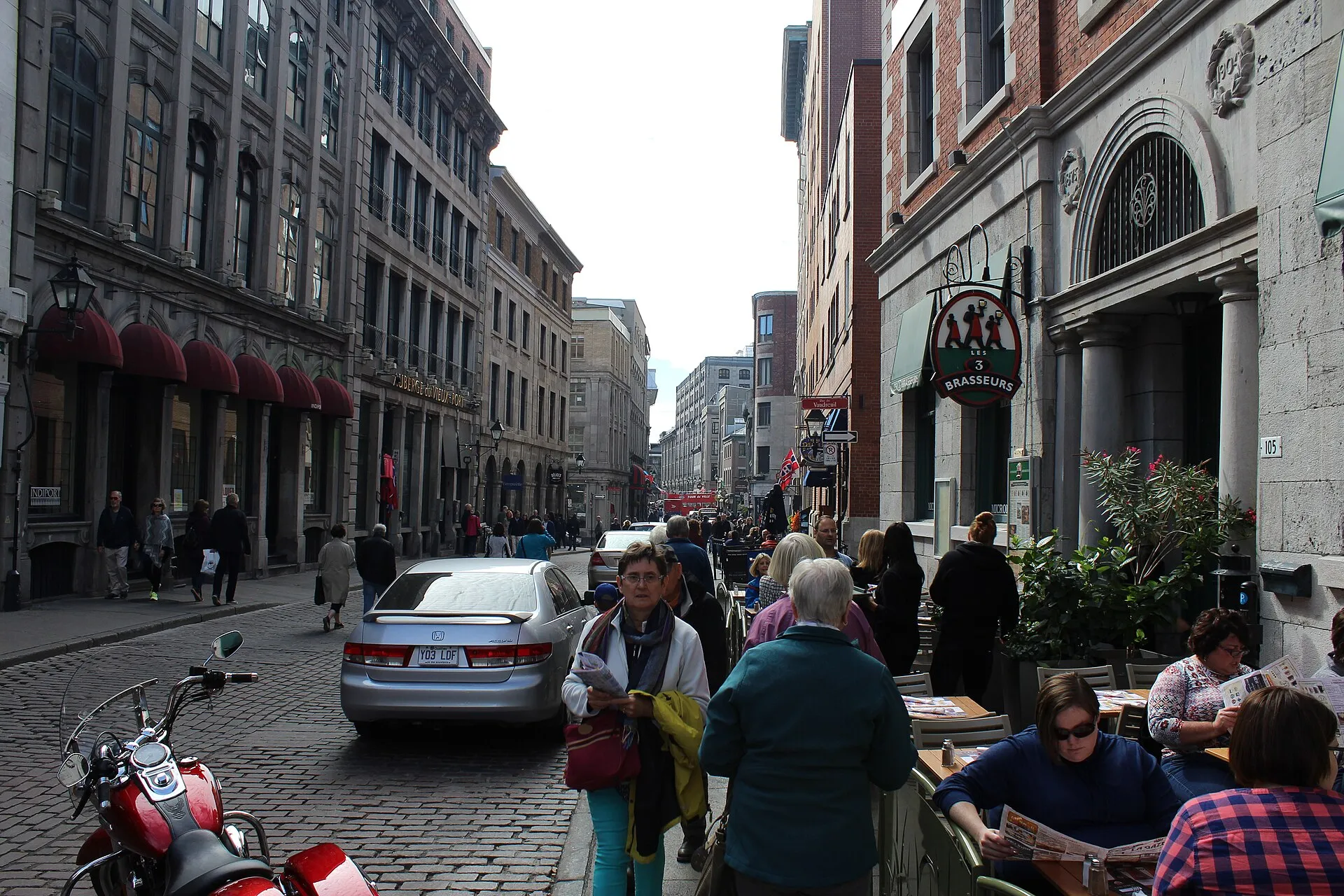
Rue Saint-Paul: Montreal's oldest thoroughfare winds past greystone buildings dating to the French regime, packed with independent galleries, vintage shops, and candlelit restaurants tucked into vaulted stone cellars. Place Jacques-Cartier: This sloping public square serves as the social heart of the district, where flower vendors, caricature artists, and accordion players create a market atmosphere that persists from spring through autumn. Bonsecours Market: Built in 1847 as the city's main public market and briefly used as Canada's parliament, the Neoclassical hall now shelters dozens of Quebecois artisans selling handmade clothing, ceramics, and maple confections. The Old Port: A reimagined waterfront stretching along former shipping wharves, featuring the Montreal Science Centre, a seasonal urban beach, paddle boats, and a 60-metre observation wheel with views across to the South Shore. Caleche rides: Horse-drawn carriages clip-clop through the narrow streets at a leisurely pace, with drivers narrating tales of fire, fur trade, and the founding families who shaped the city's first two centuries. 17th-century architecture: Structures like the Sulpician Seminary of 1685, the oldest standing building in Montreal, and the thick-walled ruins along Pointe-a-Calliere reveal the settlement's defensive origins.
Local Life
Beneath the tourist-friendly surface, Vieux-Montreal sustains a resident community and working creative class that give the neighbourhood authentic vitality. The upper floors of Rue Saint-Paul's greystone buildings house artist lofts and design studios, and the neighbourhood's morning rhythm — espresso at Tommy Cafe, fresh bread from a boulangerie on Rue Saint-Francois-Xavier, dog walkers in Place de la Grande-Paix — reveals a village-within-a-city identity that persists despite millions of annual visitors. The Pointe-a-Calliere archaeological museum attracts more local history enthusiasts than tourists, and the underground ruins beneath its foundations are where Montreal's founding story becomes physically tangible. On summer Friday evenings, the Old Port hosts free outdoor concerts and film screenings that draw young Montrealers from across the city, transforming the waterfront into an open-air living room. Serious food shoppers eventually drift north to Jean-Talon Market in Little Italy for Quebec cheeses and market produce, but Vieux-Montreal keeps its own quieter rhythm of neighbourhood boulangeries and corner cafes. In winter, the district's stone walls and gas-lit lanes create an intimacy that summer crowds overwhelm — locals reclaim the streets for candlelit dinners, holiday markets at Bonsecours, and moonlit walks along the frozen harbour edge.
When to Visit
District access: Open around the clock — Vieux-Montreal is a living neighbourhood with no gates or admission. Bonsecours Market: Daily 10 AM - 6 PM, extended to 9 PM on Fridays in summer. Best time: Late May through September when terrasse patios open and the Old Port comes alive with outdoor festivals. Quietest hours: Weekday mornings before 10 AM, when you can photograph the narrow lanes without crowds and hear church bells echo off the stone walls.
Admission and Costs
Exploring the district: Free — strolling the streets, squares, and waterfront costs nothing. Caleche rides: CA$50-100 for a horse-drawn carriage tour lasting 30-60 minutes through the cobblestone streets. Bonsecours Market: Free to enter and browse the artisan boutiques and Quebecois craft vendors inside. Food and drinks: Budget CA$30-60 per person for a sit-down meal at one of the terrasse restaurants along Place Jacques-Cartier or Rue Saint-Paul.
Tips for Visitors
Footwear matters: The cobblestones are beautiful but unforgiving — flat, sturdy shoes save you from sore ankles and slips on rain-slicked stone. Notre-Dame Basilica is steps away: The basilica sits at the western edge of the district on Place d'Armes, making it easy to combine with a Vieux-Montreal walk. Winter charm: Snow transforms the quarter into a postcard of gas-lit lanterns and frosted stone; the Christmas market at Bonsecours is one of the city's best seasonal events. Arrive by metro: Place-d'Armes and Champ-de-Mars stations bracket the district — no need to wrestle with scarce and expensive street parking. Evening mood: After dark, the cobblestone streets take on a romantic glow from wrought-iron lampposts, and many restaurants light candles in their stone-walled interiors.
Frequently Asked Questions
What season is best for wandering Old Montreal?
June through September transforms the cobblestone quarter into an outdoor festival, with waterfront terraces, street performers, and the Old Port promenade at its liveliest. October adds a stunning autumn glow to the limestone facades. Winter (December-March) brings a dramatic change — frozen streets and sub-zero temperatures, but the Christmas light installations and Montreal en Lumiere festival give Vieux-Montreal a cozy, lantern-lit charm that rewards hardy visitors.
What are the opening hours for Old Montreal and Bonsecours Market?
District access: Open around the clock — Vieux-Montreal is a living neighbourhood with no gates or admission. Bonsecours Market: Daily 10 AM - 6 PM, extended to 9 PM on Fridays in summer.
How much should visitors budget for Old Montreal?
Exploring the district: Free — strolling the streets, squares, and waterfront costs nothing. Caleche rides: CA$50-100 for a horse-drawn carriage tour lasting 30-60 minutes through the cobblestone streets.
What should visitors know before exploring Old Montreal on foot?
Footwear matters: The cobblestones are beautiful but unforgiving — flat, sturdy shoes save you from sore ankles and slips on rain-slicked stone.