

Overview
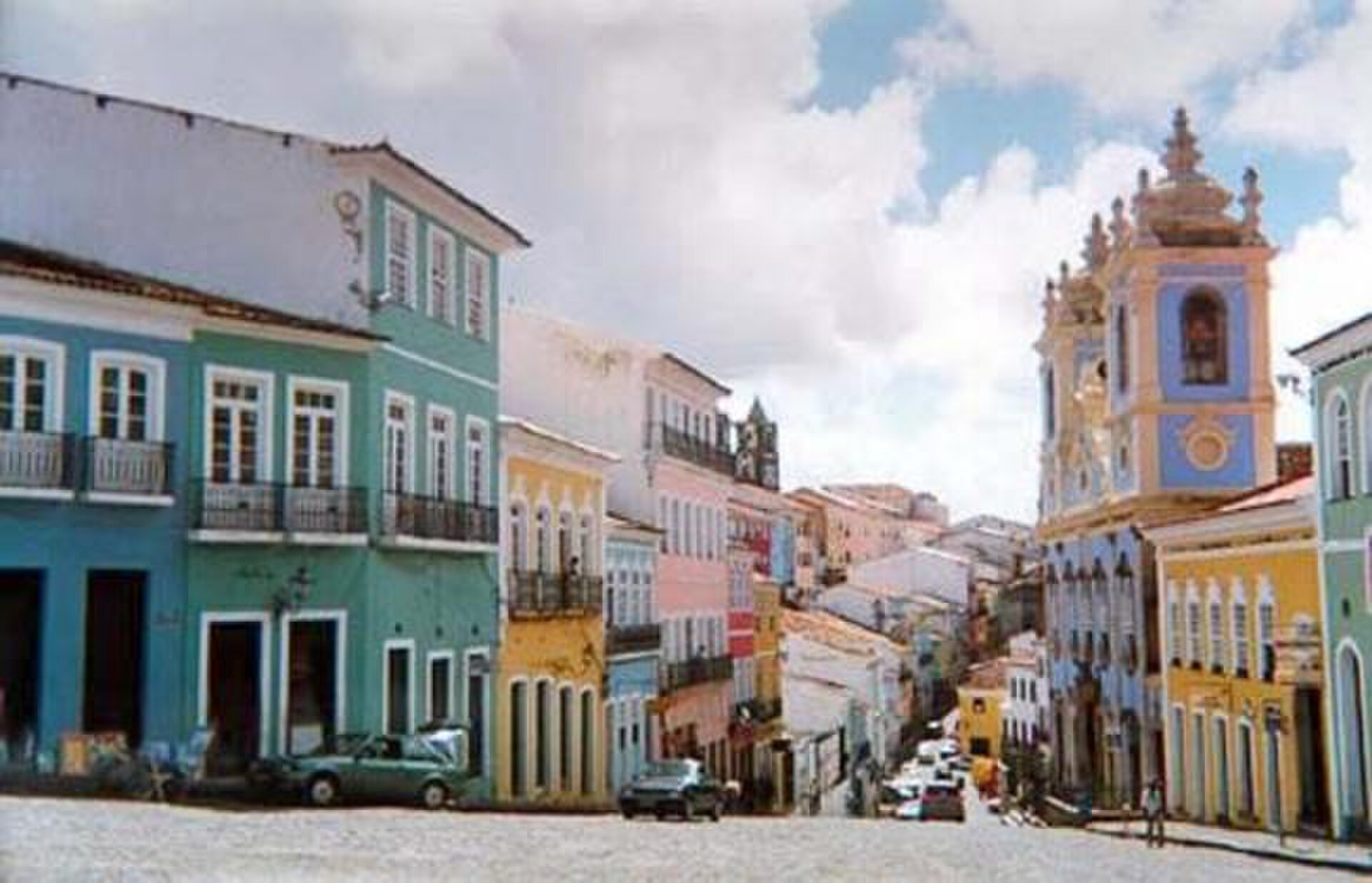
Pelourinho is Salvador's historic center, a UNESCO World Heritage Site of steep cobblestone streets lined with pastel 17th-century colonial buildings, Baroque churches laden with gold, and vibrant Afro-Brazilian cultural life. The name itself — meaning "whipping post" — references the pillory where enslaved people were publicly punished in the central square, a dark origin that the neighborhood now confronts through celebration of the resilient culture those enslaved Africans created. By night, the district comes alive with samba-reggae drum circles, capoeira demonstrations, and live performances that draw both locals and visitors into the streets. A local guide peels back centuries of history woven into every facade: they lead you into the Igreja de Sao Francisco to marvel at a ceiling covered in roughly 800 kilograms of gold leaf, then explain how enslaved artisans carved the intricate woodwork under colonial oversight. In hidden courtyards, guides introduce Candomble practitioners who maintain West African spiritual traditions that survived the Middle Passage. They decode the rhythms of Olodum drum corps rehearsals and reveal how Michael Jackson filmed parts of "They Don't Care About Us" on these very streets in 1996, bringing global attention to Afro-Brazilian culture.
Local Life
Pelourinho's cultural vitality extends far beyond tourist performances. Olodum, the samba-reggae drum corps founded in 1979 as a vehicle for Afro-Brazilian social activism, rehearses in the neighborhood and has become an internationally recognized force in Brazilian music — their rhythmic signature influenced Paul Simon, Michael Jackson, and countless Carnaval blocos. Capoeira circles form spontaneously in squares like Terreiro de Jesus and Largo do Pelourinho, where mestres (masters) lead sessions of this martial art disguised as dance, developed by enslaved Africans who needed to practice combat techniques while appearing to play. Baianas — women in elaborate white dresses, head wraps, and beaded necklaces associated with the Candomble orixa tradition — sell acaraje from enormous cast-iron pans, continuing a culinary tradition that UNESCO has recognized as Intangible Cultural Heritage. The neighborhood's restored 17th-century buildings house art galleries, atelie workshops, and community cultural centers where Afro-Brazilian traditions in music, dance, religion, and cuisine are taught and preserved for the next generation.
Walking Routes
Start at Terreiro de Jesus (the main square) with its outdoor cafes, capoeira circles, and the imposing Catedral Basilica facade. Walk south to the Igreja de Sao Francisco — pay the R$5 entry to see the staggering gold-leaf interior, one of the finest Baroque church interiors in the Americas. Continue downhill to Largo do Pelourinho, the sloping square that gives the neighborhood its name, surrounded by pastel colonial buildings that have appeared in countless photographs. From here, the Fundacao Casa de Jorge Amado museum occupies a blue colonial house at the square's corner. Winding downhill through narrow ladeiras (steep lanes) brings you past the Igreja do Rosario dos Pretos, built by enslaved Africans in the 18th century during rare hours off from forced labor. Continue to the Largo do Cruzeiro de Sao Francisco for views over the Cidade Baixa and All Saints Bay. Evening walks should include Rua do Passo and Rua Gregorio de Matos for live music venues and street food vendors.
When to Visit
Open: 24/7 (individual businesses vary). Best: Late afternoon (4-7 PM) for golden light on the pastel facades, cooler temperatures, and the beginning of evening musical performances. Tuesday nights: Terca da Bencao ("Blessing Tuesday") — a massive street party centered on the Igreja de Nosso Senhor do Bonfim tradition with live samba-reggae, drum corps, and street food vendors. Avoid: Midday (11 AM - 2 PM) when heat and humidity make the steep cobblestone streets exhausting. Saturday evenings draw local crowds for capoeira circles and live music in the Terreiro de Jesus square.
Admission and Costs
Walking the district: Free. Church entries: Free to R$10 (donations appreciated). Igreja de Sao Francisco: R$5 to see the gold-covered interior. Guided walking tour: R$100-150 per person with cultural and historical context. Capoeira show: R$40-80 for arranged demonstrations. Acaraje (traditional Bahian street food from Afro-Brazilian tradition): R$10-15 at street vendors. Private guide: R$250-400 for a half-day covering Pelourinho, Elevador Lacerda, and the Mercado Modelo.
Tips for Visitors
Safety: Stick to main streets, do not display valuables, and consider going with a guide at night — Pelourinho is generally safe during daytime and busy evenings but quieter side streets can be risky after dark. Steep hills: Wear comfortable shoes for cobblestones and slopes — high heels and smooth-soled shoes are a recipe for slipping. Photo respect: Ask permission before photographing locals, especially Baianas (women in traditional white dress) who may expect a small tip for posed photos. Try acaraje: Traditional Bahian street food — deep-fried bean fritters filled with vatapa (shrimp paste), caruru (okra stew), and hot pepper — at the street vendors around Terreiro de Jesus. Late afternoon offers the best light for photography and cooler temperatures for walking. The Jorge Amado House museum on Largo do Pelourinho celebrates Salvador's most famous novelist.