
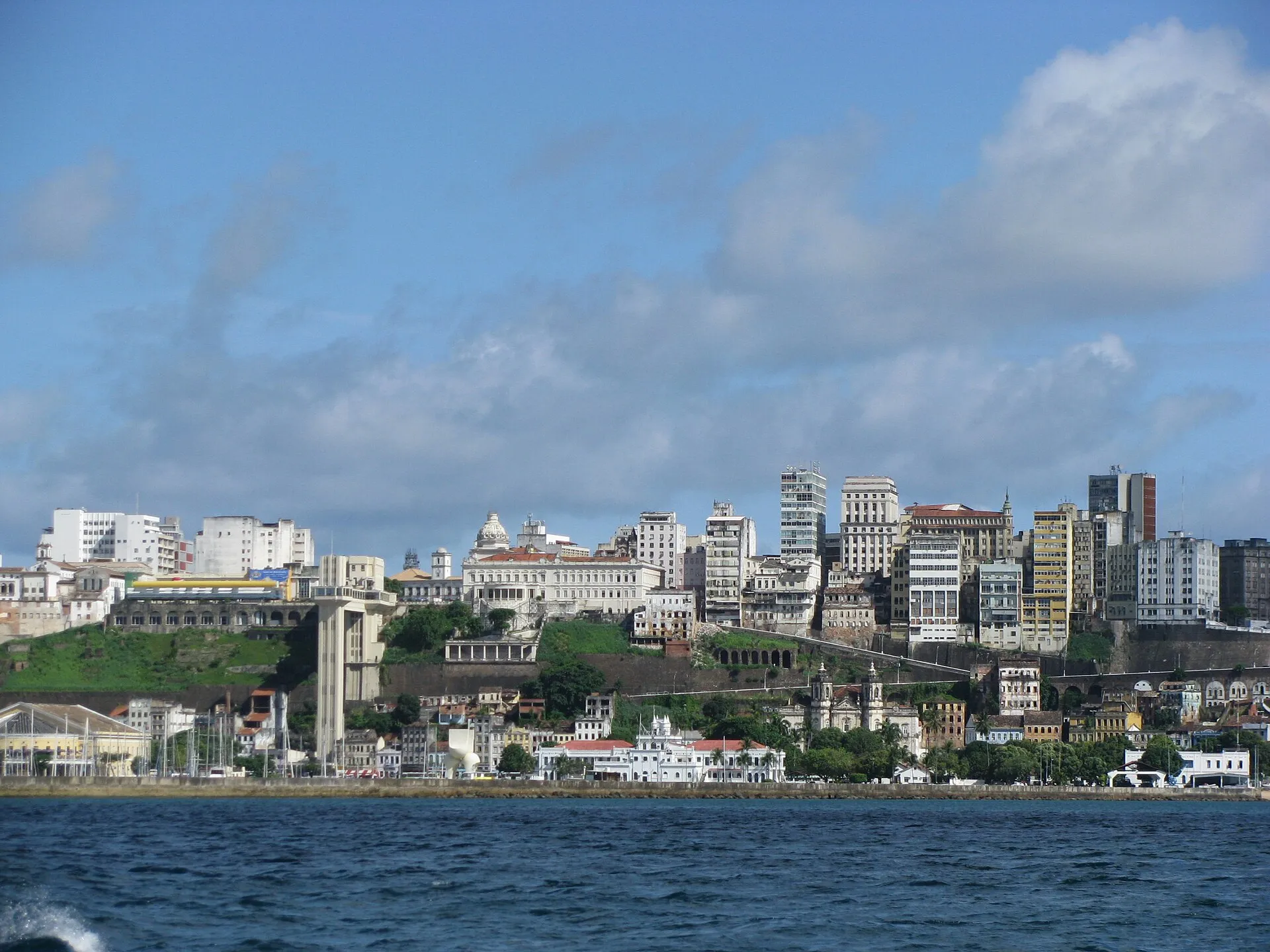
Salvador timeline
-
Founded as Brazil's first capital
Tomé de Sousa landed with Portugal's first governor-general and laid out São Salvador da Bahia de Todos os Santos on the bluff above the bay, making it the administrative capital of colonial Brazil.
-
Capital moves to Rio de Janeiro
After 214 years the Portuguese crown shifted the colonial capital south to Rio, closer to the gold of Minas Gerais, ending Salvador's run as the seat of government but leaving its churches and mansions largely intact.
-
Revolt of the Tailors
The Conjuração Baiana, an uprising of artisans, soldiers and freed people, demanded independence and the end of slavery — one of Brazil's earliest popular revolts, brutally suppressed but long remembered in Bahia.
-
Bahian independence — Dois de Julho
On 2 July 1823 Bahian forces drove the last Portuguese troops out of Salvador, sealing Brazil's independence in the province; the date is still Bahia's biggest civic holiday.
-
The trio elétrico is born
Dodô and Osmar mounted amplified instruments on a moving car, inventing the trio elétrico sound truck that turned Salvador's Carnival into the vast street party it is today.
-
Historic Centre made a World Heritage Site
UNESCO inscribed the Pelourinho and upper town for their exceptional colonial architecture and their role as a meeting point of European, African and Amerindian cultures.
Cited city facts
Key facts for visiting Salvador
First capital of Brazil from 1549 to 1763
Founded by Tomé de Sousa in 1549, Salvador was the seat of Portugal's first governor-general and the capital of colonial Brazil for 214 years, until the crown moved the government to Rio de Janeiro in 1763
Historic Centre inscribed by UNESCO in 1985
The Pelourinho and surrounding upper town were listed as a UNESCO World Heritage Site in 1985 as an exceptional ensemble of 17th- and 18th-century Renaissance and Baroque colonial architecture, and a meeting point of European, African and Amerindian cultures
About 2.4 million residents (2022 Census)
Brazil's 2022 census counted roughly 2.4 million people in the municipality of Salvador, the largest city in the Northeast; the great majority identify as Black or mixed-race, making it one of the largest Black-majority cities anywhere outside Africa
A church for nearly every day of the year
Local tradition holds that Salvador has 365 churches, one for each day, reflecting almost five centuries of Catholic and Afro-Brazilian syncretic worship; the Baroque Igreja de São Francisco alone is lined with hundreds of kilograms of gold leaf
One of the world's largest street carnivals
Salvador's Carnival draws millions over roughly six days along the Barra–Ondina and Campo Grande circuits, powered by the trio elétrico sound trucks that were invented in the city in 1950
Source: tour-guide.com — Free to cite with attribution
Things to see
What are the top attractions in Salvador?
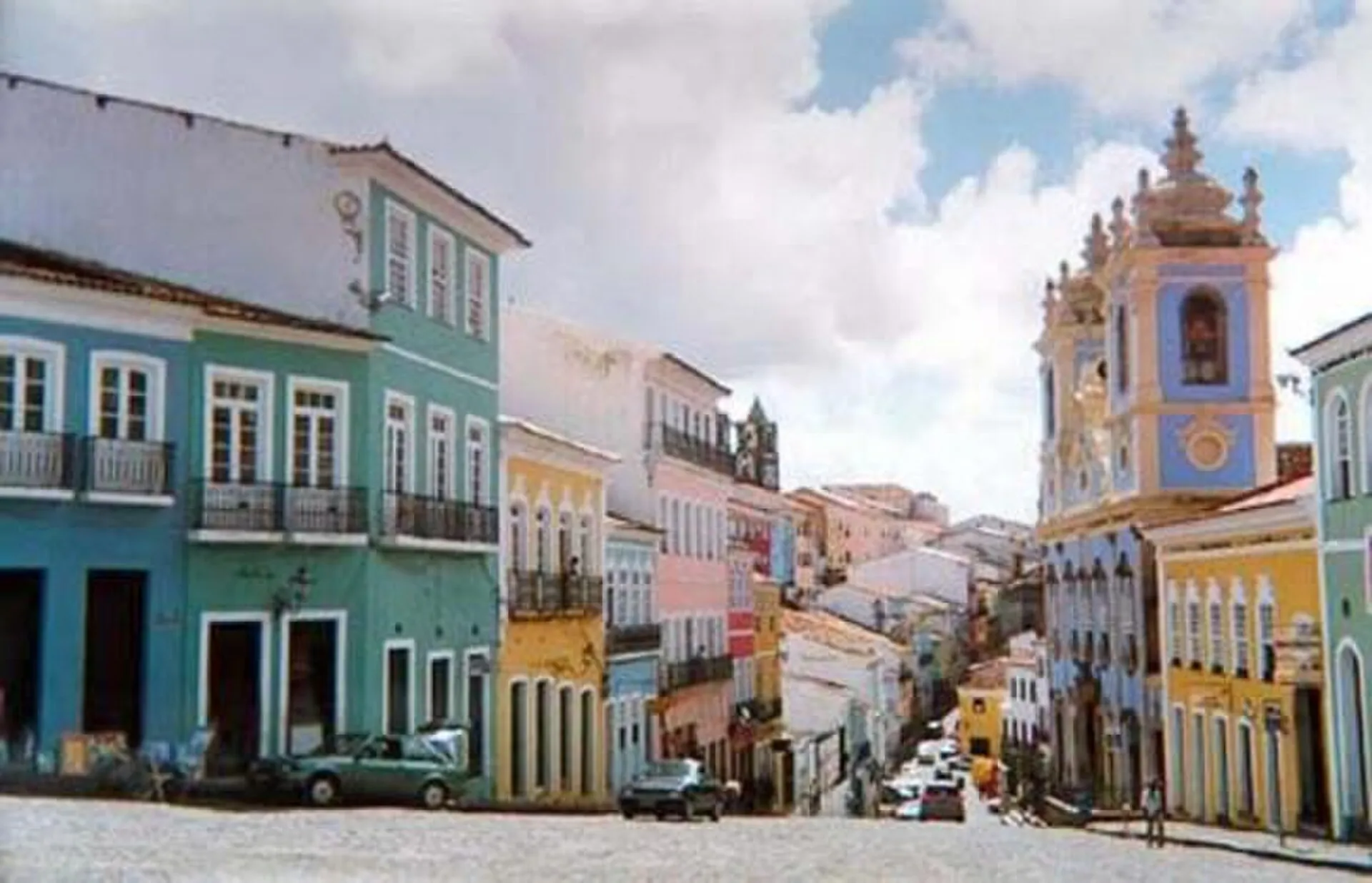
- Pelourinho at dusk — Golden light on the pastel colonial facades as live samba-reggae and capoeira circles fill the squares
- Bonfim Church — Tie a coloured fitinha wish ribbon at Salvador's most beloved shrine; the January Lavagem washing ceremony is unforgettable
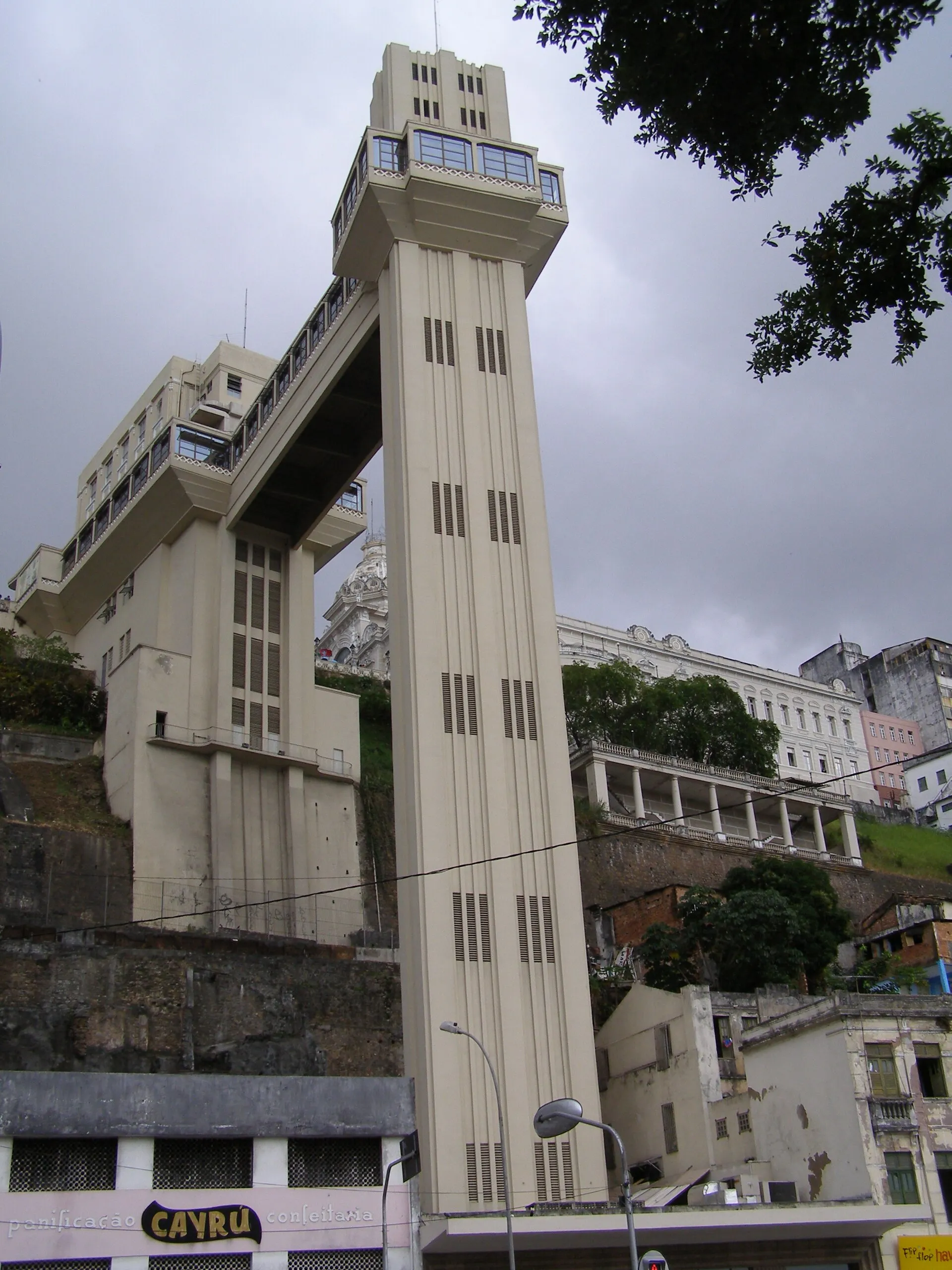
- Elevador Lacerda — Ride the Art Deco Elevador Lacerda, linking the Upper and Lower cities since 1873, for R$0.15, with sweeping views over the Bay of All Saints
- Mercado Modelo — Browse Bahian crafts, Candomblé goods and souvenirs in the 19th-century customs house at the foot of the elevator
- Capoeira and Olodum — The martial-art dance and the samba-reggae drum corps that were both shaped in these streets
- Bahian cuisine — Acarajé, moqueca, and dendê palm-oil dishes eaten at street stalls and Pelourinho restaurants
- Porto da Barra Beach — A calm, sheltered urban beach famous for its sunsets beside the Barra lighthouse
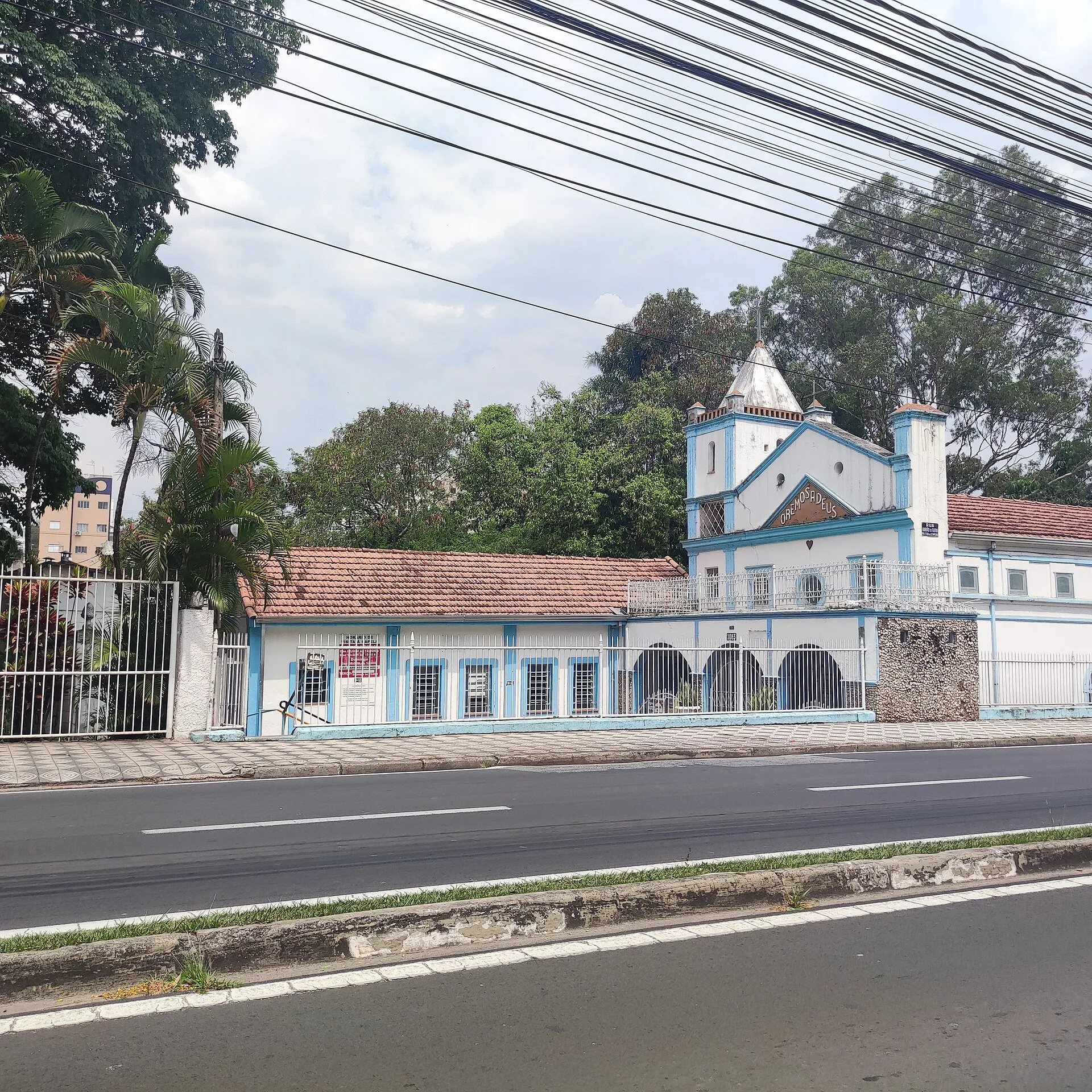
Bonfim Church
Sacred wishes and Bahian faith
Elevador Lacerda
Salvador's iconic vertical connection
Pelourinho
Salvador's colorful colonial heart
Guide planning
How much does a tour guide cost in Salvador?
| Tour Type | Price | Details |
|---|---|---|
| Pelourinho Walking | R$100-150 | $20-30 per person |
| Half-Day Private | R$500-700 | $100-140 city tour |
| Cultural Tours | R$200-350 | $40-70 capoeira/cuisine |
| Full-Day Private | R$800-1,100 | $160-220 |
Season planner
When is the best time to visit Salvador?
Salvador sits close to the equator, so temperatures hover between 25°C and 32°C throughout the year. The city has two broad seasons: a wetter period from April to August and a drier stretch from September to March. Most visitors prefer the drier months, when Bahia's beaches are at their best and outdoor cultural events fill the calendar.
- September–March (dry season) — Ideal for beach days, walking tours through Pelourinho, and open-air performances. Humidity drops enough to make long walks comfortable
- February (Carnival) — Salvador's Carnival rivals Rio's in energy but feels more authentically Bahian, with massive trio elétrico sound trucks rolling along the Barra–Ondina and Campo Grande circuits. Book guides and accommodation months ahead
- February 2 (Festa de Iemanjá) — Fishermen and candomblé devotees carry flowers and gifts to the sea goddess at Rio Vermelho, one of the city's most photogenic religious festivals
- January (Bonfim Festival) — The Festa do Bonfim includes the traditional washing of the Bonfim Church steps, one of Bahia's most striking religious celebrations
- July 2 (Dois de Julho) — Bahia's own independence day fills the centre with civic parades marking the 1823 expulsion of Portuguese troops from Salvador
- April–August (wet season) — Afternoon showers are common but usually brief. Fewer tourists mean lower prices and more personal interactions at cultural sites. Guides can adjust itineraries around rain patterns
- Year-round warmth — Pack light, breathable clothing, plenty of sunscreen, and stay hydrated. Even in the "cooler" months temperatures rarely dip below 24°C
Spring
Mar-May
Summer
Jun-Aug
Autumn
Sep-Nov
Winter
Dec-Feb
Each score averages that season’s monthly ratings out of 5. The top-rated window is usually the peak season too, so read the guidance above for its trade-offs before you book.
On the ground
How do you get around Salvador?
Salvador is divided into the Cidade Alta (Upper City) and Cidade Baixa (Lower City), connected by the iconic Elevador Lacerda — a public elevator that is itself a landmark, offering panoramic views of the Bay of All Saints for just a few cents.
- Metro — Two lines run from the airport through the Lapa bus terminal toward the north and east, useful for reaching the centre quickly and avoiding traffic
- Buses — An extensive network covers the entire metropolitan area. Fares are low but routes can be confusing without a local guide, and buses get crowded during rush hours
- Ride-share apps — 99 and Uber operate reliably and are the safest option after dark. Fares from Pelourinho to the beach at Porto da Barra run about R$15–25
- Ferries — From the Terminal Náutico beside the Lower City, boats cross the Bay of All Saints to Itaparica island and Mar Grande, a scenic day trip away from the historic centre
- Walking in Pelourinho — The historic centre is best explored on foot. Cobblestone streets are steep in places, so wear sturdy shoes. Stick to well-trafficked areas and avoid displaying valuables
- Tuesday nights — Pelourinho comes alive every Tuesday with the Terça da Bênção, free live music and street parties that spill from bar to bar through the colonial quarter
- Tipping customs — Most restaurants include a 10% service charge on the bill. For tour guides, R$20–50 per person is appreciated for a half-day tour
Frequently Asked Questions
What is the best time to visit Salvador?
Salvador is warm and humid all year, so timing is about rain and festivals rather than temperature. The drier, clearer months of September to March are best for beaches and walking tours, while April to August brings brief afternoon showers, thinner crowds and lower prices. If you want the city at full volume, come for Carnival (February) or the Festa do Bonfim (January). Pack light, breathable clothes and plenty of sunscreen whenever you visit.
Why was Salvador Brazil's first capital?
Founded by Tomé de Sousa in 1549, Salvador was chosen as the seat of Portugal's first governor-general because of its sheltered position on the Bay of All Saints and its command of the sugar-growing Recôncavo. It remained the capital of colonial Brazil for 214 years, until the crown moved the seat of government to Rio de Janeiro in 1763. That long colonial primacy is why the city has such a dense concentration of Baroque churches and grand civic buildings.
Is Salvador safe for tourists?
Salvador rewards the same street smarts as any large Brazilian city. The Pelourinho and beach districts are busy and welcoming by day and during evening events, but keep valuables out of sight, avoid quiet side streets after dark, and use 99 or Uber rather than walking unfamiliar areas at night. A local guide is genuinely useful for reading which streets and beaches are relaxed and which are not, and guides certified by the national CADASTUR registry are a reliable baseline.
How much does a tour guide cost in Salvador?
A group Pelourinho walking tour runs about R$100–150 ($20–30) per person, while a half-day private city tour costs R$500–700 ($100–140). Specialised cultural tours — capoeira, candomblé or Bahian cuisine — are around R$200–350 ($40–70), and a full-day private guide is R$800–1,100 ($160–220). For guides, R$20–50 per person is a customary tip on a half-day tour.
How do you get around Salvador?
Salvador has a two-line metro linking the airport and Lapa terminal to the centre, a wide but confusing bus network, and the iconic Elevador Lacerda connecting the Upper and Lower cities. Ride-share apps are the easiest option for visitors, and ferries from the Terminal Náutico cross the Bay of All Saints to Itaparica island.