
Major City
🇧🇪 Tour Guides in Ghent
University town where medieval splendor meets youthful rebellion and Flemish masters

What makes Ghent a top destination?
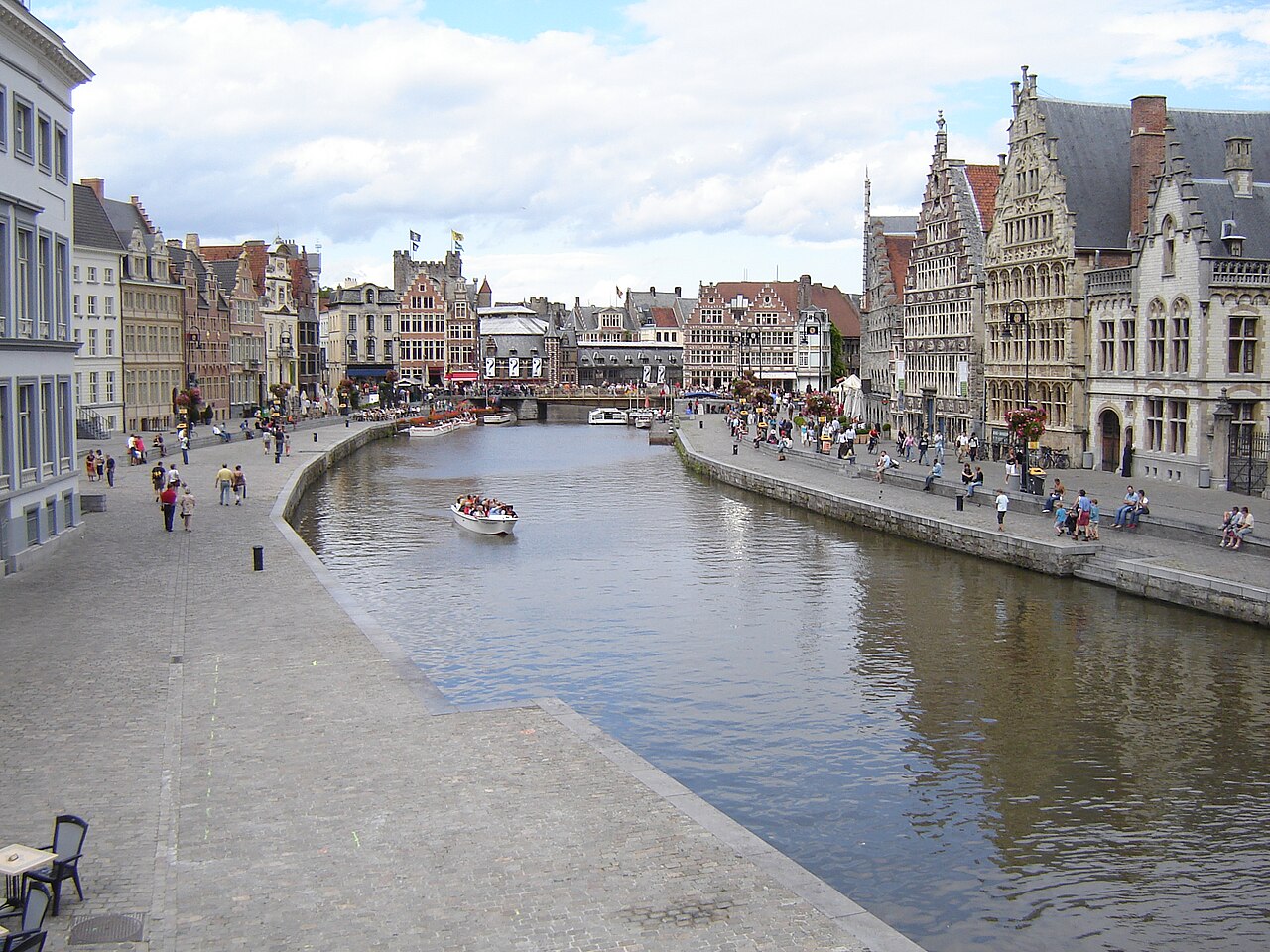
Ghent possesses one of Europe's largest intact medieval cores yet lacks Bruges' tourist crowds or Brussels' bureaucratic formality. This is partly due to timing — the city didn't preserve its heritage intentionally until late — and partly because Ghent University's 80,000 students inject vitality that keeps the city oriented toward locals rather than tour groups. The waterfront where the Graslei and Korenlei face each other across the Leie River showcases a row of guildhalls dating to the 13th century, while Gravensteen castle rises from the city center like a stern reminder of the Counts of Flanders who once ruled from here. But Ghent's crown jewel is Jan and Hubert van Eyck's Ghent Altarpiece, a 1432 polyptych housed in St. Bavo's Cathedral that art historians call "the most important painting in the history of art" — a claim that rewards serious attention. The city balances historical weight with contemporary edge: it pioneered car-free zones in the 1990s, hosts a ten-day music festival (Gentse Feesten) that transforms the entire center into a street party, and maintains a thriving vegetarian restaurant scene (Thursday is traditionally meat-free in Ghent). Medieval landmarks coexist with contemporary architecture — the City Pavilion's futuristic covered plaza sits steps from Gothic belfries. An English-speaking guide helps navigate these layers, explaining why the Altarpiece became the most stolen artwork in history (Hitler coveted it, Napoleon looted panels, a 1930s thief held it ransom), how the textile trade made Ghent wealthier than Bruges in the Middle Ages, and why the city's rebellious streak — they once locked up Emperor Charles V's envoys — persists in modern form.
What should you see in Ghent?
- Ghent Altarpiece — Book your time slot online in advance. The new installation includes augmented reality displays revealing details invisible to the naked eye. Hire a specialist guide or rent the excellent audio guide — this painting rewards deep study.
- Gravensteen Castle — One of Europe's best-preserved medieval fortresses. The torture instrument collection is extensive but historically accurate. Climb the ramparts for views over Ghent's three towers (St. Bavo's, St. Nicholas, Belfry) aligned perfectly.
- Graslei and Korenlei — The facing rows of guildhalls along the Leie River form Ghent's postcard view. Visit at golden hour when the reflected light on water is spectacular, or after dark when floodlighting emphasizes the Gothic details.
- St. Bavo's Cathedral — Beyond the Altarpiece, explore the Rubens conversion painting, the Baroque high altar, and the medieval crypts. The cathedral combines Romanesque foundations with Gothic elaboration.
- Patershol Neighborhood — Medieval quarter of narrow lanes filled with restaurants occupying 14th-century buildings. Less touristy than the center — where locals eat.
- Design Museum Ghent — Traces applied arts from Renaissance to contemporary in a renovated 18th-century mansion with modernist extension. Shows how Ghent balanced tradition with innovation.
⛪ Ghent Altarpiece
Van Eyck's revolutionary 1432 polyptych — the most stolen artwork in history, now restored to full glory
🏰 Gravensteen
Castle of the Counts — an imposing 10th-century fortress rising from medieval Ghent's heart with authentic dungeons,
⛪ St. Bavo's Cathedral
Ghent's Gothic masterwork sheltering the van Eyck altarpiece and Rubens canvases since 942
What does a tour guide cost in Ghent?
| Tour Type | Price | Details |
|---|---|---|
| Walking Tours | €0-15 | Free tours (tip-based) or paid group tours |
| Altarpiece Expert Tours | €60-90 | Art historians providing detailed Van Eyck analysis |
| Boat Tours | €10-14 | 40-minute guided tours along medieval waterways |
| Private Half-Day Tours | €140-220 | 3-4 hours covering major sites and hidden gems |
| Medieval History Tours | €50-80 | Focusing on textile trade, guildhalls, and castle history |
| Full-Day Private Tours | €280-400 | 7-8 hours exploring Ghent's neighborhoods and museums |
When should you visit Ghent?
- Book at least a few days ahead in peak season
- Festival Period — Gentse Feesten (mid-July, 10 days) transforms the city into Europe's largest open-air festival
- Weather — Typical Belgian weather — rain possible year-round. Summer averages 20°C (68°F), winter around 5°C (41°F)
What is the best way to get around Ghent?
- Altarpiece Tickets — Time-slot entry is mandatory to avoid crowds. Entry costs €6 (altarpiece only) or €12.50 (includes full cathedral)
- Language — Dutch (Flemish) is the local language. English proficiency is widespread, especially among younger residents and those in tourism. French is less common than in Brussels
- Student Atmosphere — The university population means lively bars, affordable eateries, and cultural events oriented toward locals. Explore the Overpoort bar street on weekends for student nightlife energy
- Transport — Central Ghent is pedestrian-friendly and compact. Trams reach outlying neighborhoods. Bicycles are ubiquitous — rent one to explore beyond the historic core
- Thursday Veggie Day — Ghent officially promotes meat-free Thursdays. Many restaurants offer special vegetarian menus — a tradition rooted in both environmental and historical concerns
- Museum Pass — The Ghent City Card includes museum entry, public transport, and canal boat tour. Worthwhile if visiting multiple sites over 48-72 hours
- Book accommodations far in advance — Or avoid if preferring quieter exploration. Carry waterproofs. Inland location makes it slightly less windy than coastal Bruges
Frequently Asked Questions
What is the best time to visit Ghent?
Book at least a few days ahead in peak season. Festival Period: Gentse Feesten (mid-July, 10 days) transforms the city into Europe's largest open-air festival.
How much does a tour guide cost in Ghent?
Walking Tours: €0-15 (Free tours (tip-based) or paid group tours). Altarpiece Expert Tours: €60-90 (Art historians providing detailed Van Eyck analysis).
How do you get around Ghent?
Ghent's historic centre is largely car-free and very walkable. Trams connect the centre to outer neighbourhoods, and cycling is popular with rental bikes widely available.