
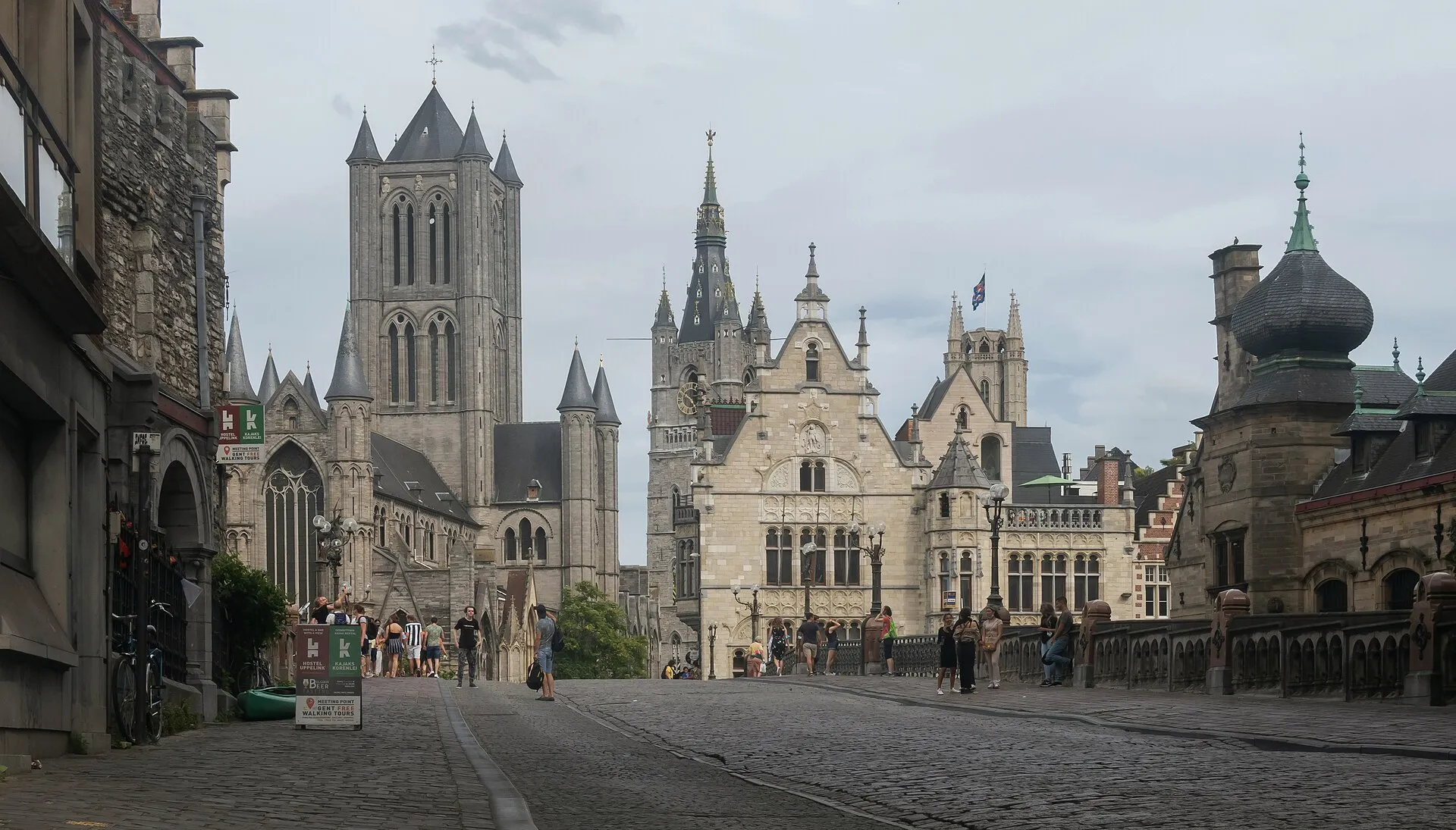
Visitor Etiquette
Sint-Baafskathedraal functions as an active cathedral with daily masses, confessions, weddings, and funerals — visitor behavior must respect these religious functions. Dress modestly (covered shoulders and knees), silence mobile phones, and speak in whispers throughout. During Sunday high mass (11:00 AM), tourist access is restricted to the rear nave — sit respectfully if you attend, do not photograph during services, and remain until the service concludes if you choose to stay. Photography is generally permitted outside service times (no flash), but the Ghent Altarpiece chapel prohibits photography entirely. The crypts require quiet reverence — these are burial chambers containing the remains of bishops and prominent citizens. Do not touch carved sarcophagi, stone effigies, or architectural surfaces.
Spiritual Significance
St. Bavo's Cathedral embodies Ghent's turbulent religious history: the 1540 forced transfer of the patron saint's name from the demolished abbey — destroyed by Emperor Charles V as collective punishment for Ghent's rebellions — made this former parish church the city's cathedral, merging civic humiliation with ecclesiastical elevation. The Ghent Altarpiece (Het Lam Gods) represents the theological centerpiece: Jan van Eyck's 1432 visualization of the Apocalypse's vision of redemption. Rubens' 1624 "Conversion of St. Bavo" depicts the patron saint's transformation from dissolute Frankish nobleman to penitent monk — a Counter-Reformation narrative of spiritual conversion deployed in a city where Catholic and Protestant factions competed throughout the 16th-17th centuries. The Rococo pulpit by Laurent Delvaux (1745) represents Baroque Catholicism's deployment of sensory beauty as devotional argument. The cathedral crypts preserve ten centuries of continuous Christian worship on this site, from Romanesque foundations through Gothic expansion to Baroque renovation.
When to Visit
Cathedral hours: Monday-Saturday 8:30 AM - 6:00 PM, Sunday 1:00 PM - 6:00 PM — free access to nave and main chapels. Altarpiece hours: Monday-Saturday 9:30 AM - 5:00 PM, Sunday 1:00 PM - 5:00 PM — separate €6 admission, see dedicated Ghent Altarpiece page. Sunday morning closure: No tourist access before 1:00 PM Sundays due to morning masses — plan around this restriction. Best: Weekday mid-mornings (10:00-11:30 AM) for quietest viewing before lunchtime tour groups arrive. Avoid: Saturday afternoons when locals attend confession and weddings alongside tourist crowds. Mass attendance: Sunday 11:00 AM high mass for experiencing the cathedral in active liturgical use. Natural light: Morning visits provide best illumination through eastern choir windows; afternoon light enters via western rose window.
Admission and Costs
Basic cathedral: Free — nave, side aisles, Rubens and van Dyck paintings, Baroque high altar accessible without charge. Altarpiece only: €6 — climate-controlled chapel with the van Eyck panels and augmented reality tablets. Full cathedral access: €12.50 — includes altarpiece, crypts, all chapels, and tower (when open). Youth discount (under 26): €10 for full access. Combined ticket: €20 for St. Bavo's Cathedral + Gravensteen castle — modest savings versus separate admission. Guided tour: €15-20 added to admission for 60-minute expert-led tour (check website for schedule). Private guide: €200-280 for 2-hour tour covering cathedral, altarpiece, and Ghent's religious art context.
Tips for Visitors
Admission confusion: Basic cathedral is FREE. The van Eyck altarpiece costs €6 extra. Full access (altarpiece + crypts) costs €12.50. Decide what you want before paying. Altarpiece priority: If you only have time for one thing, prioritize the Ghent Altarpiece — it's the internationally significant masterwork. The rest of the cathedral, while beautiful, is secondary. Free art viewing: The Rubens and van Dyck paintings in the main cathedral are FREE to view. Don't skip these because you're rushing to the paid altarpiece. Crypt value assessment: The crypts add €6.50 to your ticket cost (€12.50 full vs €6 altarpiece-only). Worth it for history enthusiasts, skippable for casual visitors focused on art. Sunday morning closure: No tourist access before 1:00 PM Sundays. Don't waste morning hours arriving to locked doors — plan for afternoon visits on weekends. Combined tickets: The €20 St. Bavo's + Gravensteen package saves a few euros if visiting both attractions. Natural lighting: The cathedral's brightness helps photography but creates glare on glass-covered artworks. Angle yourself to minimize reflections. Baroque high altar: View from multiple positions — the composition reveals different perspectives and sculptural details as you move through the choir. Mass attendance: Sunday 11:00 AM high mass restricts tourist wandering but offers authentic experience of liturgical space activated for designed purpose. Respectful visitors welcome. Guided context: The cathedral makes more sense with expert explanation of Ghent's history, Flemish religious art traditions, and architectural evolution. Self-guided visits miss crucial context. Photography rules: Photos generally permitted in empty cathedral but prohibited during masses. Flash always forbidden to protect artworks. Time budget: Quick visit (30 minutes nave walkthrough) versus full exploration (2-3 hours with crypts and altarpiece) — plan according to your interest level and schedule.
Frequently Asked Questions
When is the best time of year to visit St. Bavo's Cathedral?
The cathedral itself is rewarding year-round since the major artworks — Rubens, van Dyck, and the separately ticketed Ghent Altarpiece — are all indoors. April through September offers the strongest natural light through the luminous clerestory windows that set the white-painted vaults aglow, and summer crowds at the altarpiece chapel (25-person capacity) are heaviest in July-August, making spring and early autumn the best balance of light and elbow room.
What time does St. Bavo's Cathedral open to sightseers?
Cathedral hours: Monday-Saturday 8:30 AM - 6:00 PM, Sunday 1:00 PM - 6:00 PM — free access to nave and main chapels.
How much does it cost to visit St. Bavo's Cathedral?
Basic cathedral: Free — nave, side aisles, Rubens and van Dyck paintings, baroque high altar accessible without charge. Altarpiece only: €6 — climate-controlled chapel with the van Eyck panels and augmented reality tablets.
What surprises visitors about St. Bavo's Cathedral?
If you only have time for one thing, prioritize the Ghent Altarpiece — it's the internationally significant masterwork. The Rubens and van Dyck paintings in the main cathedral are free to view, so don't skip these while rushing to the paid altarpiece.
How do you get to St. Bavo's Cathedral?
The cathedral rises over Sint-Baafsplein in the heart of central Ghent, barely three minutes on foot from the Korenmarkt and the Belfry, so once you are in the old town you simply walk to it — no fare or transport needed. Arriving straight from Gent-Sint-Pieters station, the quickest route in is tram 1 to the Korenmarkt, about fifteen minutes away; our guide to getting around Ghent sets out the tram lines and how to pay for a Ghent tram by contactless card or the De Lijn app.