

Overview
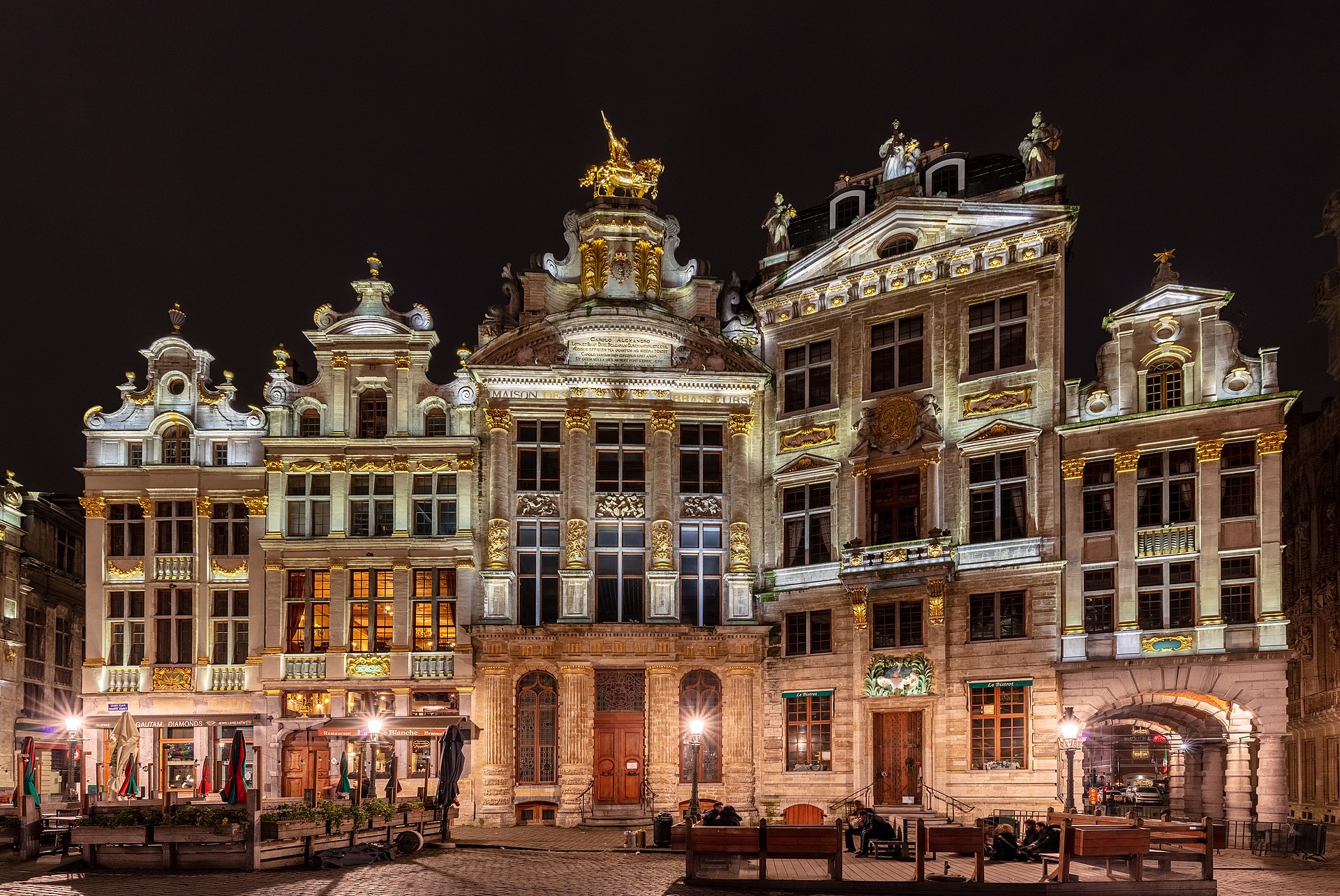
The Grand Place (Grote Markt in Dutch) forms the beating heart of Brussels, a cobblestone square enclosed by some of Europe's most ornate architecture. The guildhalls lining three sides date primarily to the 1690s — rebuilt with competitive extravagance after French artillery bombardment reduced much of the medieval square to rubble in 1695. Each guild commissioned architects to outdo their neighbors: the bakers' guild installed a gilded dome topped with Fame herself, the boatmen added a stern crowned with a golden ship, and the archers mounted St. Sebastian atop their gable. The fourth side is dominated by Brussels' Gothic town hall, its 96-meter tower topped with the archangel Michael slaying a dragon, built between 1401 and 1455 and deliberately asymmetrical (the tower sits off-center, a fact that irritates perfectionist visitors but was intentional for practical access reasons). Victor Hugo called it "the most beautiful square in the world" during his 1830s exile in Belgium, and UNESCO agreed, granting World Heritage status in 1998. The Grand Place functions as Brussels' ceremonial stage: in August of even years, the Tapis de Fleurs (Flower Carpet) transforms the cobblestones into a vast tapestry of 700,000 begonias forming intricate patterns visible from surrounding balconies. The Kerstmarkt fills the square with wooden chalets selling hot wine and Belgian chocolates. At dawn, before the tour groups arrive, the empty square reveals its proportions most clearly — the guildhalls' gilded facades reflecting early light create a moment of stillness that evaporates by mid-morning. A guide who knows the architecture decodes the symbolism embedded in every gable: allegories of the five senses, virtues defeating vices, and the patron saints who protected each medieval trade.
Architecture
Town Hall (Hotel de Ville): The Gothic masterpiece with its asymmetric 96-meter tower dominated the square before the guildhall rebuilding. Interior tours reveal 15th-century Gothic halls and Brussels tapestries depicting local history. Maison du Roi / Broodhuis: Despite its name ("King's House"), no king ever lived here. Now houses the Brussels City Museum with paintings, tapestries, and Manneken Pis costume collection. Guildhalls: Each building tells a story — No. 7 ("Le Renard") for the haberdashers shows a fox over the door, No. 10 ("L'Arbre d'Or") for the brewers displays hops and barley motifs, No. 4 ("Le Sac") has a hilarious bas-relief of putti tormenting a prisoner. Evening floodlighting: After dark, sophisticated lighting brings out the gilding and sculptural details invisible in daylight. The square takes on a theatrical quality. Surrounding streets: Don't just photograph the square and leave — the Ilot Sacre lanes radiating from Grand Place contain medieval passages, Art Nouveau shopfronts, and the city's best chocolate shops.
Historical Significance
The Grand Place's current appearance dates almost entirely to the 1695-1700 rebuilding after French Marshal de Villeroy's artillery bombardment destroyed over 4,000 buildings in central Brussels during the Nine Years' War. The guilds responded with an unprecedented collective act of civic defiance: rather than rebuild modestly, each trade guild commissioned the most extravagant Baroque facade its treasury could fund, transforming wartime destruction into competitive architectural display. The 1998 UNESCO World Heritage inscription recognized this collective reconstruction as "a remarkable example of the eclectic and highly successful blending of architectural and artistic styles" — evidence that cultural resilience can transform catastrophe into beauty. The Town Hall alone survived the bombardment largely intact, its 1401-1455 Gothic construction predating the guildhalls by two centuries and anchoring the square's symbolic continuity. The Tapis de Fleurs tradition, begun in 1971, represents a modern iteration of the civic spectacle that has animated this space for 600 years.
When to Visit
Access: The square is public and always open. Best: Dawn (6-7 AM) for empty square photography; dusk (8-9 PM in summer) for floodlighting. Town Hall tours: Limited guided tours available, typically Wednesday and Sunday afternoons — book ahead through Brussels Tourist Office. Tapis de Fleurs: Mid-August, even years only (2024, 2026, etc.) — four days every other year. Avoid: Midday in July-August when cruise tour groups peak.
Admission and Costs
Square access: Free — it's a public space. Town Hall interior tour: €10 adults, €7 students/seniors — includes Gothic halls and tapestries. Walking tour including Grand Place: €15-25 for group tours, €150-200 for private 2-hour tours. Cafe terraces: Coffee €4-6, beer €5-8 — you're paying for the view. Tapis de Fleurs viewing platform: €6 for balcony access during the event.
Tips for Visitors
Photography timing: Arrive before 8 AM for empty-square shots. The morning light from the east illuminates the western guildhalls beautifully. Skip the tourist trap restaurants: The terraces ringing the square charge extortionate prices for mediocre food. Walk two blocks in any direction for better value and quality. Town Hall tours: Book ahead — tours are infrequent and limited to small groups. The interior Gothic halls and ceremonial rooms are worth the effort. Chocolate shops: Godiva headquarters is steps away on Grand Place itself, but serious chocolate lovers prefer Planete Chocolat, Pierre Marcolini, or Mary nearby. Combine with Manneken Pis: The famous statue is a 3-minute walk away — see both in one circuit. Tapis de Fleurs: If visiting during Flower Carpet years, book the Hotel de Ville balcony viewing or arrive very early on opening day. The carpet lasts only four days. Museum access: The Brussels City Museum (Maison du Roi) provides historical context — see paintings of the square before the 1695 bombardment to appreciate the rebuilding effort. Sound and Light Show: During summer months, free nightly projections map historical scenes onto the guildhalls.