
Major City
🇧🇪 Tour Guides in Antwerp
Diamond capital meets baroque art and avant-garde fashion on the Scheldt River
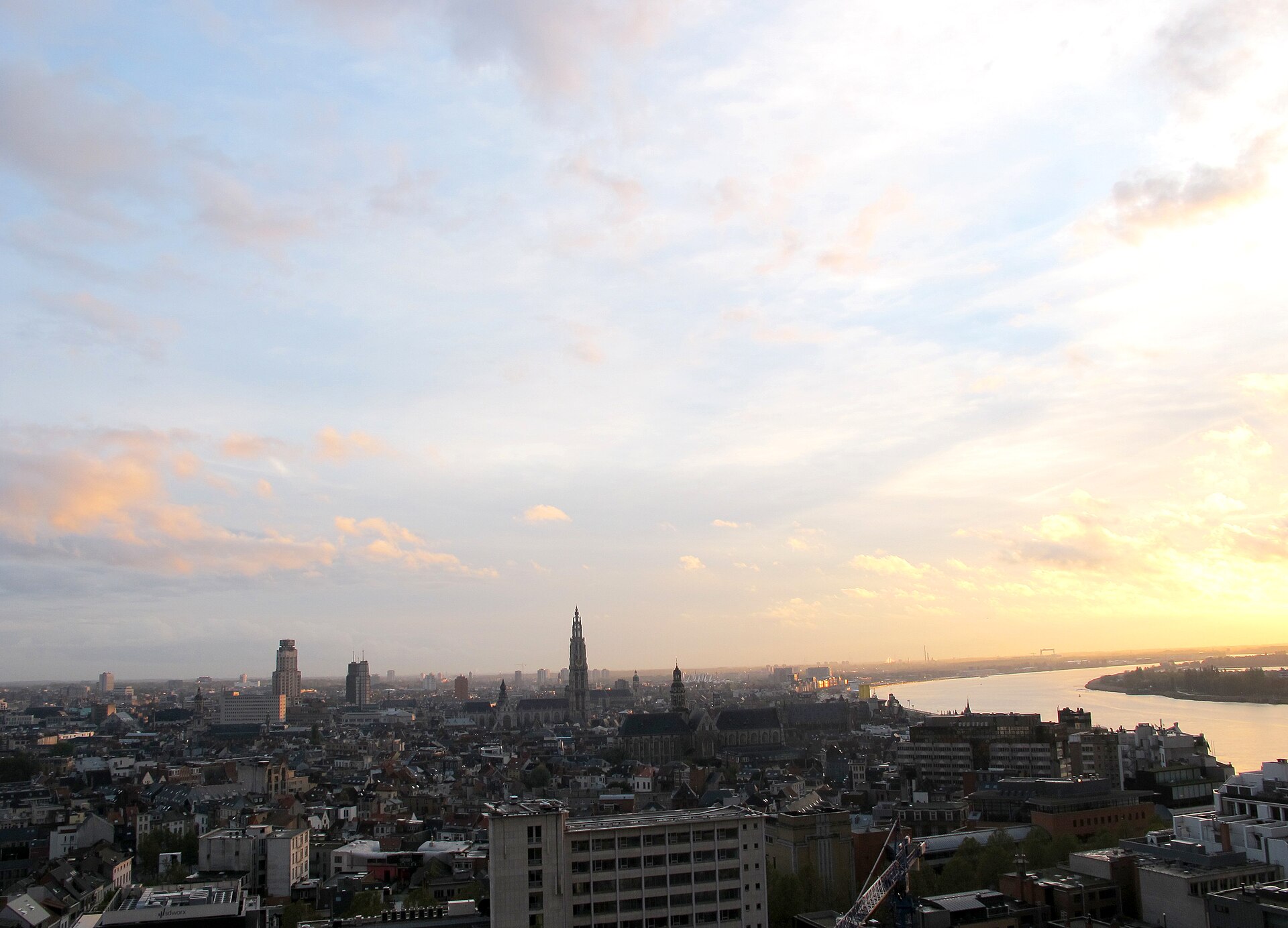

What makes Antwerp a top destination?
Antwerp thrives on contrasts: it's Europe's second-largest port yet maintains an intimate medieval core where the Cathedral of Our Lady soars above narrow lanes. It's the global diamond trade center — 84% of the world's rough diamonds pass through the diamond district — while simultaneously nurturing fashion rebels like the Antwerp Six who revolutionized 1980s haute couture. Peter Paul Rubens spent most of his life here, and his baroque masterpieces fill the cathedral and his preserved home-studio, the Rubenshuis. Around 5 million visitors arrive annually, fewer than Brussels or Bruges, which means Antwerp retains a working-city authenticity where locals outnumber tourists and the cultural scene operates for residents first. The city pulses with creative energy: the Royal Academy of Fine Arts produces fashion designers who define decades, the MAS (Museum aan de Stroom) reframes maritime history through contemporary lenses, and architect Zaha Hadid's Port House seems to levitate above a renovated fire station. Antwerp speaks Dutch (Flemish), and while English proficiency is high, the city feels distinctly less touristy than other Belgian destinations. An English-speaking guide unlocks layers casual visitors miss: they explain why Rubens painted with such theatrical intensity, how the diamond industry maintains its Hasidic Jewish roots while embracing Indian dealers, why the Grote Markt's guildhalls feature gilded hands (the city's founding legend involves a severed giant's hand), and how Antwerp balances its port-driven wealth with cutting-edge culture.
What should you see in Antwerp?
- Cathedral of Our Lady — Belgium's largest Gothic church took 169 years to build. The four Rubens altarpieces alone justify the entry fee, especially "The Descent from the Cross" — study how he controls the viewer's eye through light and color.
- Rubenshuis — Walk through the artist's actual studio where he painted, taught students, and entertained nobility. The baroque garden pavilion and portico showcase his architectural ambitions beyond canvas.
- Grote Markt & Brabo Fountain — The Renaissance town hall and gilded guildhalls create Antwerp's photogenic center. The fountain depicts Silvius Brabo throwing a giant's severed hand into the river — the city's founding legend.
- Diamond District — More than jewelry shops — this is a functioning trade center. Visit the DIVA museum for context, then watch cutters work in the Pelikaanstraat workshops if you book ahead.
- Fashion District — The Nationalestraat and surrounding lanes house concept stores, vintage shops, and boutiques from Royal Academy graduates. Explore MoMu (Fashion Museum) to understand Antwerp's influence on global fashion.
- MAS Museum — The building's stacked design is as notable as the collections. Each floor explores different themes — port history, luxury goods, folklore. The rooftop terrace offers 360-degree city views for free.
⛪ Cathedral of Our Lady
Belgium's tallest spire and four monumental Rubens paintings beneath Gothic vaults in Antwerp
🏘️ Diamond District
Four city blocks where 84% of the world's rough diamonds change hands among centuries-old trading houses
🖼️ MAS Museum
Ten stories of Antwerp's global story rising from reclaimed docklands with a free rooftop panorama
🖼️ Rubens House
Rubens' restored palazzo and studio — where Baroque's greatest master lived, painted, and entertained
What does a tour guide cost in Antwerp?
| Tour Type | Price | Details |
|---|---|---|
| Walking Tours | €0-15 | Free tours (tip-based) or paid group tours |
| Rubens & Baroque Art Tours | €50-80 | Art historian guides focusing on cathedral and Rubenshuis |
| Diamond District Tours | €40-70 | Workshop visits and diamond grading demonstrations included |
| Private Half-Day Tours | €150-240 | 3-4 hours covering major sites with customizable focus |
| Fashion & Design Tours | €60-100 | Exploring fashion district, boutiques, and design studios |
| Full-Day Private Tours | €300-450 | 7-8 hours including port area, museums, and neighborhoods |
When should you visit Antwerp?
- Weather — Maritime climate means frequent rain. Summer averages 20°C (68°F), winter around 4°C (39°F)
What is the best way to get around Antwerp?
- Language — Dutch (Flemish) is the local language. Most residents speak excellent English, especially in shops and restaurants. French is less commonly spoken here than in Brussels
- Getting Around — Central Antwerp is walkable. Trams are efficient for reaching the MAS, fashion district, or Zurenborg Art Nouveau neighborhood. Day passes cost €7
- Sunday Closures — Many shops close Sundays, including some diamond dealers. Museums and restaurants remain open. Plan shopping for weekdays or Saturdays
- Central Station — Often called the world's most beautiful railway station. The eclectic architecture mixing styles is worth a visit even if not catching a train. The cathedral-like waiting hall is spectacular
- Beer Selection — Antwerp excels at beer bars. Visit Kulminator (700+ options including rare vintages) or Paters Vaetje (traditional brown café atmosphere). Don't order mass-market lagers when abbey ales and Trappists are available
- Restaurant Scene — Antwerp has a thriving culinary scene from Michelin-starred fine dining to innovative bistros. Book ahead for popular spots, especially on weekends
- Diamond Purchases — Only buy from dealers certified by the Antwerp World Diamond Centre. Reputable dealers provide GIA or HRD certificates. Avoid pressure sales in tourist shops
- Carry a compact umbrella
Frequently Asked Questions
What is the best time to visit Antwerp?
Weather: Maritime climate means frequent rain. Summer averages 20°C (68°F), winter around 4°C (39°F).
How much does a tour guide cost in Antwerp?
Walking Tours: €0-15 (Free tours (tip-based) or paid group tours). Rubens & Baroque Art Tours: €50-80 (Art historian guides focusing on cathedral and Rubenshuis).
How do you get around Antwerp?
Antwerp has an efficient tram and bus network run by De Lijn, and the compact centre is very walkable. The city also has excellent cycling infrastructure with dedicated bike lanes throughout.