
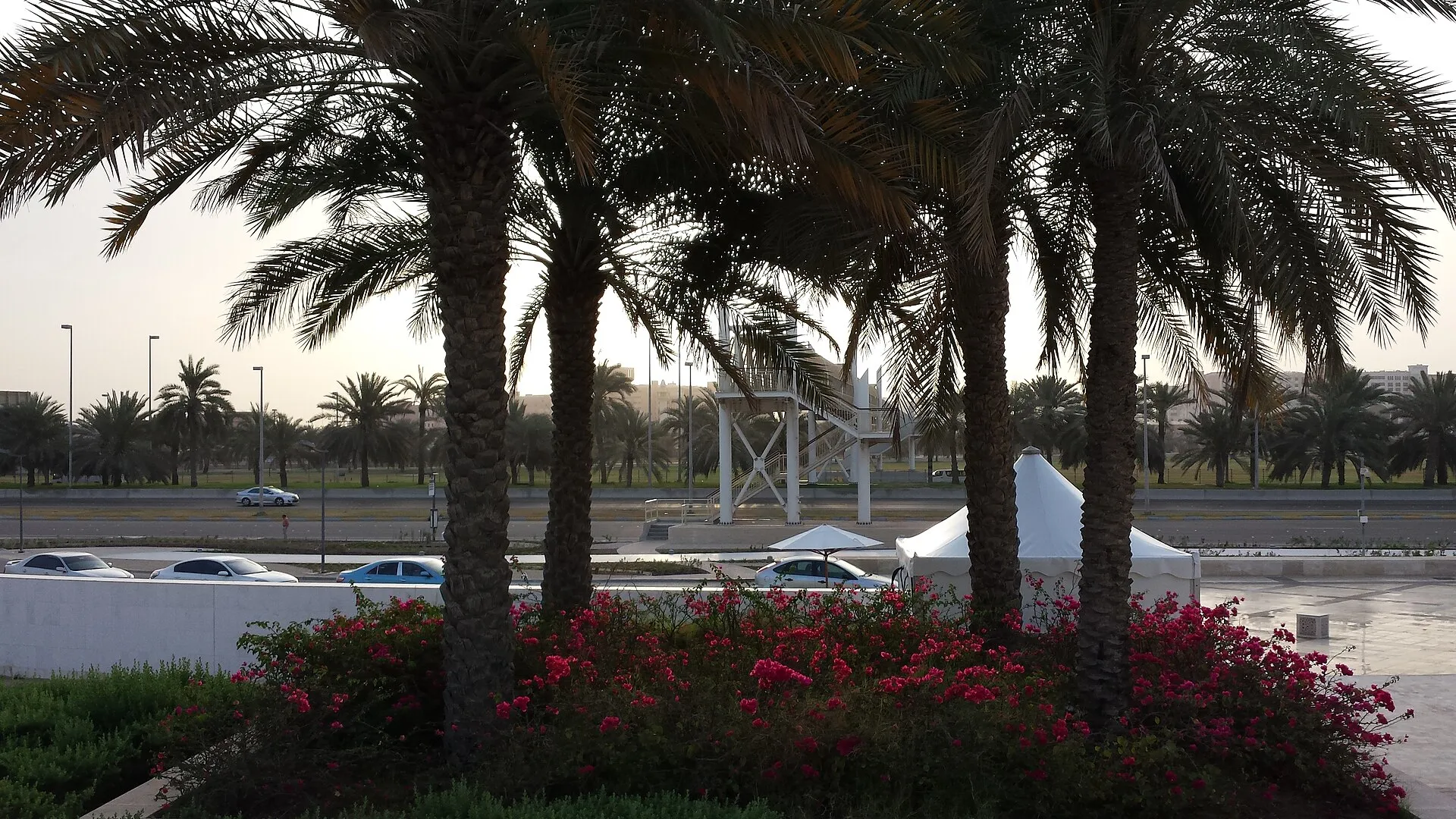
Visitor Etiquette
The mosque enforces strict but welcoming etiquette for all visitors. Women must wear long, loose-fitting clothing covering arms and legs, plus a headscarf -- free abayas and scarves are available at the entrance for those who need them. Men must wear long trousers and shirts that cover the shoulders.
Shoes must be removed before entering any prayer hall. Speak in quiet, respectful tones inside the mosque, and silence mobile phones. During active prayer times, non-Muslim visitors should step aside and observe quietly. Photography is welcome throughout the grounds and interiors, but avoid photographing worshippers without permission and never use flash near calligraphy or gilded surfaces.
Spiritual Significance
Sheikh Zayed bin Sultan Al Nahyan announced his vision for the mosque in 1996, but he died in 2004 before its completion and was buried in the courtyard — transforming the building from a monument to a faith into a memorial to the man who embodied that faith in the UAE's founding generation. His burial within the mosque he commissioned, rather than in a separate royal tomb, is a deliberate spiritual statement: that his life and his faith were inseparable, and that the mosque's ongoing worship constitutes the most fitting tribute to his memory. Sheikh Zayed conceived the building explicitly as a place where "Islamic art, architecture, and faith could be shared with the world" — which is why it welcomes non-Muslim visitors when most mosques in the Gulf do not. This openness is not a concession but a theological position: the Islamic tradition of dawa (invitation to faith) holds that Islam should be made intelligible and appealing to those who do not yet know it, and the mosque's free guided tours are a form of religious hospitality serving that purpose. The 82 domes of varying sizes, the 1,000 columns, and the 24-karat gold accents are not ostentation but an expression of the Islamic principle that God deserves the finest human craftsmanship — that beauty in a mosque is not indulgence but devotion. The lunar-phase lighting system, which changes color according to the Islamic calendar, connects every visitor's experience to the same sacred time-keeping that orients Muslim worship globally, so that a tourist photographing the facade at dusk participates, however unknowingly, in the cycle of Islamic holy time.
Sheikh Zayed Grand Mosque timeline
-
Vision announced
Sheikh Zayed announced a mosque uniting Islamic architectural traditions from across the Muslim world.
-
Founder laid to rest
Sheikh Zayed died before completion and was buried beside the mosque courtyard.
-
Mosque opens
The completed mosque revealed its marble domes, vast carpet, and visitor program.
When to Visit
The mosque is open 9:00 AM - 10:00 PM Saturday through Thursday. On Fridays, it opens at 4:30 PM and stays open until 10:00 PM, as the morning is reserved for prayers. The best time to visit is just before sunset, between 5-7 PM, when golden light gives way to the spectacular evening illumination.
Free guided tours run at 10 AM, 11 AM, and 5 PM daily (except Friday morning). Plan 1.5-2 hours to explore the grounds, prayer halls, and reflection pools at a comfortable pace.
Admission and Costs
Entry is free, and free guided tours are provided by mosque volunteers. Private guides offering deeper cultural and architectural insights cost AED 400-700 (~$109-190). Abayas are provided free of charge for women who need them to meet the modest dress requirement.
Combined city tours including the mosque and other Abu Dhabi landmarks run AED 250-400 per person.
The Case for a Guide
Sheikh Zayed Grand Mosque rewards visitors who arrive with someone who can translate its engineering feats and spiritual logic into a coherent story — the scale alone is disorienting without a frame of reference.
- The world's largest hand-knotted carpet: A guide explains that the single carpet covering the main prayer hall measures 5,627 square meters, involved 1,200 Iranian artisans working for nearly two years, and weighs 47 tonnes — numbers that only become meaningful when you're standing on it.
- Swarovski crystal chandeliers: The seven chandeliers contain millions of Swarovski crystals and are suspended from domes up to 85 meters high; a guide explains the bespoke engineering rigging system and how the central chandelier alone weighs 12 tonnes.
- 82 domes, each uniquely sized: Guides point out that no two domes share identical dimensions — a deliberate design choice reflecting Islamic geometric tradition — and trace the mathematical progression from the largest main dome to the smallest decorative cupolas.
- Prayer time visiting strategy: A guide advises precisely when to arrive relative to the five daily prayer times to experience the mosque both as a functioning place of worship and as an open visitor attraction, a balance the mosque manages with remarkable choreography.
- Exterior lighting color programming: The facade lighting changes color with the lunar calendar, displaying different hues on Islamic holidays and holy days; a guide explains the symbolic calendar behind the color choices and how to find tonight's scheduled color on the mosque's official system.
Tips for Visitors
A strict dress code applies: long pants or skirts, covered arms, and headscarves for women (provided free at the entrance). Remove shoes at the entrance and carry them in the provided bags. Register online at szgmc.gov.ae to skip registration queues.
Photography is allowed but posing disrespectfully or photographing during active prayer is prohibited. Maintain modest behaviour throughout -- no public displays of affection, loud talking, or inappropriate gestures. Bring socks, as the marble floors become extremely hot in summer sun when walking barefoot. Friday mornings are closed to visitors, so plan for an afternoon or evening visit on that day.
Frequently Asked Questions
What months are best for visiting the Sheikh Zayed Grand Mosque?
November through February is the most comfortable period, when Abu Dhabi's temperatures settle into a pleasant 20-25°C range and walking through the mosque's vast outdoor courtyards with their white marble reflections is a joy rather than an endurance test. The mosque's interior is air-conditioned year-round, but summer visits from June to August mean crossing the enormous open courtyard in searing 45°C+ heat, which significantly diminishes the contemplative experience.
Is there a preferred time to visit Sheikh Zayed Grand Mosque?
Hours: 9:00 AM - 10:00 PM Saturday-Thursday. Friday: 4:30-10:00 PM (closed morning for prayers). Best time: Just before sunset (5-7 PM) for golden light and evening illumination. Free guided tours: 10 AM, 11 AM, 5 PM daily (except Friday morning).
Does visiting Sheikh Zayed Grand Mosque require a paid ticket?
Entry: Free. Free guided tours: Provided by mosque volunteers. Private guide: AED 400-700 ($109-190) for deeper cultural insights. Abaya rental: Free for women if needed (modest dress required).
What does a guided visit to Sheikh Zayed Grand Mosque include?
Guides explain Islamic architecture, design symbolism, and artistic details throughout the mosque. They provide historical context about Sheikh Zayed's vision and the UAE's founding. Private guides offer more depth than the free group tours.