

Overview
Oceanogràfic only: €38 adults, €28.60 children (4-12 years). Science Museum only: €8 adults, €6.20 children. Hemisfèric only: €8 adults, €6.20 children. Combined 2 venues: €15-€30 depending on combination. All-access pass (3 venues): €38.30 adults — best value if you plan a full day. Guided tour packages: €45-€80 per person including skip-the-line entry and expert architectural commentary
Observation Points
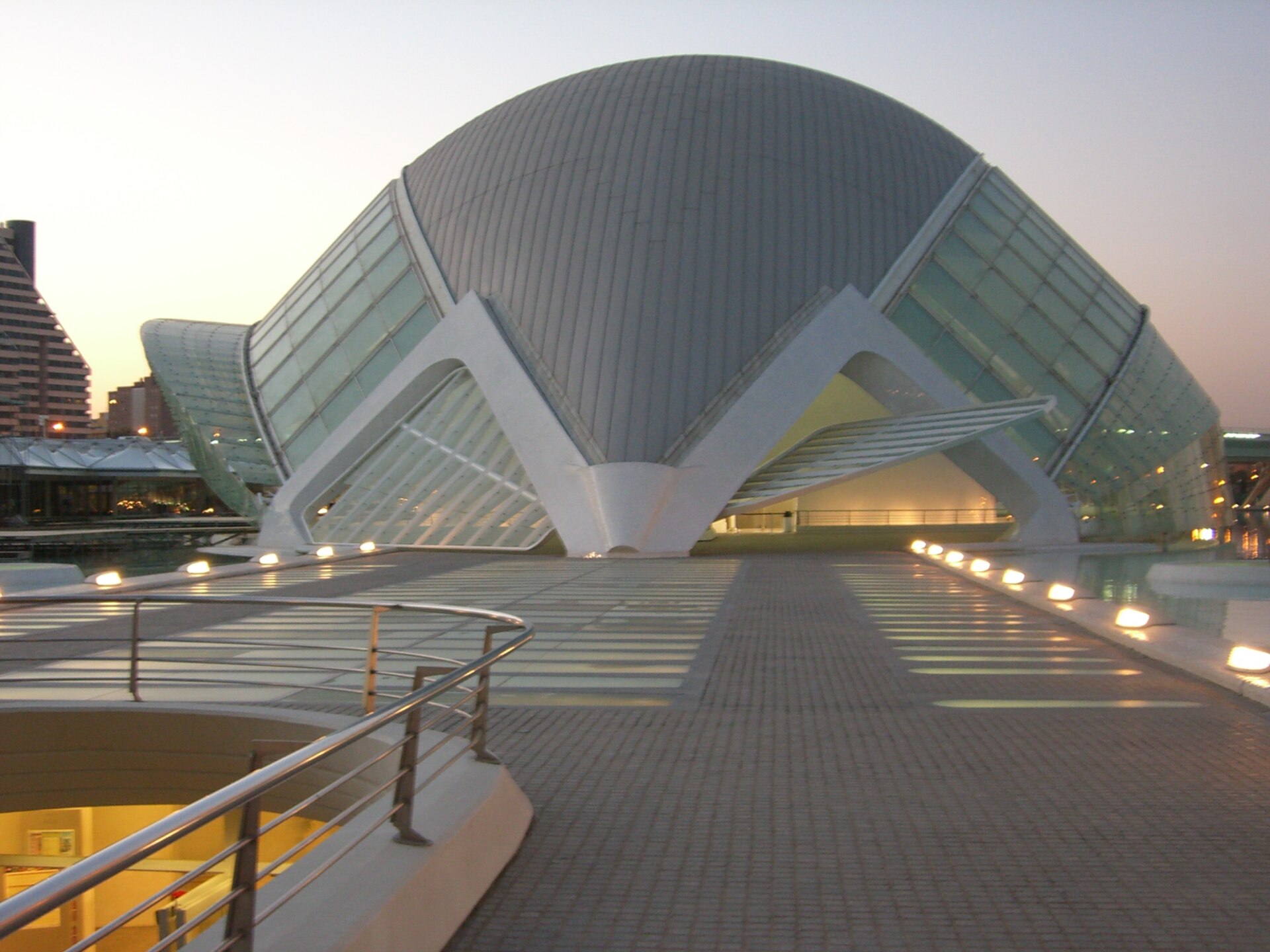
Rising from the drained bed of the old Turia River, the City of Arts and Sciences is Santiago Calatrava's monumental vision brought to life in white concrete and glass. This sprawling cultural campus stretches across two kilometers and houses five distinct venues, each designed to mimic shapes found in nature. The Oceanogràfic, shaped like a water lily, holds over 45,000 marine creatures from 500 species across habitats ranging from Arctic waters to tropical reefs. The Hemisfèric, a massive human eye reflecting in its surrounding pool, projects IMAX films and laser shows onto a concave 900-square-meter screen. The Príncipe Felipe Science Museum — three stories of hands-on exhibits beneath a skeleton-like roof — draws families and curious minds year-round. Combine this stop with the full Valencia guide and explore more destinations across Spain.
Engineering Facts
Oceanogràfic underwater tunnels: Walk beneath sharks and rays in the longest underwater glass corridor in Europe. Hemisfèric immersive films: The concave screen wraps around your field of vision for a truly engulfing cinematic experience. Foucault Pendulum: Watch the massive pendulum in the Science Museum prove Earth's rotation in real time. Sunset reflections: The white buildings mirrored in still water pools create Valencia's most iconic photo opportunity. Calatrava's bridge: Cross the Assut de l'Or bridge, a 125-meter single-pylon cable-stayed marvel connecting the complex. L'Umbracle gardens: Stroll through this open-air botanical walkway lined with native Mediterranean plants and contemporary sculptures
When to Visit
General hours: Daily 10:00 AM - 7:00 PM (extended to 9:00 PM in July and August). Oceanogràfic: Opens at 10:00 AM, last entry varies by season — check their calendar. Hemisfèric screenings: Typically start at 11:00 AM with shows every hour until closing. Best time to visit: Weekday mornings before noon, when school groups are fewer and you can photograph the buildings without crowds. Sunset bonus: The reflecting pools create stunning mirror images of the buildings at golden hour — plan to be outside around 6-7 PM
Admission and Costs
Wear comfortable shoes: The complex covers over two kilometers end to end, and surfaces are hard on feet. Bring sunscreen and water: White surfaces amplify sun reflection — there's minimal shade between buildings. Start at the far end: Most visitors enter from the Hemisfèric side; begin at the Oceanogràfic and work backward against the flow. Free exterior access: You can explore the grounds, pools, and L'Umbracle gardens without any ticket at all. Parking is ample: Underground garage beneath the complex charges roughly €3 per hour, with entrances well-marked on Av. Autopista del Saler. Combine with Turia Gardens: Walk the old riverbed park northward toward the city center for a car-free route past playgrounds, sports fields, and Gulliver Park
Tips for Visitors
Architectural storytelling: A guide reveals how Calatrava translated bone structures and plant forms into concrete — details invisible to the untrained eye. Efficient routing: The complex is enormous and disorienting; guides map the perfect path so you cover every highlight without doubling back. Behind the controversy: Local guides share the fascinating and contentious story of the project's cost overruns, structural failures, and political drama. Science Museum navigation: Three floors of interactive exhibits can overwhelm — guides know which installations are worth your time. Photography spots: Guides position you at the angles where the buildings' reflections create perfect symmetry in the pools