
Major City
🇪🇸 Tour Guides in Valencia
City of Arts and Sciences, historic silk trade & the birthplace of paella
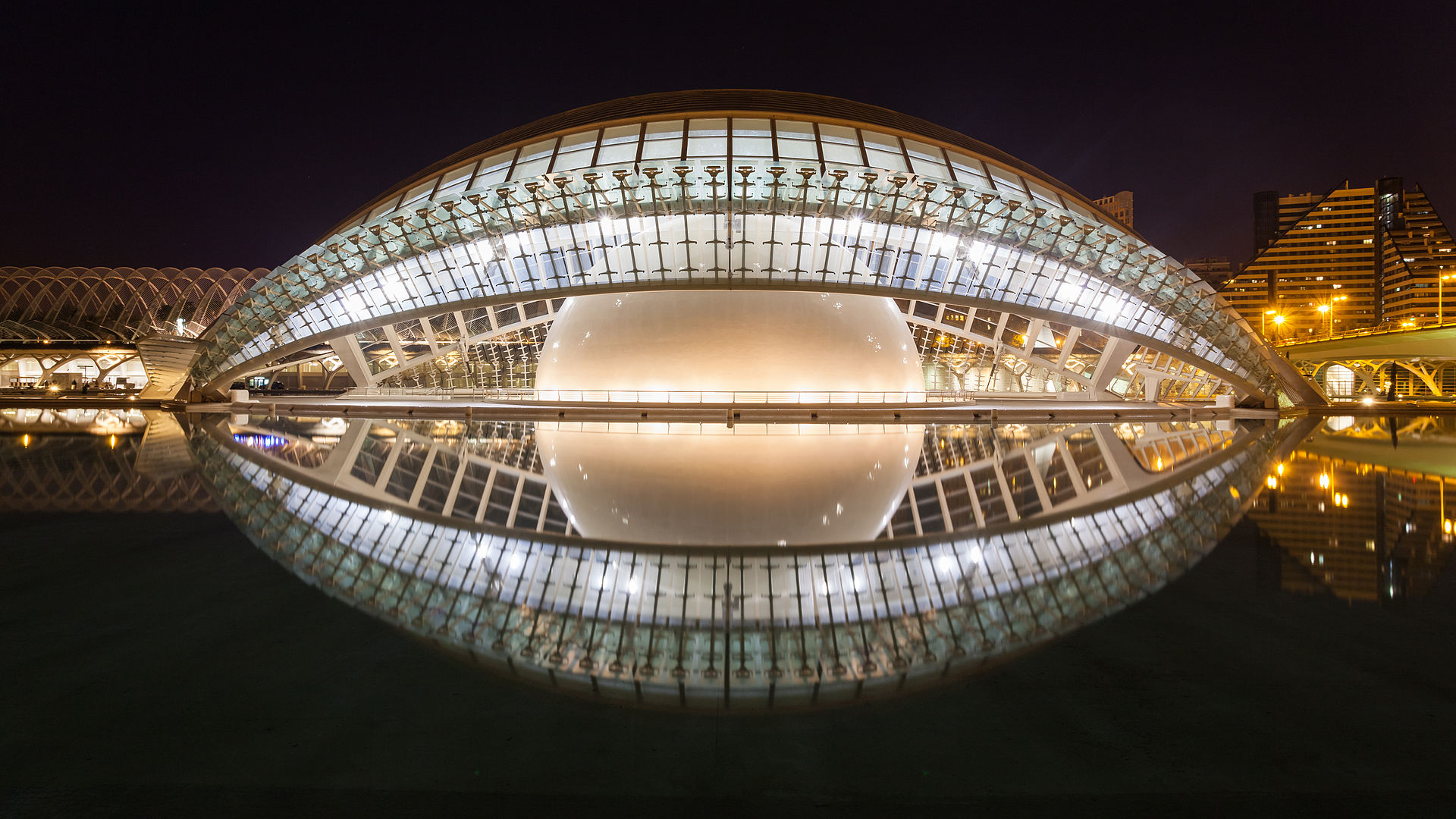

What makes Valencia a top destination?
Valencia, Spain's third-largest city, sits where the Turia River meets the Mediterranean coast. Once a mighty trading port that dominated the silk and spice routes, the city has reinvented itself as a hub of futuristic architecture, culinary tradition, and green urban living. The old riverbed, drained after devastating floods in 1957, was transformed into the Turia Gardens — a nine-kilometer ribbon of parks, playgrounds, and cycling paths that threads through the heart of the city and culminates at the extraordinary City of Arts and Sciences. Valencia is where paella was born, where Las Fallas sets the streets ablaze each March, and where Santiago Calatrava's soaring white structures rise from reflecting pools like something from a science-fiction film. With a compact historic center, excellent public transport, and far fewer crowds than Madrid or Barcelona, it rewards visitors who explore beyond the obvious. A knowledgeable local guide connects the medieval grandeur of the Silk Exchange to the avant-garde energy of the Ruzafa quarter, and helps you navigate the broader treasures of Spain.
What should you see in Valencia?
- City of Arts and Sciences at sunset — Calatrava's white structures glow pink and gold as they reflect in the surrounding pools
- La Lonja's Columned Hall — Spiraling stone columns rise like palm trees in this masterpiece of late Gothic architecture
- Central Market tasting tour — Sample Valencian olive oil, cured tuna, tigernuts for horchata, and seasonal citrus
- Turia Gardens bike ride — Cycle the full length of the former riverbed from Cabecera Park to the oceanfront
- Las Fallas mascletà — The daily 2 PM pyrotechnic display in Plaza del Ayuntamiento shakes the ground beneath your feet
- Authentic paella in El Palmar — Ride out to the Albufera lagoon where rice farming and paella tradition began
- Malvarrosa Beach and the port — Stroll the promenade where Sorolla painted his luminous seaside canvases
🛒 Central Market
Taste your way through 1,000+ stalls in a stunning Art Nouveau landmark | Free entry, daily tips
🌉 City of Arts and Sciences
Navigate Calatrava's futuristic complex with expert guidance | Tickets, hours & insider tips
🏛️ La Lonja de la Seda
Unlock the secrets of Valencia's UNESCO Gothic masterpiece | Prices, hours & guided tours
What does a tour guide cost in Valencia?
Valencia's guide scene is more personal and less commercialized than in larger Spanish cities. Here's what to look for:
When should you visit Valencia?
- March: Las Fallas transforms the city with giant sculptures, fireworks, and street parties — book guides months ahead
- April-May: Warm Mediterranean weather, blooming Turia Gardens, and manageable visitor numbers
- September-October: Sea temperatures still warm enough for swimming, grape harvest season in nearby Utiel-Requena vineyards
- Avoid: Late July and August when temperatures regularly exceed 35°C and humidity is at its peak
What is the best way to get around Valencia?
- Valencia is walkable — The old town, Central Market, and Cathedral are all within a compact area — guides keep the pace comfortable
- Reserve paella at lunch — Valencians eat paella as a midday meal, never at dinner — a good guide books the right restaurants
- Bring sun protection — Even in spring, Mediterranean sun is intense — guides plan shaded routes and indoor breaks
- Tipping customs — €5-10 for private guides is appreciated; €2-3 per person is standard for group tours
- Valencian vs
- Spanish — Street signs are in Valencian (a variant of Catalan) — guides help decode local place names and customs
- Horchata breaks — Ask your guide to stop at a traditional horchatería for this refreshing tigernut drink served with fartons pastries
Frequently Asked Questions
What is the best time to visit Valencia?
March: Las Fallas transforms the city with giant sculptures, fireworks, and street parties — book guides months ahead.
How much does a tour guide cost in Valencia?
Valencia's guide scene is more personal and less commercialized than in larger Spanish cities. Here's what to look for:
How do you get around Valencia?
Valencia is walkable: The old town, Central Market, and Cathedral are all within a compact area — guides keep the pace comfortable.