

Overview
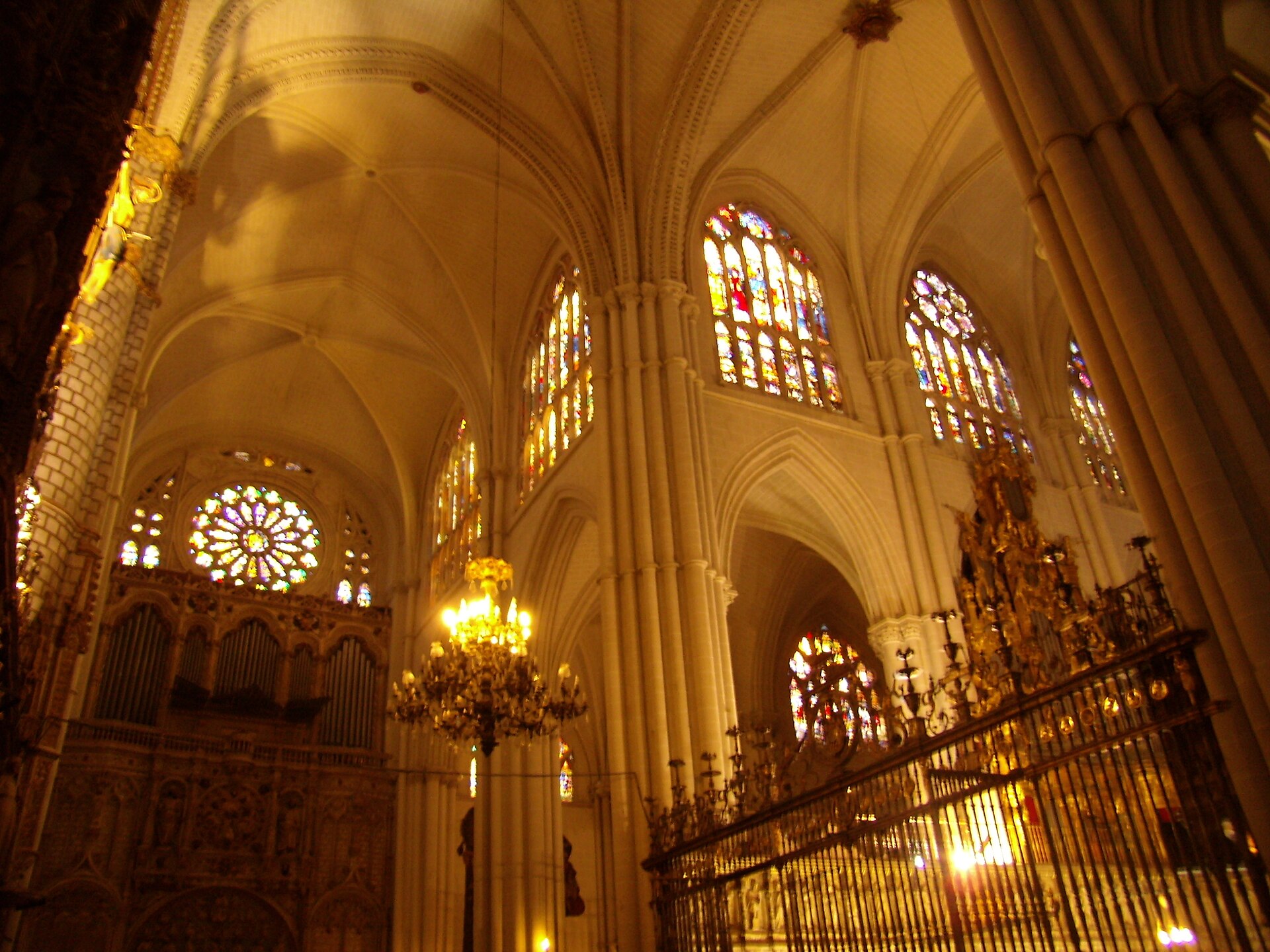
Rising above the narrow medieval streets of Toledo, the Catedral Primada Santa María is one of the most important Gothic structures ever built in Spain. Construction began in 1226 under King Ferdinand III and continued for more than two and a half centuries, resulting in a layered masterpiece that blends High Gothic architecture with Mudéjar influences unique to the Iberian Peninsula. The interior shelters an extraordinary art collection anchored by El Greco's emotionally charged The Disrobing of Christ, while the Transparente -- a Baroque altarpiece engineered by Narciso Tomé in the 1730s -- uses a hidden skylight to drench the sanctuary in golden light, creating one of the most dramatic visual experiences in any European cathedral.
Visitor Etiquette
Art history depth: The cathedral contains works by El Greco, Goya, Caravaggio, and Titian -- a guide connects these pieces to their historical moment. Architectural storytelling: Mudéjar ceilings, French Gothic vaulting, and Baroque additions coexist here; without context, it can feel overwhelming. Hidden details: Guides point out carvings, inscriptions, and choir stall scenes that most visitors walk past. Transparente timing: A knowledgeable guide will position you at the right angle when sunlight pours through the vault opening. Efficient routing: The cathedral has over 20 chapels; a guide ensures you see the highlights without backtracking
Spiritual Significance
El Greco's Sacristy: Stand before The Disrobing of Christ and trace the artist's bold use of color that scandalized the clergy who commissioned it. The Transparente: Watch natural light cascade through the carved oculus above the main altar, a feat of Baroque theatrical engineering. Choir stalls: Study the lower stalls depicting the conquest of Granada, carved in walnut with astonishing narrative detail. Bell tower climb: Ascend for sweeping views over Toledo's rooftops and the Tagus River valley far below. Chapter House: Admire Mudéjar ceilings and frescoes that reflect the cultural crosscurrents of medieval Toledo. Monstrance of Arfe: Marvel at the towering gilded silver monstrance, paraded through Toledo's streets during Corpus Christi
When to Visit
Monday to Saturday: 10:00 AM - 6:30 PM. Sunday: 2:00 PM - 6:30 PM (mornings reserved for worship). Best time to visit: Early weekday mornings just after opening, when tour groups have not yet arrived. Peak season: March through October sees the highest visitor numbers; winter months offer a more contemplative experience
Admission and Costs
General admission: €10 (cathedral, cloister, and treasury). Combined ticket with bell tower: €15. Guided group tour: €18-€25 per person (1.5-2 hours, includes priority entry). Private guided tour: €25-€30 per person for small groups with a dedicated art historian. Pulsera Turística (tourist bracelet): Multi-monument pass covering the cathedral and several other Toledo landmarks at a discounted rate
Tips for Visitors
Dress modestly: Shoulders and knees should be covered as this is an active place of worship. Photography: Permitted without flash; tripods and selfie sticks are not allowed inside. Sunday mornings: The cathedral is closed to tourists for Mass until 2 PM, so plan accordingly. Combine visits: The Jewish Quarter and Monastery of San Juan de los Reyes are a short walk away. Audio guide: Available in multiple languages at the entrance if you prefer a self-paced visit. Arrive via Zocodover: Walking from the Plaza de Zocodover through the old town sets the scene beautifully